Art collecting
How to Protect Paintings From Sunlight
A practical guide to placing and caring for paintings so light remains part of the pleasure, not a source of avoidable damage.
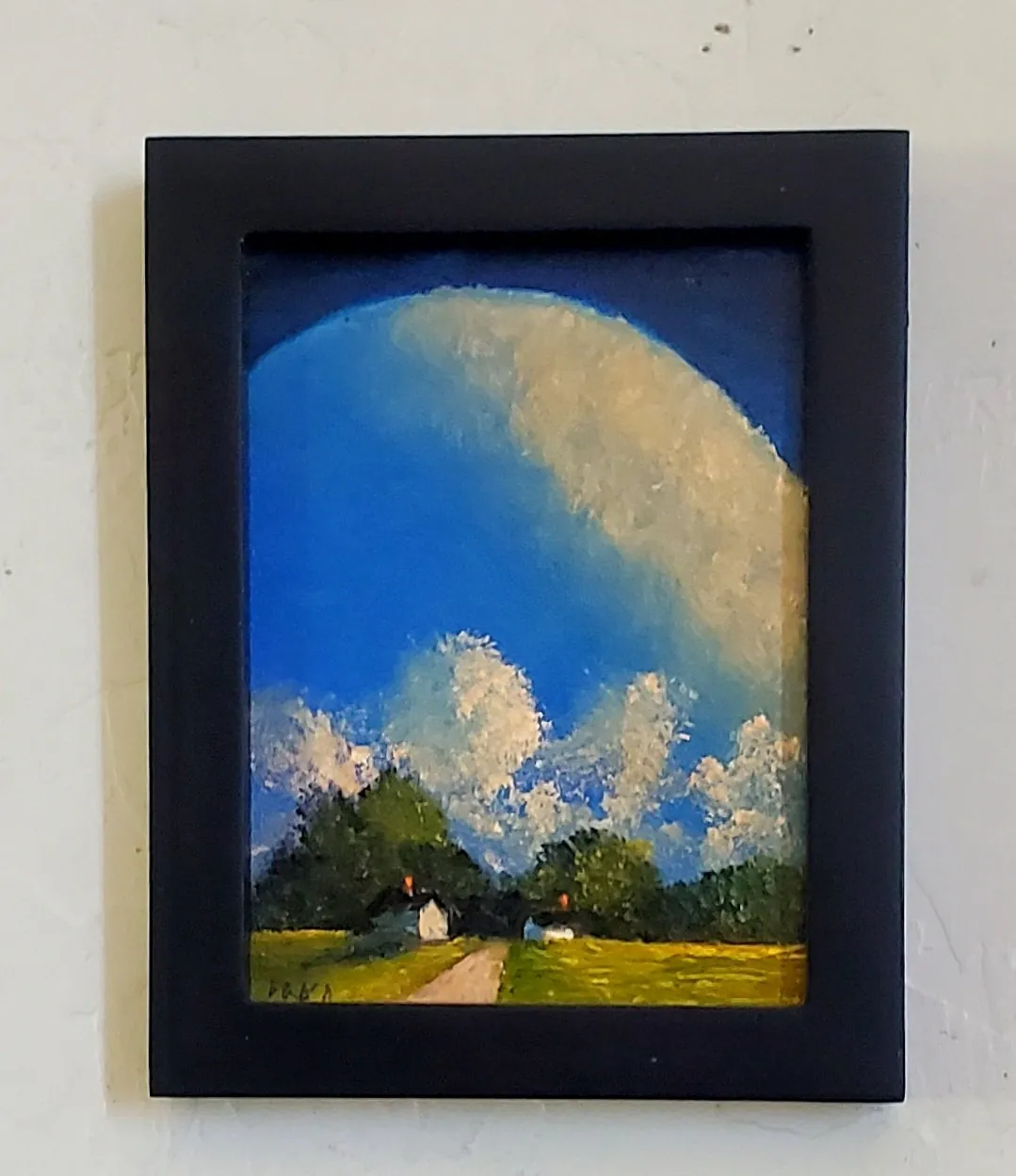
Light is part of what makes a painting feel alive at home. It changes a watercolor through the day, catches the surface of an oil painting, and turns a familiar work into something slightly new. The goal is not to hide art away. It is to give it a place where it can be enjoyed often without asking it to endure the strongest conditions in the room.
Sunlight is one of the main things to notice before choosing a wall. A few simple habits around placement, window coverings, framing, and room conditions can protect paintings from sunlight while still keeping them close to daily life. Start with the light you actually have, then make a few calm adjustments before damage has a chance to become part of the story.
1. Learn where direct sun travels in your room
Before hanging a painting near a window, watch the wall at more than one time of day. Morning sun can reach a different place than afternoon sun, and seasonal changes can shift the path farther across the room. A wall that looks safely shaded during one visit may receive a bright rectangle of direct light for several hours later in the day.
Direct sun is the condition to avoid. The warmth and intensity can fade color and age materials faster than gentle room light. Choose a wall beside a window rather than opposite it, or place the painting where a doorway, bookcase, or return wall keeps the strongest beam from landing on it. The Smithsonian's collection-care guidance also recommends protecting valued objects from strong light, heat, and changing humidity.
Do not judge the room only by whether it feels sunny. Think about whether the same patch of sun lands directly on the artwork. A bright room can be a good home for art. A painting sitting in the path of repeated direct sun needs another spot or some help from the window.
2. Soften the light instead of closing the room off
Window treatments are often the easiest way to reduce the strongest light without making a room feel dark. Sheer curtains, blinds, shades, or UV-filtering film can soften a harsh beam while preserving the daylight that makes a room pleasant. The most useful choice is the one you will actually use during the bright part of the day.
Try a simple test before changing anything permanent. Hang a sheet of paper where the painting would go, then check it at the time when the room is brightest. If the paper is struck by direct sun, shift the proposed placement or use a shade. This small rehearsal gives you a more useful answer than trying to judge the light from a photograph.
It is also reasonable to change the room with the season. A south- or west-facing window may need more cover in summer, while lower winter light may be less direct on the wall. Care does not need to become a daily ritual. It just needs to match the way your home actually receives light.
3. Match the frame to the medium
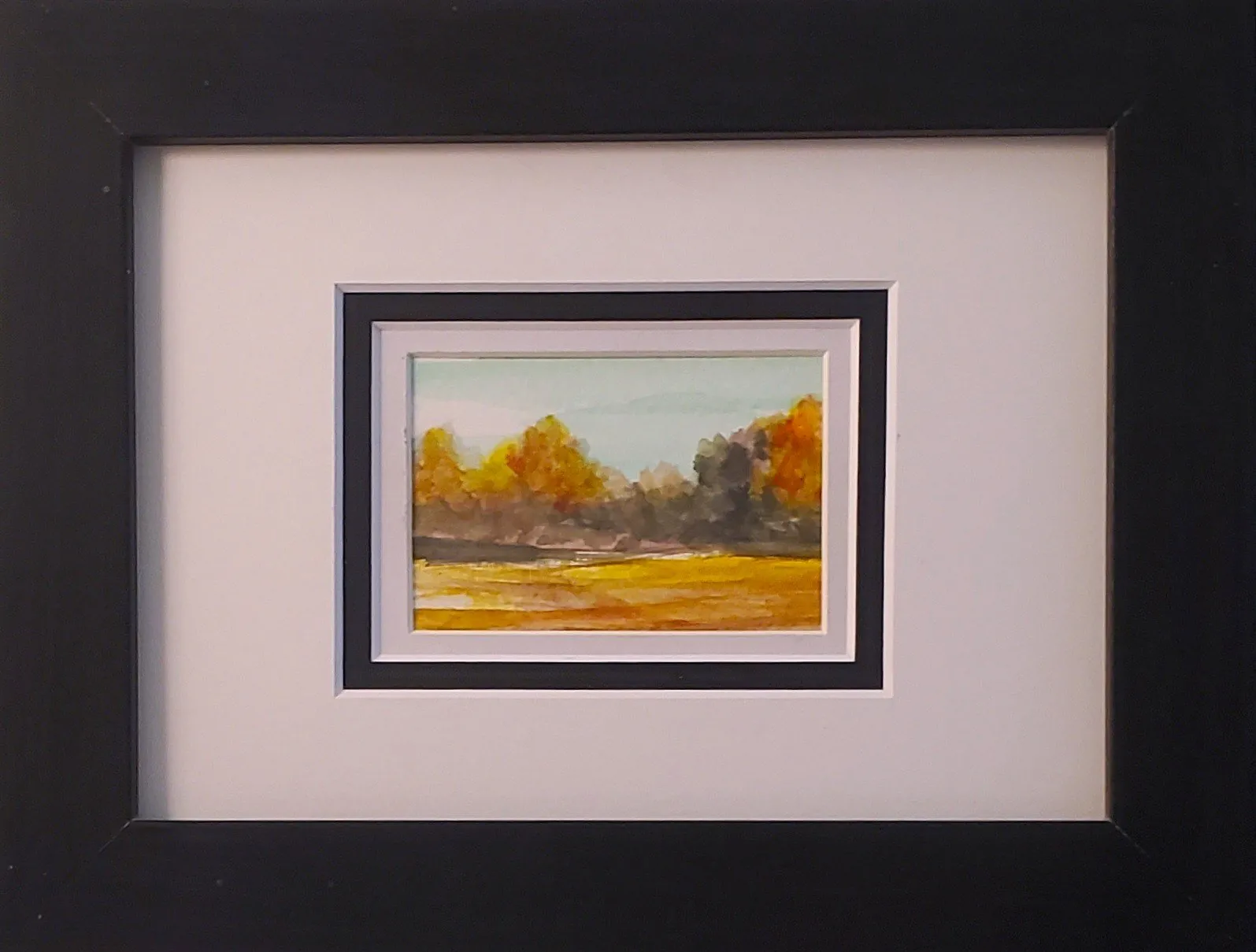
Framing gives a painting protection as well as presence. Watercolors and other works on paper are commonly shown behind glazing, with a mat or spacer so the artwork does not rest against the glass. That separation matters because paper and paint should not be pressed against a surface that can collect condensation or stick over time.
Ask a professional framer about UV-filtering glazing when a work on paper will live in a bright area. It is not a license to place art in direct sun, but it can add a useful layer of protection in a normally lit room. If you are choosing between two walls, a well-framed watercolor still belongs on the wall with gentler light.
Oil paintings need a different approach. They are usually displayed without glass, because their painted surfaces need air and a traditional frame offers protection around the edges. Keep them clear of places where people, doors, or furniture regularly brush past them. For either medium, use hanging hardware that holds the frame securely and leaves the work sitting level against the wall.
4. Keep art out of heat, steam, and splatter
Sunlight is not the only reason a wall may be unsuitable. Bathrooms, laundry rooms, and spots directly above a radiator tend to have more steam, heat, or sudden changes in humidity. Kitchens can introduce grease and airborne residue. These conditions do not mean art can never enter those spaces, but they are poor choices for a painting you want to keep in excellent condition for years.
A stable interior wall in a bedroom, living room, hallway, or home office is usually a better bet. Keep the frame a little clear of vents and avoid an exterior wall that feels noticeably damp or cold. The aim is simple: give the work an ordinary, comfortable room rather than a spot that runs hot, wet, or unpredictable.
This does not make art fragile or fussy. Original work is meant to be seen. Good care simply avoids asking it to perform in the most punishing part of the house when another wall will let it look its best with less effort.
5. Make cleaning and handling gentle
Dust is normal. When it gathers on a frame, use a clean, soft, dry brush or microfiber cloth on the frame itself. Do not spray cleaner near the painting, and do not wipe the painted surface with a cloth. Water, household products, and vigorous rubbing can do more harm than the dust you are trying to remove.
When moving a painting, hold the frame with clean, dry hands from both sides. Avoid lifting it by a wire, and do not stack paintings face to face. If a work needs to travel, place a clean barrier between it and other objects, keep the surface from touching anything abrasive, and protect corners from knocks.
If you notice flaking paint, a loose canvas, mold, water staining, or a frame that has become unstable, pause before attempting a repair. A qualified conservator or framer can advise on the right next step. The careful choice is often to leave a small problem untouched until someone who works with the material can see it.
6. Rotate a favorite work when the room is very bright
Some paintings become part of a daily ritual, and it is natural to want them in the room you use most. When that room is especially bright, occasional rotation can spread out their exposure. Move a favorite work to a gentler wall for a season and bring another piece into its place. You get a new view, and the painting gets a rest from the brightest location.
Rotation is especially useful for small paintings. A miniature watercolor can move from a reading corner to a hallway, a desk, or a shelf without requiring a whole room to change around it. The guide to displaying small paintings offers a few ways to make those close-up locations feel intentional.
Take a quick photo before you move anything. It helps you remember what worked, and it makes it easier to choose the next location with the room's balance in mind. Art can live in more than one place over time. That flexibility is part of the pleasure of a growing collection.
7. Choose with the room's real conditions in mind
It is tempting to find the painting first and the wall later. There is nothing wrong with that, especially when a work keeps calling you back. But before you decide where it will live, take a few minutes to check the light, temperature, and nearby activity in the room. You will enjoy the piece more when you know it has a place that suits it.
For a watercolor, look for a spot with soft daylight, sensible framing, and no direct sun. For an oil painting, look for a stable wall away from heat and accidental bumps. For any original, choose the places you naturally pause: a corner near a chair, the end of a hall, a wall you see during a morning routine. These are often better locations than the largest blank wall.
When you are still choosing, the guide to choosing art for your home can help you test scale and placement before the frame goes up. Clear dimensions, a good look at the light, and a little patience are enough to make the choice feel settled.
A simple check before you hang
Use this short check when you are deciding between walls. It does not need special equipment, and it gives you a practical way to turn a good-looking spot into a good long-term spot.
- Check the wall in the morning and late afternoon. Look for a direct beam of sun, not just a bright room.
- Stand where you normally sit or walk into the room. The best place is often a wall that is easy to notice at close range.
- Keep the frame away from radiators, vents, fireplaces, damp exterior walls, and the steam of a bathroom or laundry room.
- For watercolor or another work on paper, confirm that the mat keeps the artwork clear of its glazing.
- Use two secure picture hooks or another hanging method that keeps the frame level and reduces the chance of a sideways knock.
- Keep a shade, curtain, or blind ready for the strongest part of the day when the room receives intense sun.
Once the painting is up, give it a week before deciding whether the location is final. Notice it in the changing light, from the doorway, and during the ordinary moments when you are not trying to evaluate it. A painting can feel different after a few quiet days in the room. That is useful information, not indecision.
For compact original work, this is also a chance to enjoy flexibility. A small painting can be moved without turning the whole room upside down. Try it on a shelf for a while, then on a close-up wall or beside a favorite chair. The best location is not the most formal one. It is the place where the work stays protected and keeps giving you a reason to look.
Keep a short note of what you notice. Does the light make the color feel richer at a particular hour? Does the painting disappear behind a lamp, plant, or open door? Does the frame sit comfortably with the other objects in the room? Small observations make later choices easier, especially when you begin adding more work. They also help you see that protecting art is not separate from enjoying it. The same attention that keeps a painting out of harsh sun can help you give it a more satisfying place in your home.
A close look
Original work for the places you notice every day.
Fred3 Mini Art offers original miniature paintings shaped by land, water, color, and imagined space. Explore the available work, see the watercolor collection, or contact Fred with a question before choosing.
Browse available workQuestions
Painting care FAQ
Can I hang a painting near a window?
Yes, when the painting is not in direct sun and the light is softened with a shade, curtain, blind, or UV-filtering window treatment. Check the wall at different times of day, especially in summer, because a room that feels gentle in the morning may receive strong sun later.
Will indirect sunlight damage a painting?
Indirect daylight is gentler than direct sun, but all light adds up over time. A painting can still live happily in a bright room when you choose a wall away from the strongest light, rotate the work occasionally, and use window coverings during the most intense part of the day.
What is the safest room for original art?
Choose a stable, lived-in room away from steam, cooking grease, dampness, and sudden changes in heat or humidity. A bedroom, living room, hallway, or home office is usually a better choice than a bathroom, laundry room, or spot directly above a radiator.
Should paintings be framed behind glass?
Works on paper, including watercolor, are commonly protected by glazing and a mat that keeps the artwork from touching the glass. Oil paintings are usually not placed under glass unless a qualified framer or conservator recommends it for a particular situation.
Keep reading
Related posts
Art Collecting
How to Buy Art for the First Time: A Simple Guide
How to buy art for the first time, with practical steps for choosing a painting, checking size and condition, and confirming delivery.
Read the guide ↗Art Collecting
How to Care for Watercolor Paintings at Home
How to care for watercolor paintings at home, with practical advice on light, framing, cleaning, handling, and safe storage.
Read the guide ↗
Art Collecting
How to Display Small Paintings: 7 Ideas That Work
Seven practical ways to place small paintings with confidence, from a single close-up moment to a more collected grouping.
Read the guide ↗