Art collecting
How to Display Small Paintings: 7 Ideas That Work
Seven practical ways to place small paintings with confidence, from a single close-up moment to a more collected grouping.
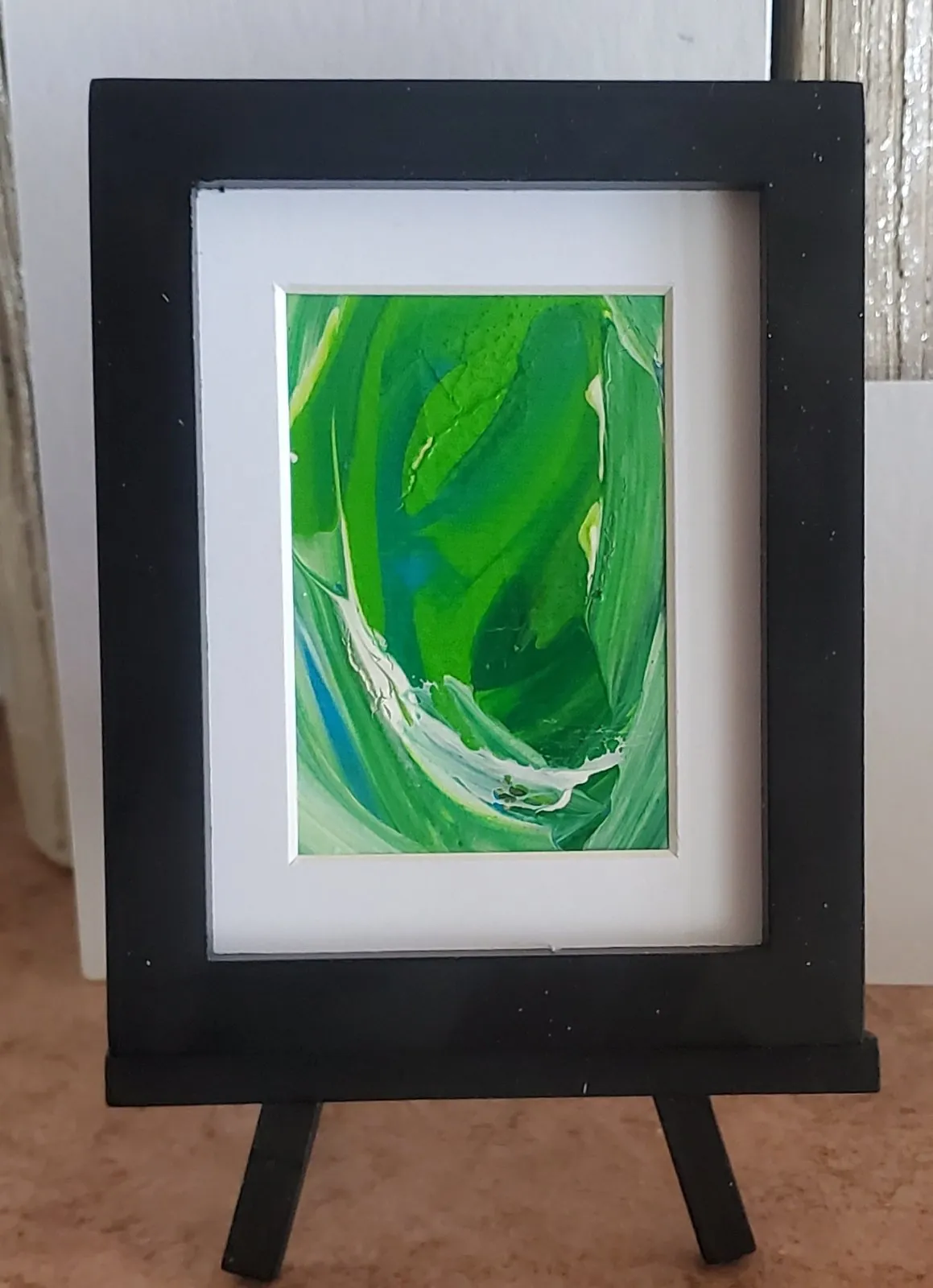
A small painting does not need to disappear into a large room. Its strength is different: it creates a pause, asks for a closer look, and gives an overlooked part of a home something personal to hold. The best display starts with that intimacy instead of trying to make a small work behave like a billboard.
Whether you have one miniature painting or a growing group, the useful question is not how to fill a wall. It is where you will enjoy noticing the work. The answer may be a narrow wall, a shelf, a bedside table, or a cluster of paintings that slowly becomes part of the character of the room.
1. Let one small painting make a close-up moment
Small art is especially good at turning a place you already use into a place you look forward to. Think of the wall beside a reading chair, the space above a small desk, the end of a hallway, or the patch of wall you see when you make coffee. These places do not need a grand gesture. They need something that rewards being nearby.
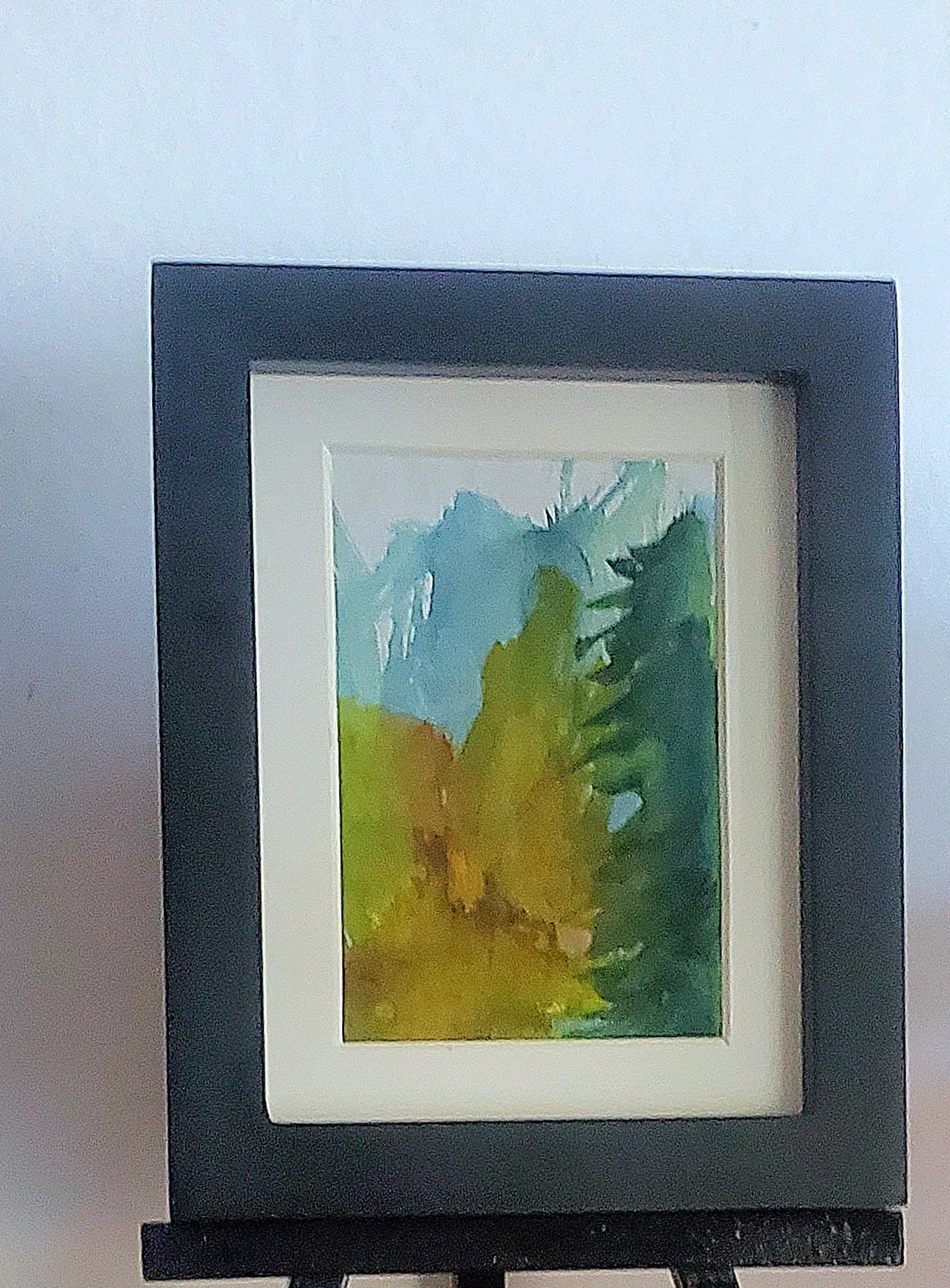
Give the work enough breathing room. A small painting can feel deliberate on its own when it is not crowded by furniture, signs, or a busy collage of objects. The surrounding quiet acts like a mat around the art: it lets the colors, marks, and frame do their job. This is a particularly good approach for the subtle layers in Fred's watercolor collection, where close looking is part of the experience.
2. Start with your natural sightline
Before deciding on a precise height, stand where you will normally enter or use the room. Where does your eye naturally land? That is usually a better guide than a universal measurement. Above a desk or console, the work should feel connected to the furniture. In a stairwell or hall, it should meet the path of someone moving through the space. Beside a chair, it can sit low enough to be part of a seated view.
Use painter's tape or kraft paper to mark the outside dimensions of the framed artwork before you make a hole. This simple rehearsal lets you check the work from the doorway, from the sofa, and up close. It also helps you notice whether a nearby lamp, outlet, or tall plant is competing for attention. Most display decisions improve when you look at them from the way you actually live in the room.
In a group, look for a shared center rather than forcing every frame to sit at exactly the same height. That small adjustment keeps different-sized works from feeling like they are marching across the wall. The purpose is visual ease, not perfect geometry.
3. Use a narrow wall or awkward corner on purpose
Small paintings are often at their best where a larger work would feel too heavy: between two doors, above a light switch, on a short wall near a window, or tucked beside a bookcase. These are not leftover spaces. They are opportunities for a personal detail that changes as you move around the home.
Designers often use small artworks to make shelves, mantels, and built-ins feel collected rather than merely decorated. Laura Krey's guide to displaying small-scale art shows how a small work can become part of a shelf or stairwell vignette, while Alice Mathew's examples point to kitchens, small walls, mantels, and gallery groupings. The common idea is simple: choose a place that benefits from discovery rather than treating the work as filler.
4. Build a group around one anchor piece
A group of small paintings can feel more generous than one large work, but it needs one clear thread. That thread might be a shared subject, a family of colors, a repeated frame finish, or simply the feeling that every piece belongs in the same conversation. You do not need a matched set. In fact, a little variation usually makes the arrangement feel more lived with.
Start on the floor. Arrange the work, take a photo, walk away, and look again. Put the painting with the strongest color, largest frame, or most personal pull near the center of the group. Build outward from there with consistent gaps. A simple floor layout is useful because it lets you test the relationship between pieces without repeated holes in the wall.
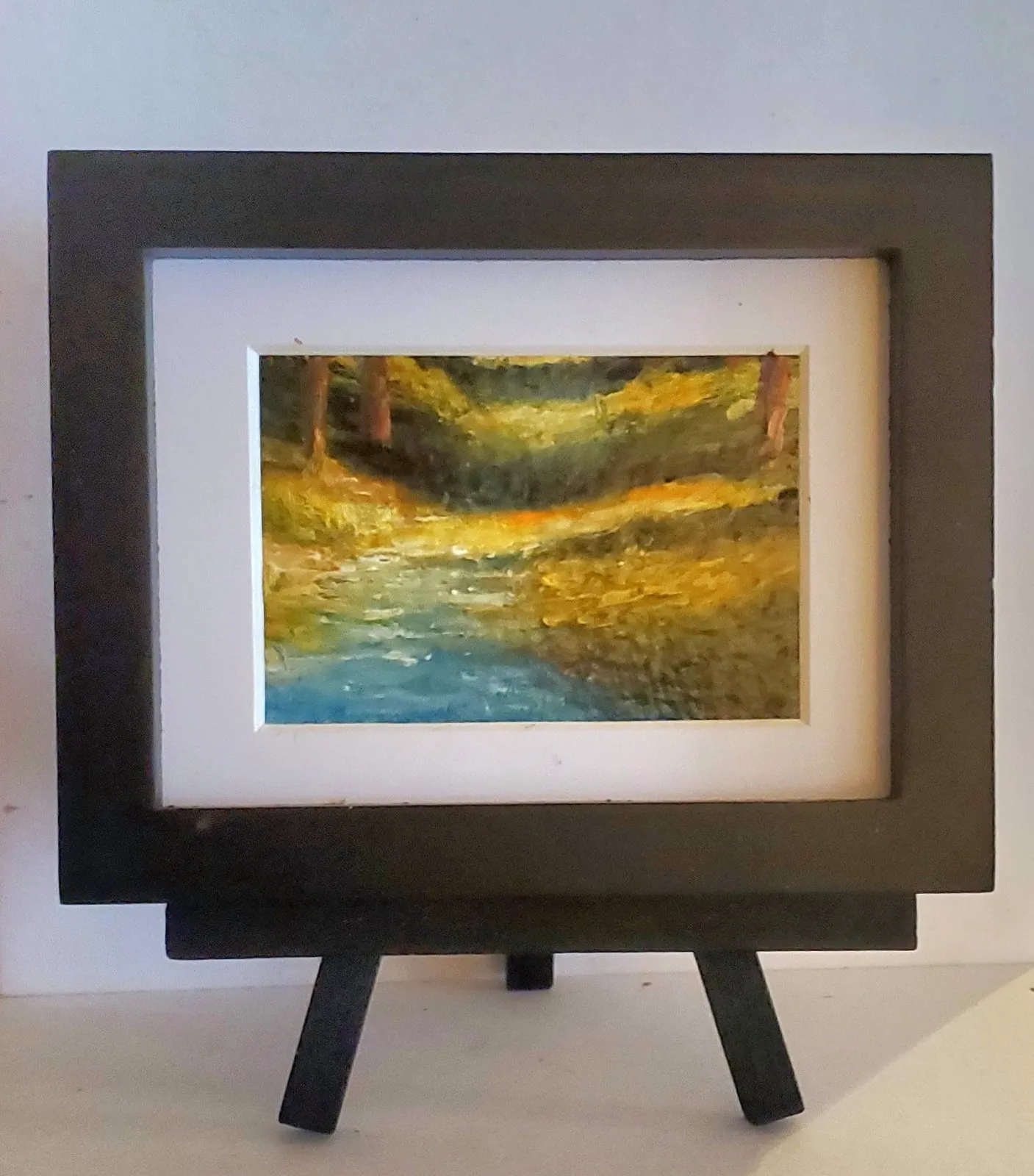
For a compact collection, try a tidy grid. For a more relaxed look, make a loose vertical stack beside a doorway or let a group climb a stairwell. The paintings do not have to match to feel coherent. A landscape from Fred's landscape collection can sit beside a more atmospheric work from Deep Space when the framing, color, or mood gives the pair a reason to be together.
5. Lean a framed piece when you want flexibility
Not every painting has to go on the wall. A small framed work can lean on a shallow shelf, mantel, bookcase, or table, especially when you want to move it seasonally or try a new arrangement before committing. This approach also works in places where hanging is awkward, such as in front of a mirror or against a windowed wall.
Keep the support stable and avoid a place where the frame can be knocked over. On a shelf, let the painting stand slightly behind a low object rather than burying it among too many things. Architectural Digest's guide to leaning art explains why this can be a practical way to rotate a collection and add height to a shelf arrangement without another nail hole.
This is a particularly good way to live with a new purchase. Move it from a bookcase to a desk to a bedside table for a few weeks. The right spot is often obvious once you have seen the work at different times of day and against the colors you already live with.
6. Make the frame part of the composition
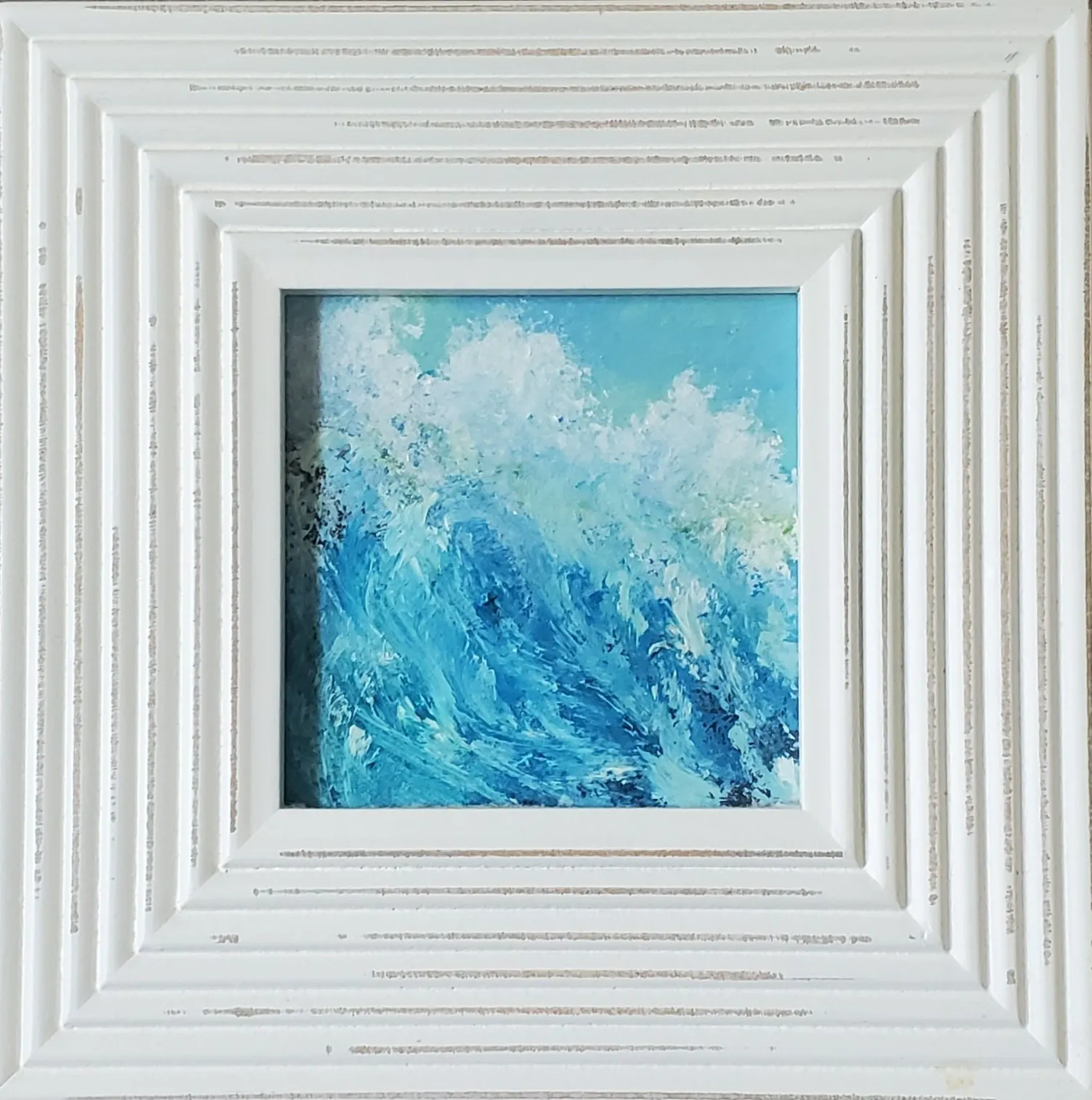
For a miniature painting, the frame has an outsized role. It gives the work a visual edge, protects it, and helps it read from a few steps away. A wider mat can create more calm around a detailed image. A darker or more substantial frame can give a small work enough weight to hold its own above a piece of furniture. A lighter frame can keep the whole look quiet.
There is no single correct proportion. Look at the frame in the room, not just under the gallery lights. If you are choosing a new frame, bring a phone photo of the wall and the nearby furniture to the framer. Ask to see a few options next to the artwork, then step back. The goal is a frame that supports the painting instead of shouting over it.
When pairing several pieces, repeated frame color can create order, but it is not the only option. Repeated mats, similar wood tones, or a shared amount of empty space can do the same job. Let the work lead, and give the collection one or two consistent rules rather than trying to make everything identical.
7. Protect the work while you enjoy it
Choose a location away from direct, harsh sunlight and from places that experience abrupt swings in heat or moisture, such as immediately above a radiator or in a steamy bathroom. The Smithsonian's collection care guidance recommends avoiding light, heat, and humidity extremes when caring for valued objects. If sunlight is unavoidable, ask a professional framer about protective glazing and choose a spot that gets softer light.
Good display is not about treating art as untouchable. It is about letting the work be part of daily life while giving it reasonable care. Dust the frame gently, avoid spraying cleaners near the painting, and use proper hardware when the work is wall-mounted. If you are unsure about a frame, surface, or hanging point, a local framer is worth the quick conversation.
A simple before-you-hang checklist
When a small painting is ready to go up, it is tempting to decide quickly because the work is easy to move. A short pause usually makes the final result better. Begin by looking at the painting from both close up and across the room. A miniature often has a different personality at each distance: the overall color and shape register first, then the small marks, layers, and details become the reason to lean in.
Next, test the wall from the way you will approach it. Does the painting meet you as you enter, or is it better discovered when you sit down? Is the background wall quiet enough for the frame to read clearly? Does nearby furniture create a useful relationship with the work, or make it feel stranded? There are no marks for getting this right. You are looking for a placement that makes the painting feel at home, not merely installed.
- Check the framed dimensions, not only the painted image.
- Use paper or painter's tape to test height and spacing.
- View the layout from the doorway, seated position, and close up.
- For a group, keep one consistent gap between frames.
- Choose secure hanging hardware that suits the wall and frame.
- Keep the painting away from direct sun, steam, and abrupt heat.
If you are building a group over time, leave room for the collection to grow. One small painting can be a complete moment today and the anchor for a future arrangement later. That flexibility is part of the pleasure of collecting miniature work. You can move a piece, change the pairing, or make a quiet corner feel newly yours without starting the whole room over. Let the arrangement gently evolve with the work you continue to love, rather than trying to finish it all at once.
Placement also gives you a useful way to decide among artworks. If you can picture a painting above your desk, beside the chair where you read, or in the small hallway that needs a little life, you are already closer to knowing whether it belongs with you. The practical questions in the first-time art buying guide can help with the next step, from checking dimensions to understanding delivery and returns.
A close look
Small originals, made to live with.
Fred3 Mini Art makes original paintings that turn a close-up wall, shelf, or corner into a place worth noticing. Browse the available work, explore Fred's artist story, or contact Fred with a framing or placement question before you choose.
Browse available workQuestions
Displaying small paintings FAQ
Where should you hang a small painting?
A small painting works best where people naturally come close enough to notice it: beside a reading chair, above a narrow table, on a small wall between openings, in a hallway, or as part of a group. Choose a place that rewards a closer look instead of asking the painting to fill a large blank wall by itself.
Can a small painting hang above a sofa or bed?
Yes. A single small work can create an intentionally quiet focal point above furniture, especially when the room already has visual weight from a headboard, textiles, books, or a substantial lamp. A pair or small group can also work well when one piece would feel too isolated.
Do small paintings need large frames?
Not always, but a wider mat or a frame with some visual presence can help a small painting hold its place on the wall. The right choice depends on the work, the room, and how close viewers will stand. A good framer can show you a few proportions before you decide.
How do you arrange several small paintings together?
Start by laying the group on the floor or tracing each outer frame on paper. Look for a shared thread, such as color, subject, frame finish, or a consistent gap between pieces. Then build the group around one anchor work rather than trying to make every painting equally important.
Keep reading
Related posts
Art Collecting
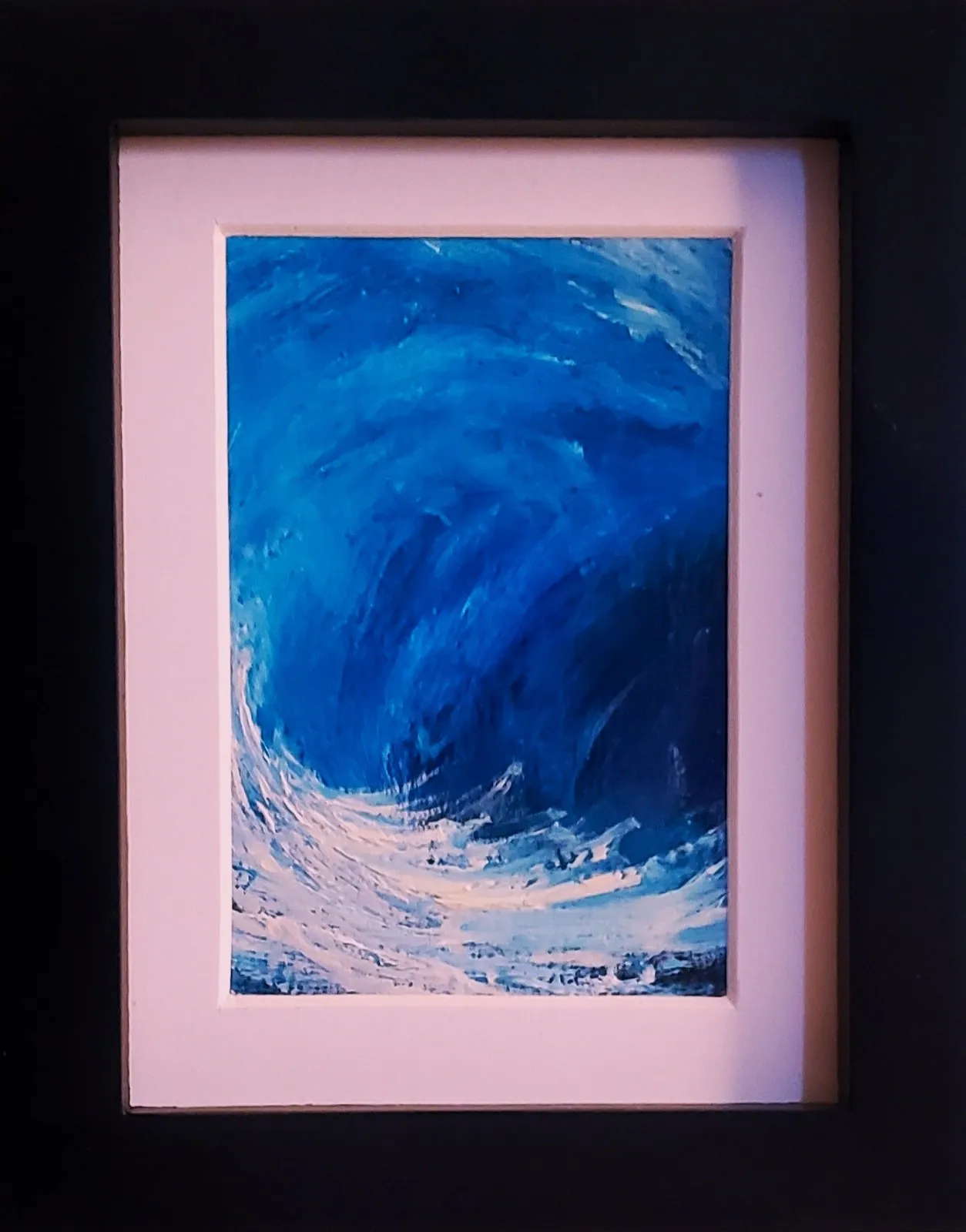
How to Buy Art for the First Time: A Simple Guide
How to buy art for the first time, with practical steps for choosing a painting, checking size and condition, and confirming delivery.
Read the guide ↗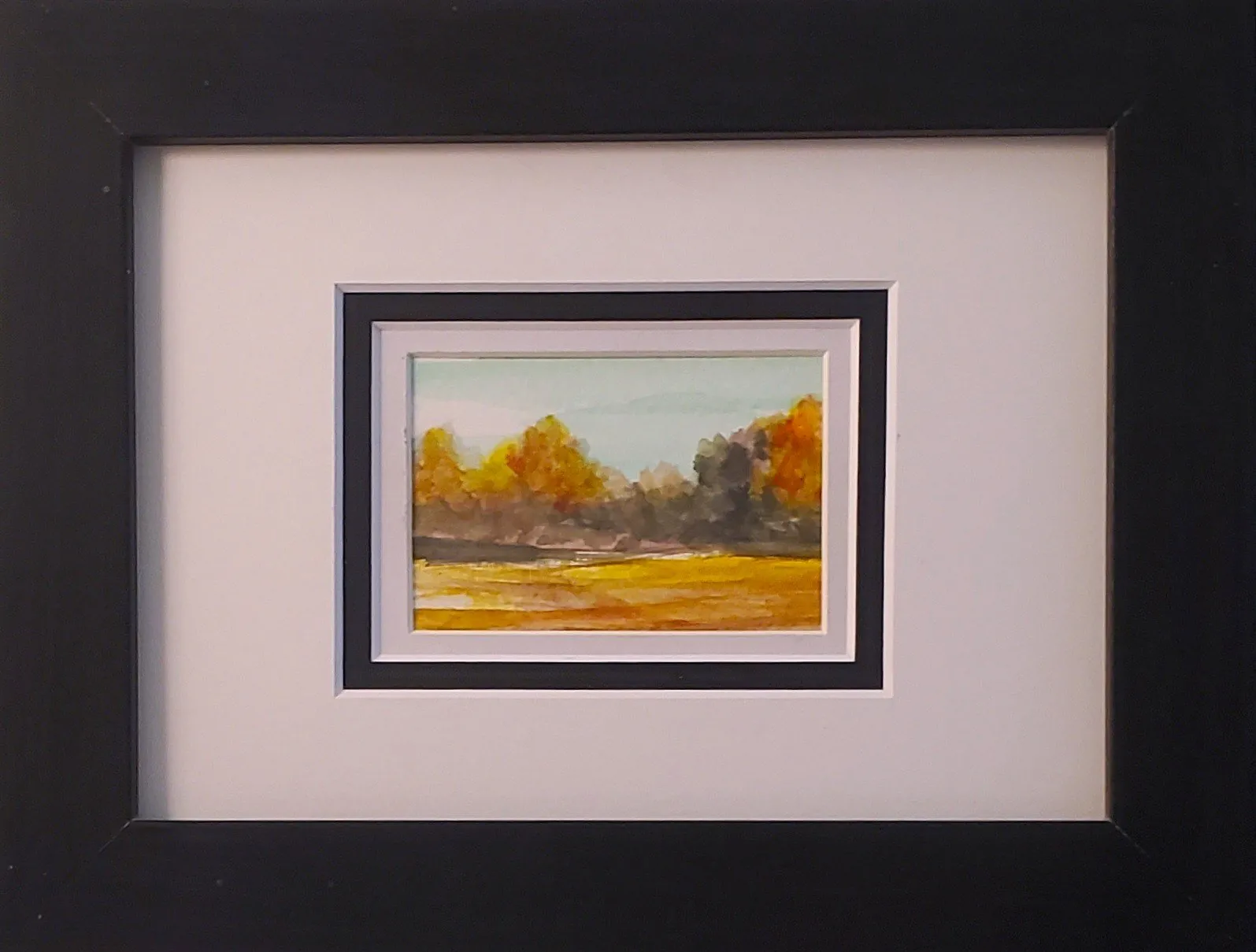
Art Collecting
How to Care for Watercolor Paintings at Home
How to care for watercolor paintings at home, with practical advice on light, framing, cleaning, handling, and safe storage.
Read the guide ↗Art Collecting
How to Start an Art Collection for Beginners
A beginner's guide to starting an art collection, choosing a first piece, setting a budget, and buying original art with confidence.
Read the guide ↗