Art collecting
How to Start an Art Collection for Beginners
A beginner's guide to starting an art collection, choosing a first piece, setting a budget, and buying original art with confidence.
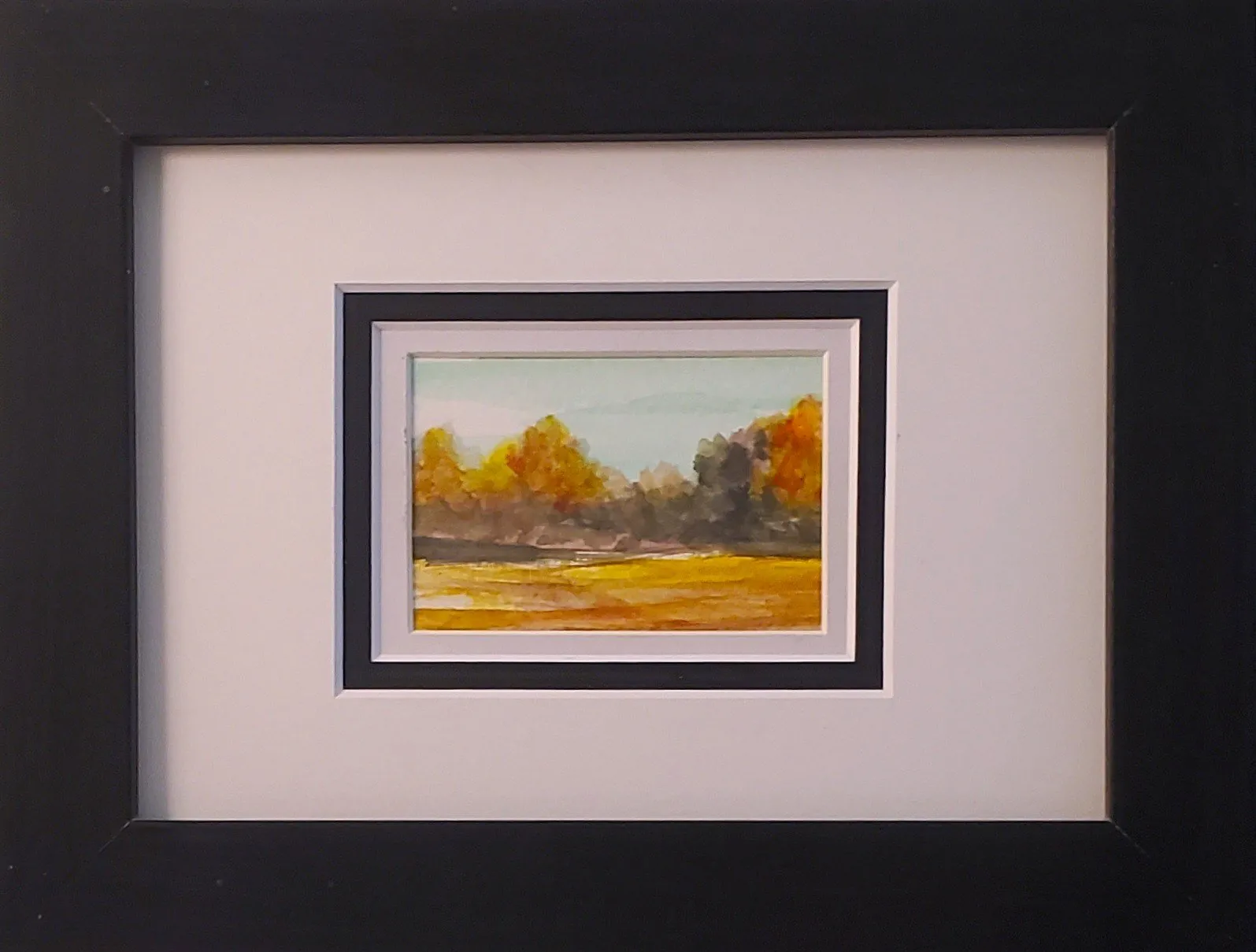
An art collection does not begin when you have enough walls, enough knowledge, or a perfectly formed point of view. It begins when one work makes you pause, and you decide that feeling is worth making room for. The useful goal is not to collect quickly. It is to learn what you want to keep noticing.
That makes a first collection more approachable than it can seem from the outside. You do not need a gallery-sized budget or a plan for every room. You need curiosity, a little patience, and a simple way to make choices that feel settled when the work arrives at home.
1. Begin with what makes you look twice
Start by paying attention before you try to define your taste. Save images that make you linger. Visit local exhibitions when you can. Notice which colors, places, surfaces, and moods stay with you after the first glance. The pattern might be clearer than the label: perhaps you like low horizons, weathered marks, quiet water, or a particular kind of blue.
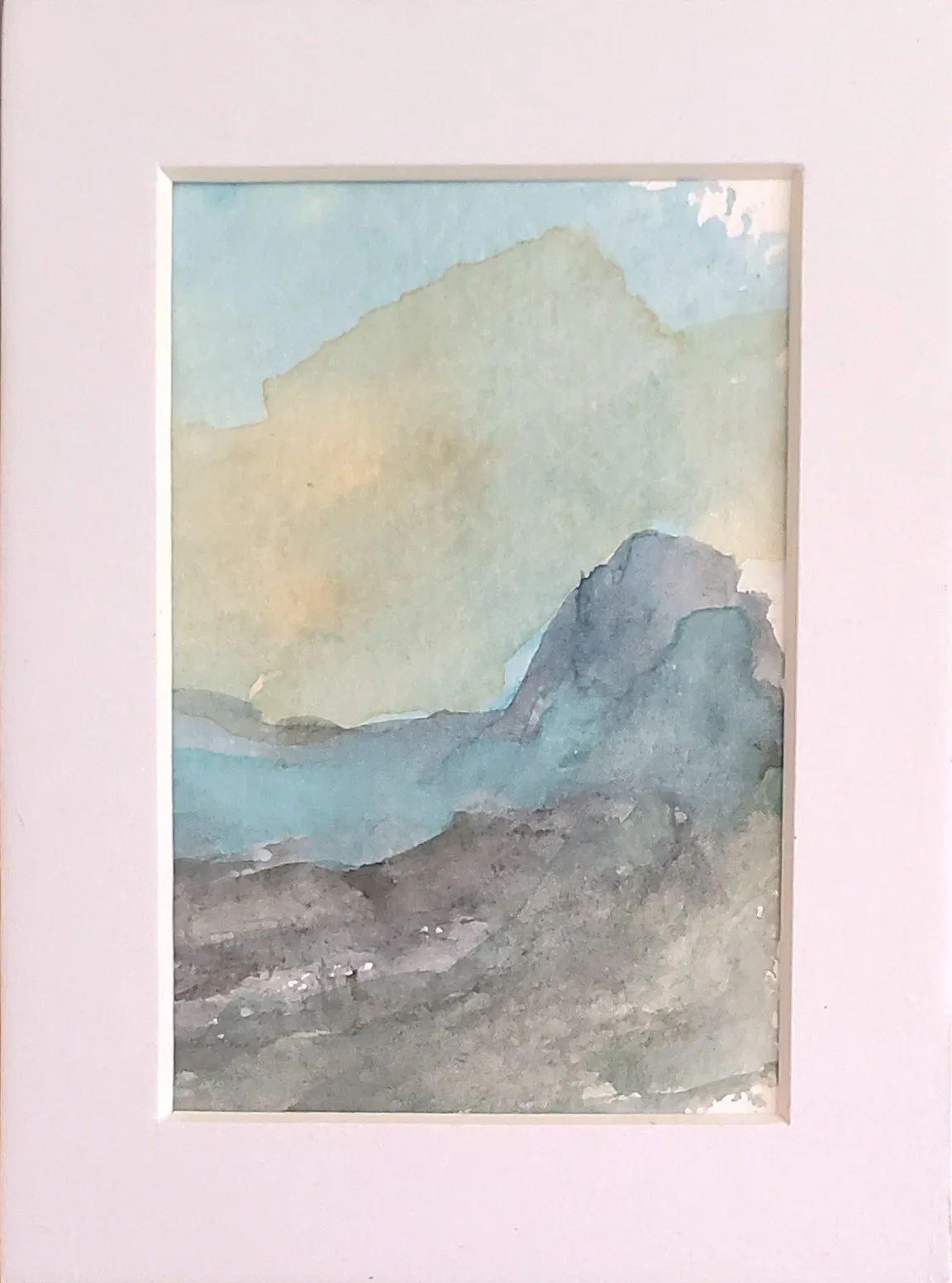
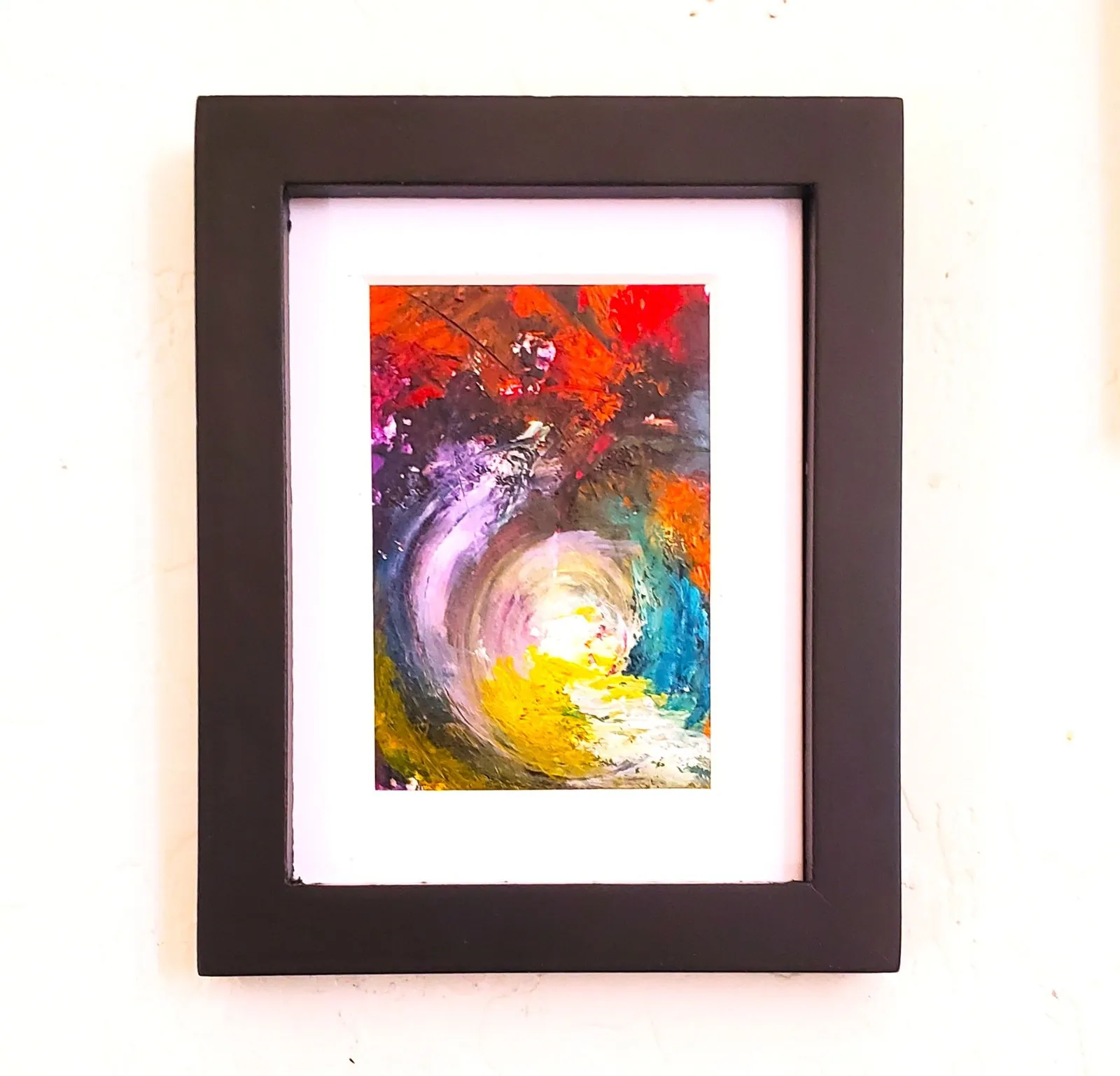
Do not worry if those early choices seem unrelated. A collection can hold landscapes, abstracts, and more imagined work without becoming confused. What matters is that each piece gives you a real response. Fred's landscapes, abstracts, and Deep Space works begin from different subjects, but each invites the same slow, close look.
A useful habit is to keep a small note on your phone with three words beside every image you save. You might write “cool light,” “open space,” or “rough texture.” After a few weeks, read the words instead of the artist names. They reveal the qualities you are actually choosing.
2. Give your collection a first boundary
Beginners often think a collection needs a theme before it can start. In practice, a light boundary is more helpful than a rigid rule. Choose one place to begin: small original paintings, a color family, scenes of water, works on paper, or pieces from artists whose process you want to understand. A boundary keeps browsing from becoming exhausting while leaving room for your eye to develop.
Scale can be an especially generous place to start. Small paintings can live beside a desk, in a hallway, above a shelf, or in a close grouping without asking you to redesign a whole room. They also make it easier to try a new artist or subject without treating the first purchase like a final verdict. The guide to displaying small paintings can help you imagine where that first piece might belong.
3. Decide what you want the work to do in your home
Art does not have to solve a decorating problem, but it does become part of the way a room feels. Ask where you want a little more attention, quiet, energy, or color. A painting near the coffee maker has a different job from one above a bed. One might be a private daily discovery; the other may anchor the room from across the doorway.
Think about your normal sightlines before you think about empty walls. The best place may be a narrow wall, a reading corner, a shelf, or the first space you see when you walk in. If you can picture the work in a real part of your day, you are closer to choosing art you will live with than if you are only comparing thumbnails online.
Use painter's tape or a paper rectangle to test the framed dimensions. Step back, then look from the doorway and from the place where you normally sit. The simple test gives scale a real-world answer. It also keeps a miniature painting from being judged by the wrong standard. Small work is not supposed to dominate a room. It is supposed to reward proximity.
Notice the light at different times of day, too. A piece that feels quiet in the morning may become the small point of color that steadies a room in the evening. That changing relationship is part of the pleasure of living with original art.
4. Set a budget that lets you enjoy the decision
Choose a comfortable range before you browse too deeply. That range should include the whole purchase, not only the listed price. Check whether the piece is framed, what delivery costs, whether tax applies, and how the work will be packed. Clear details do not make the choice less romantic. They make it easier to enjoy once you have made it.
Buying slowly is a strength, not a limitation. A collection becomes more interesting when each addition has a reason to be there. You may start with one watercolor, live with it for a season, then realize that the next piece should bring in a deeper color, a different surface, or a view from another place. There is no prize for filling a wall in a weekend.
For a first original, smaller work can be a thoughtful entry point. It brings the material presence of paint, paper, or board into the home while leaving room for your tastes to change. On the available work page, each artwork links to its current listing with price and purchase details, so you can compare pieces at your own pace.
It can help to divide a first-collection budget into two parts: the money you are comfortable spending on the artwork itself, and a small reserve for the decisions that follow. A frame, a more protective glazing choice, or secure hanging hardware may matter more than you expect, particularly for a small work that will be viewed close up. You do not have to spend every dollar at once. A painting can wait in its current frame while you learn what the room asks for.
Be wary of turning the price into a shortcut for certainty. A higher price does not guarantee that a work will suit your life, and a modestly priced original is not a lesser beginning. The useful comparison is not between your purchase and someone else's collection. It is between the work in front of you and the attention you are prepared to give it over the years ahead.
5. Learn enough about the piece to make the choice yours
When an artwork holds your attention, read beyond the image. Look at the medium, dimensions, framing, condition, and artist's notes. Ask what you can see in the surface that a digital image may not fully show. Watercolor can carry transparent layers and soft edges. Oil can hold a different depth and texture. A print can give you a favorite image in another form. None of these is automatically better. They simply offer different experiences.
It is worth learning a little about the artist as well. Their subjects, materials, and habits of looking can give the work a longer life in your home. Fred's artist story explains the close attention behind his compact landscapes, coastlines, and imagined scenes. That context is not a sales pitch. It is part of understanding the object you are considering.
6. Let the collection grow through connections, not rules
As your collection grows, look for conversations between pieces. A connection can be obvious, such as two works that share a horizon line, or quiet, such as a repeated rust color or a similar amount of empty space around the image. Those connections make a group feel considered even when the artists, subjects, and frames differ.
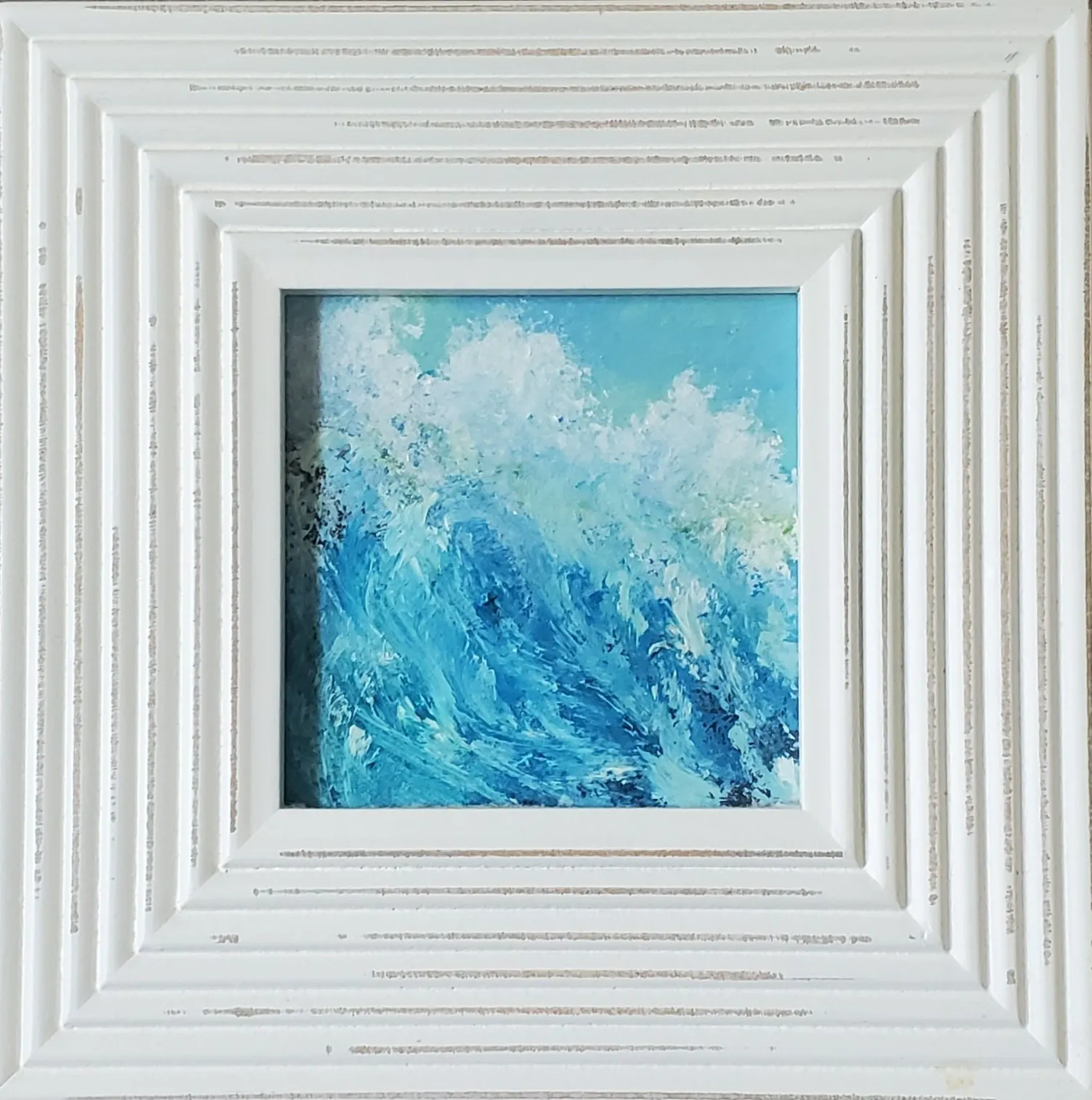
Try arranging future purchases beside photographs of the pieces you already own. You are not looking for a perfect match. You are looking for a reason the new work belongs in the same home. Sometimes the right addition is a contrast that wakes everything else up. A small seascape can make a group of dry desert colors feel more alive, while an abstract may give a row of landscapes a new rhythm.
Keep a short record of what you buy: artist, title, medium, date, dimensions, price, and any note about why you chose it. This is useful for insurance and framing later, but it is also a record of your eye changing. A collection is a conversation over time, and a few honest notes make the conversation easier to remember.
It is also fine to leave an intentional gap between purchases. Living with a new piece teaches you things that browsing cannot. You may notice that you prefer a certain scale in the morning light, that a room wants less color than you expected, or that the story behind one work matters more to you than the subject. Those observations make the next choice more personal and reduce the urge to buy work only because it resembles what you already have.
When you do add another piece, give yourself a small comparison ritual. Look at it beside your existing art, then on its own. Consider it from across the room and close up. Ask whether it adds a new note, repeats something you want to hear again, or simply fills an empty space. The first two are good reasons to buy. The last one is usually a reason to wait.
7. Care for the work so it can stay part of daily life
Once a painting is home, give it a stable place away from direct harsh sun, steam, and abrupt swings in heat or humidity. The Smithsonian's collection-care guidance explains why light, heat, and moisture deserve attention when you live with valued objects. You do not need to treat art as untouchable. You only need to avoid the places that will make its materials work too hard.
Dust the frame gently, avoid spraying cleaners near the artwork, and use hardware suited to the wall and the frame. If you are unsure about a mat, glazing, or a hanging point, a local framer can give useful advice. The aim is simple: let the work be seen often, without asking it to endure unnecessary risk.
A calm way to choose your next piece
Before you buy, return to a simple set of questions. Do I keep coming back to this work? Can I picture it in a real place at home? Do I understand its size, materials, delivery, and return terms? Does the price feel comfortable? And does it add something true to the pieces and rooms I already love?
You do not need every answer immediately. Some of the pleasure of collecting is learning to recognize what matters to you. The practical steps in the first-time art buying guide can help when you are ready to compare a specific listing, from checking dimensions to confirming shipping and return details.
A close look
Original work, ready for a personal beginning.
Fred3 Mini Art offers original miniature paintings shaped by land, water, and imagined space. Explore the available work, browse the watercolor collection, or contact Fred with a question before you choose.
Browse available workQuestions
Starting an art collection FAQ
How many pieces do you need to call it an art collection?
One artwork you chose with care is enough to begin. A collection is not defined by a number of walls or a fixed style. It grows through the connections you notice between the pieces you want to keep living with.
Should a beginner buy original art or prints?
Both can have a place in a home. Original art gives you a singular object with the artist's hand visible in it, while prints can be a practical way to live with an image you love. Begin with the experience that matters most to you and the budget that feels comfortable.
How do you choose a budget for art collecting?
Choose a range that leaves room for pleasure, then check whether framing, tax, and shipping are included. A modest budget can still lead to a meaningful original, especially when you choose smaller work and buy slowly rather than trying to fill every wall at once.
Do all the artworks in a collection need to match?
No. A collection can be connected by color, scale, subject, material, or simply the feeling each work gives you. A few quiet points of connection are more useful than trying to make every piece identical.
Keep reading
Related posts
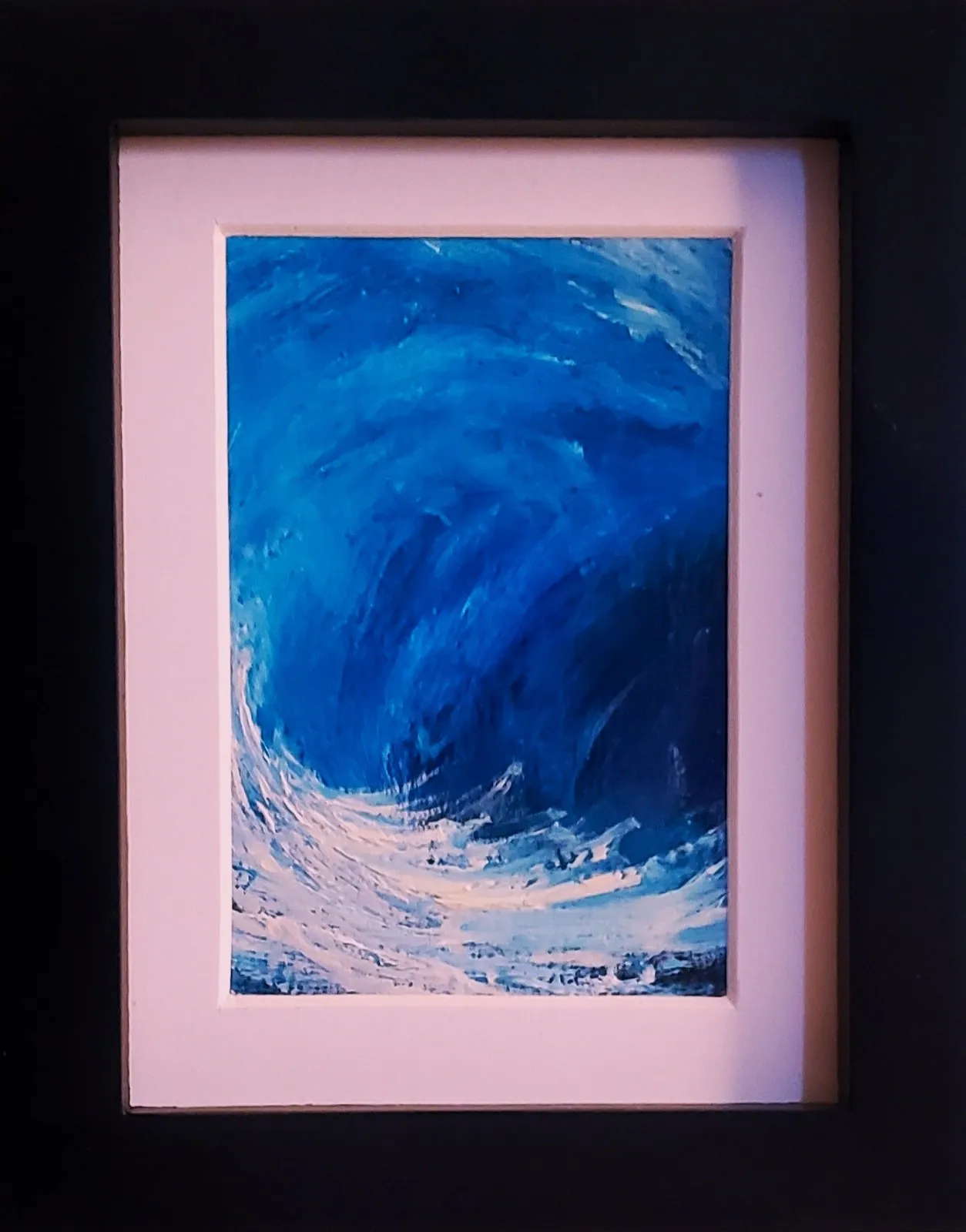
Art Collecting
How to Buy Art for the First Time: A Simple Guide
How to buy art for the first time, with practical steps for choosing a painting, checking size and condition, and confirming delivery.
Read the guide ↗Art Collecting
How to Care for Watercolor Paintings at Home
How to care for watercolor paintings at home, with practical advice on light, framing, cleaning, handling, and safe storage.
Read the guide ↗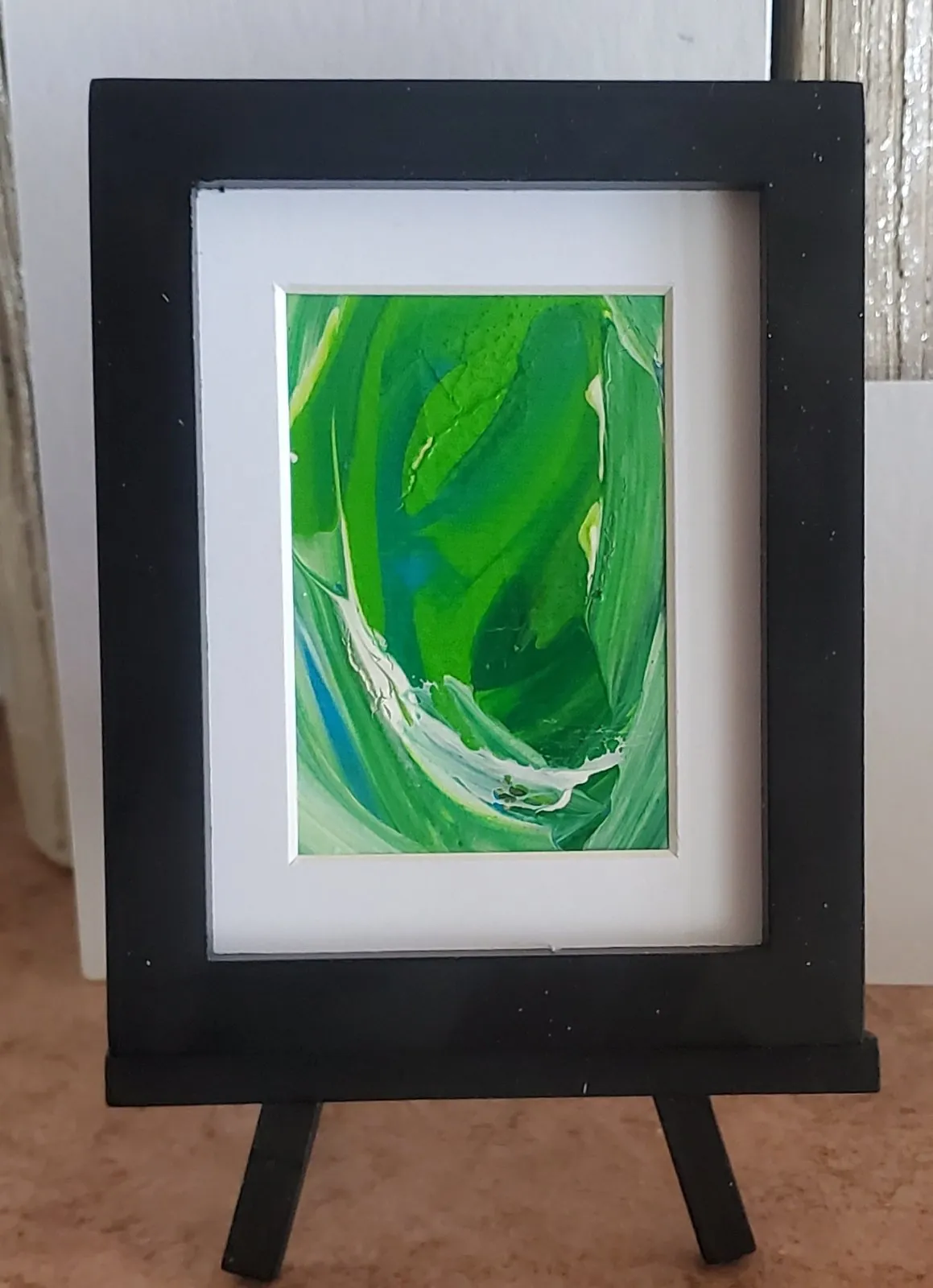
Art Collecting
How to Display Small Paintings: 7 Ideas That Work
Seven practical ways to place small paintings with confidence, from a single close-up moment to a more collected grouping.
Read the guide ↗