Art collecting
How to Buy Art for the First Time: A Simple Guide
How to buy art for the first time, with practical steps for choosing a painting, checking size and condition, and confirming delivery.
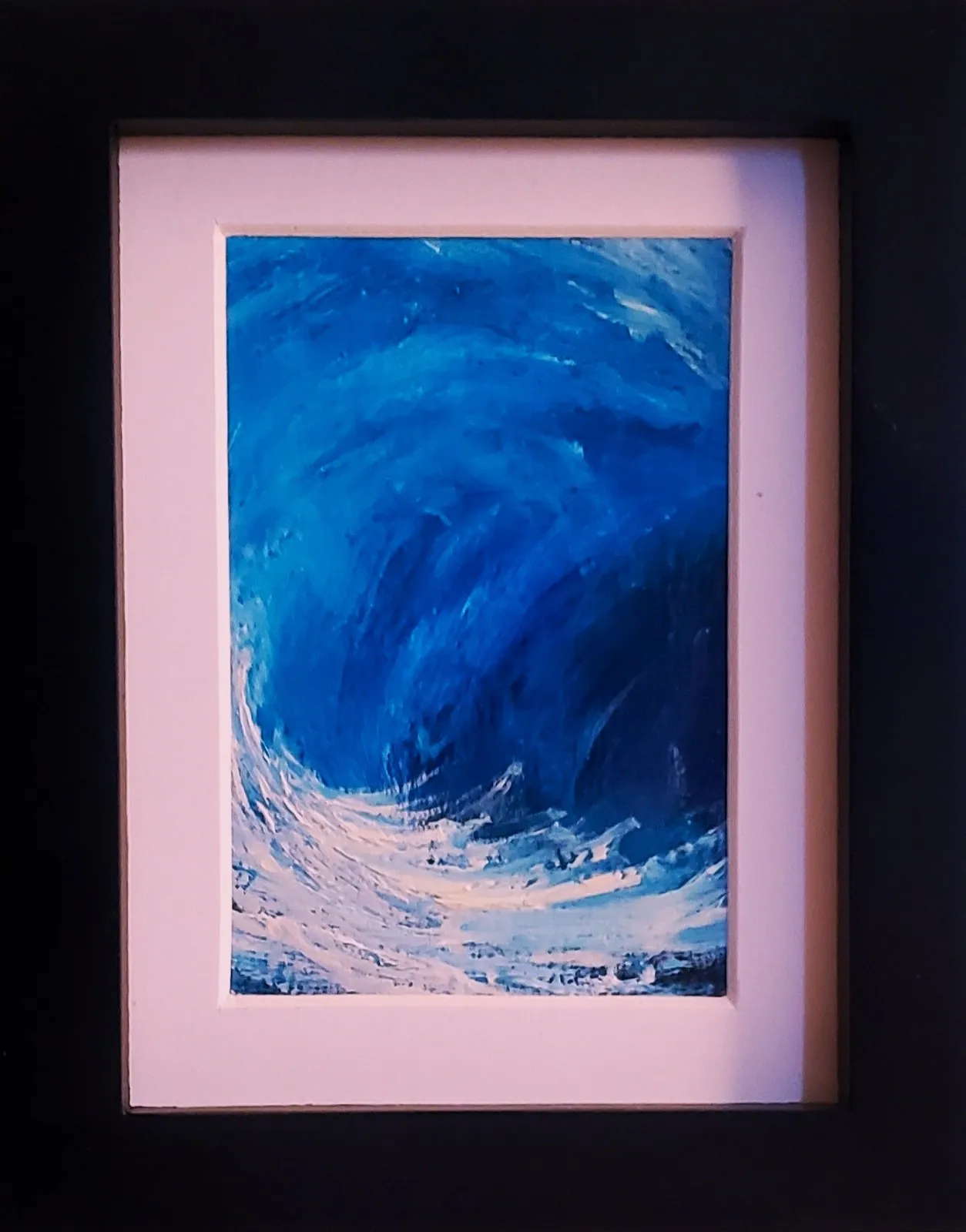
Buying art for the first time is less about finding the “right” answer and more about learning what you want to keep seeing. The most useful first purchase is not necessarily the biggest, rarest, or most expensive. It is the piece that keeps giving the room something back.
Before you buy a painting online or in person, make sure the feeling and the facts agree. You should know what the work is, how large it is, what condition it is in, what the final cost includes, and how it will arrive. That small bit of clarity lets you focus on the part that matters most: whether you want to live with the work.
Start with the feeling, not the empty wall
Before looking at dimensions or prices, notice the work you return to. You may be drawn to a low horizon, a rough surface, an unexpected color, or a scene that makes a room feel quieter. That response is worth taking seriously. A home does not need a collection built around one style, but a first piece should feel like it has a reason to be there.
Spend a little time looking at art in person and online. Save what catches your attention, then look for the pattern. The same approach appears in Fred’s landscape collection, his seascapes, and the more imagined views in Deep Space: the subject changes, but close attention to light and atmosphere remains.
Decide what kind of artwork you want to live with
Original art and prints offer different pleasures. An original carries the artist’s individual marks, texture, and small decisions. A print can be a more accessible way to bring an image into your home. Neither choice needs defending. The useful question is whether you want the singular object, the image itself, or both over time.
Medium matters too. Watercolor can feel transparent and atmospheric. Oils can hold depth and surface. Tempera often brings a different kind of crispness. Artsy’s guide to first purchases makes the same practical point: medium, size, and setting belong in the decision alongside your emotional response.
Check scale before you fall in love with the listing
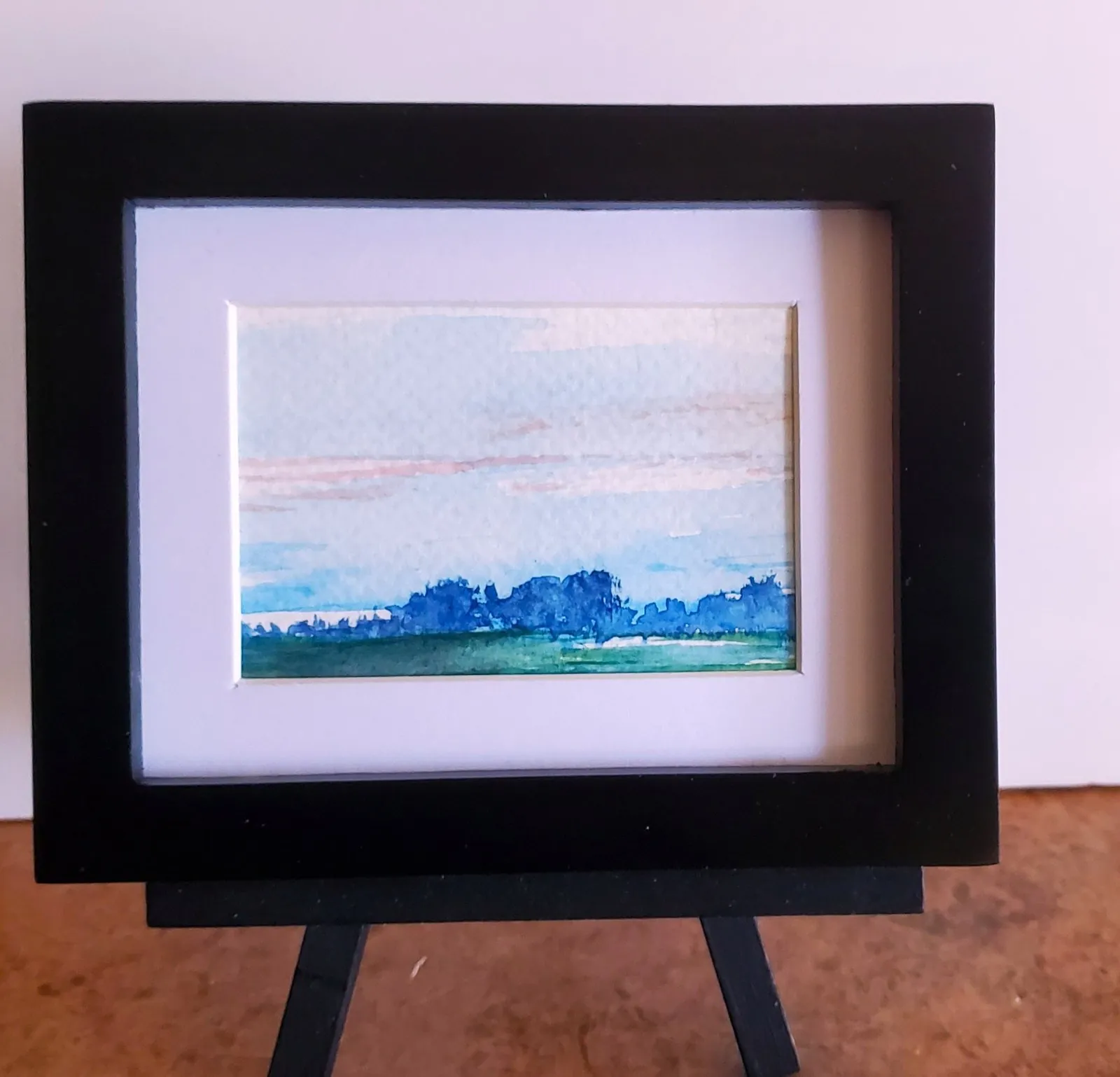
Read the artwork dimensions carefully, including the mat and frame when those are included. A miniature painting is intentionally intimate. It can live beautifully above a desk, near a reading chair, in a small grouping, or where you want a close-up moment rather than a dramatic wall statement.
A simple test helps: mark the outer dimensions on the wall with painter’s tape or cut paper to the same size. Step back, then stand where you would naturally see it every day. Artfinder recommends using paper as a practical scale check, and it is still one of the clearest ways to turn an online image into a real-world decision.
Set a budget that leaves room for enjoyment
Choose a comfortable range before you browse deeply. Then check what is included: the artwork, framing, shipping, sales tax, and any handling costs. Price should be clear, but it does not need to be the only measure of value. A small original can be an accessible way to begin collecting precisely because it rewards close looking without demanding a large wall or an intimidating first commitment.
On the available work page, each piece lists its price and leads to its current shop listing. A clear price, precise dimensions, and a direct way to ask a question remove much of the guesswork that can make a first purchase feel harder than it needs to be.
Learn the story behind the work
Art becomes more personal when you understand who made it and why. Look for the artist’s materials, subjects, process, and point of view. This is not homework. It is the context that lets a painting become more than color on a wall.
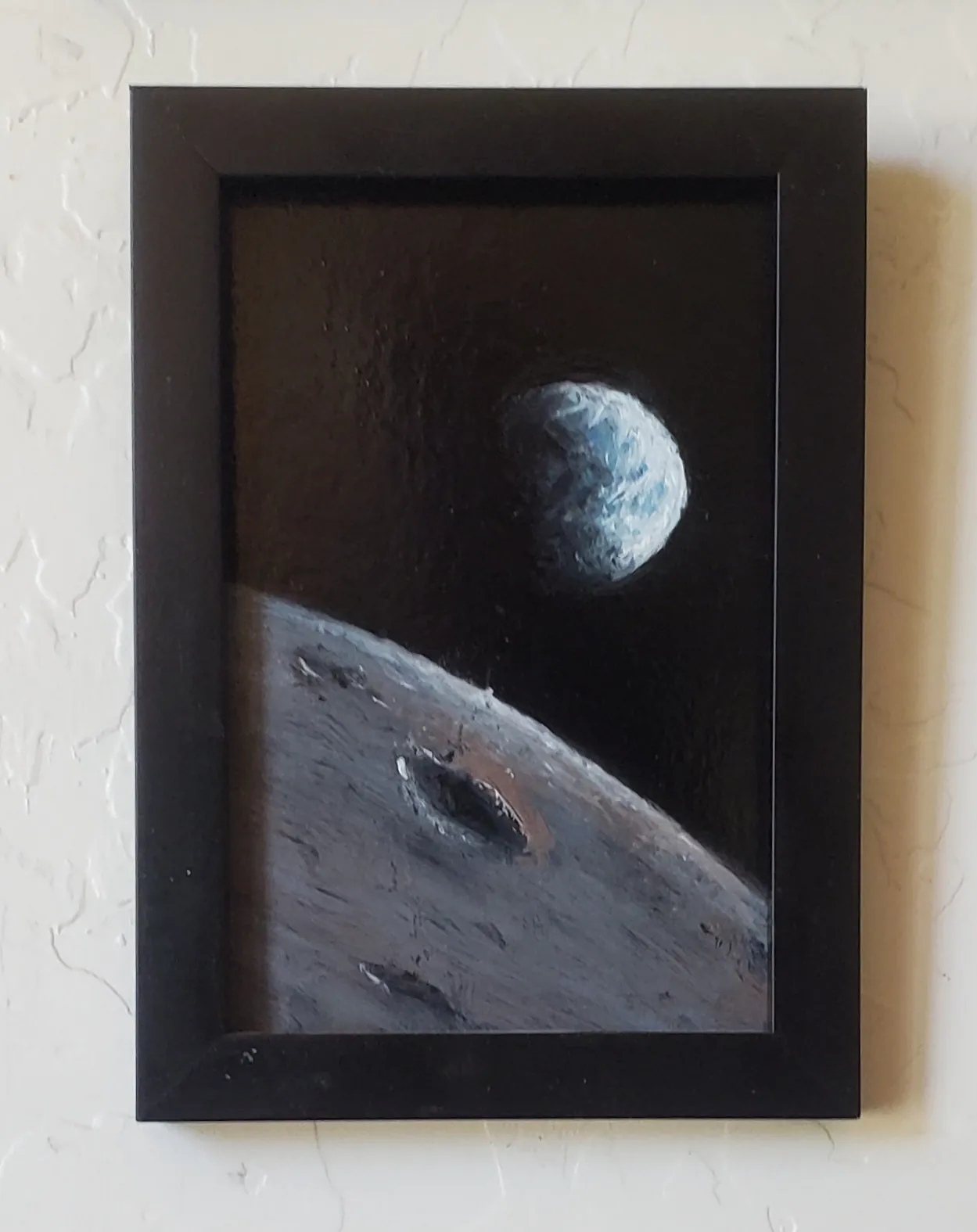
Fred Wilson’s work begins with a practiced interest in compact worlds: Arizona ridges, changing water, and imagined space, all built at a scale that asks for a closer look. His artist story explains how years in art, design, and gallery life shaped that focus. Knowing that context can make it easier to recognize whether the work fits what you want to live with.
Ask the questions that make a purchase feel settled
When you find a piece you like, slow down long enough to confirm the details. Ask about its exact size, medium, condition, frame, delivery timeline, and return terms. Good questions are not a sign that you are difficult, they are how you make a decision you will enjoy.
- What are the artwork’s unframed and framed dimensions?
- Is it an original, a print, or part of an edition?
- How is it framed and ready to hang?
- What will delivery cost, and how will the work be packed?
- What are the seller’s current shipping and return terms?
Choose the piece you will keep noticing
There is no need to wait until you know everything about art. Confidence grows by looking, asking, and letting your own response count. A painting that holds your attention after the first rush of discovery has already told you something important.
A close look
Original work, made for a closer view.
Fred3 Mini Art offers original miniature paintings alongside giclée prints, with work shaped by land, water, and imagined space. Browse the current collection, or contact Fred with a question before choosing.
Browse available workQuestions
Buying art FAQ
How much should a first piece of original art cost?
Choose a budget that feels comfortable before you start looking, then include framing, tax, and delivery if they are separate. A first piece does not need to be a major purchase. The right starting point is an artwork you genuinely want to live with, at a price that lets you enjoy the decision.
Should I buy an original painting or a print?
Choose an original when the singular object, surface, and direct connection to the artist matter most to you. Choose a print when you are drawn to an image and want a more accessible way to bring it home. Neither is a lesser choice, they simply offer different experiences.
What should I ask before buying art online?
Ask for the artwork's exact dimensions, medium, condition, framing details, delivery cost, and return terms. If anything remains unclear, contact the artist or seller. A thoughtful seller should be able to answer direct questions about the work and how it will arrive.
How do I know whether art will work in my home?
Start with the feeling you want the room to hold, then measure the available space. Tape the artwork's outer dimensions onto the wall, including the frame if there is one. This makes scale easier to judge than trying to picture it from a listing alone.
Keep reading
Related guides
Art Collecting
How to Display Small Paintings: 7 Ideas That Work
Seven practical ways to place small paintings with confidence, from a single close-up moment to a more collected grouping.
Read the guide ↗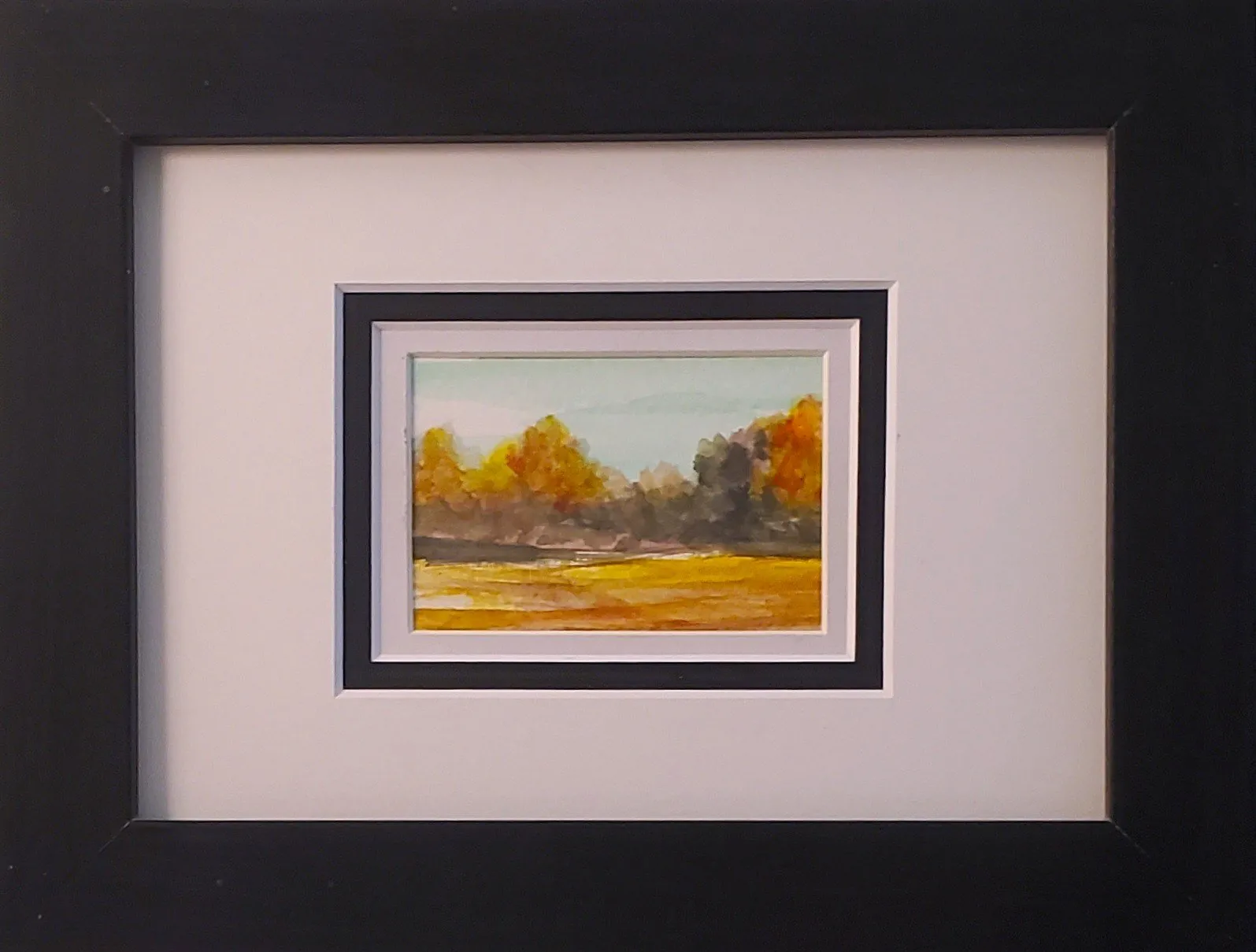
Art Collecting
How to Start an Art Collection for Beginners
A beginner's guide to starting an art collection, choosing a first piece, setting a budget, and buying original art with confidence.
Read the guide ↗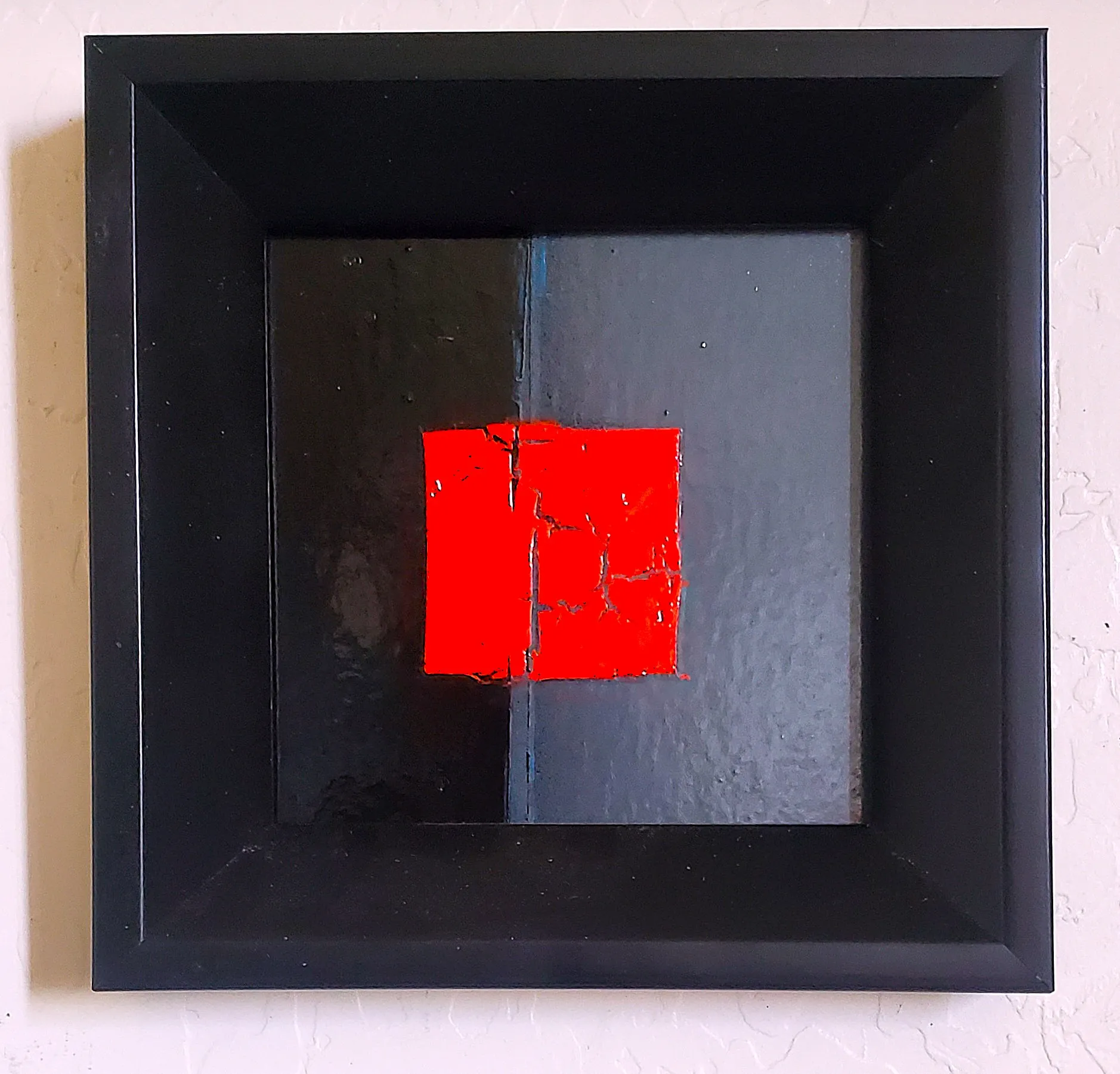
Art Collecting
How to Choose Art for Your Home
A practical way to choose art that feels personal, works with your space, and keeps rewarding a closer look.
Read the guide ↗