Art collecting
How to Choose Art for Your Home
A practical way to choose art that feels personal, works with your space, and keeps rewarding a closer look.
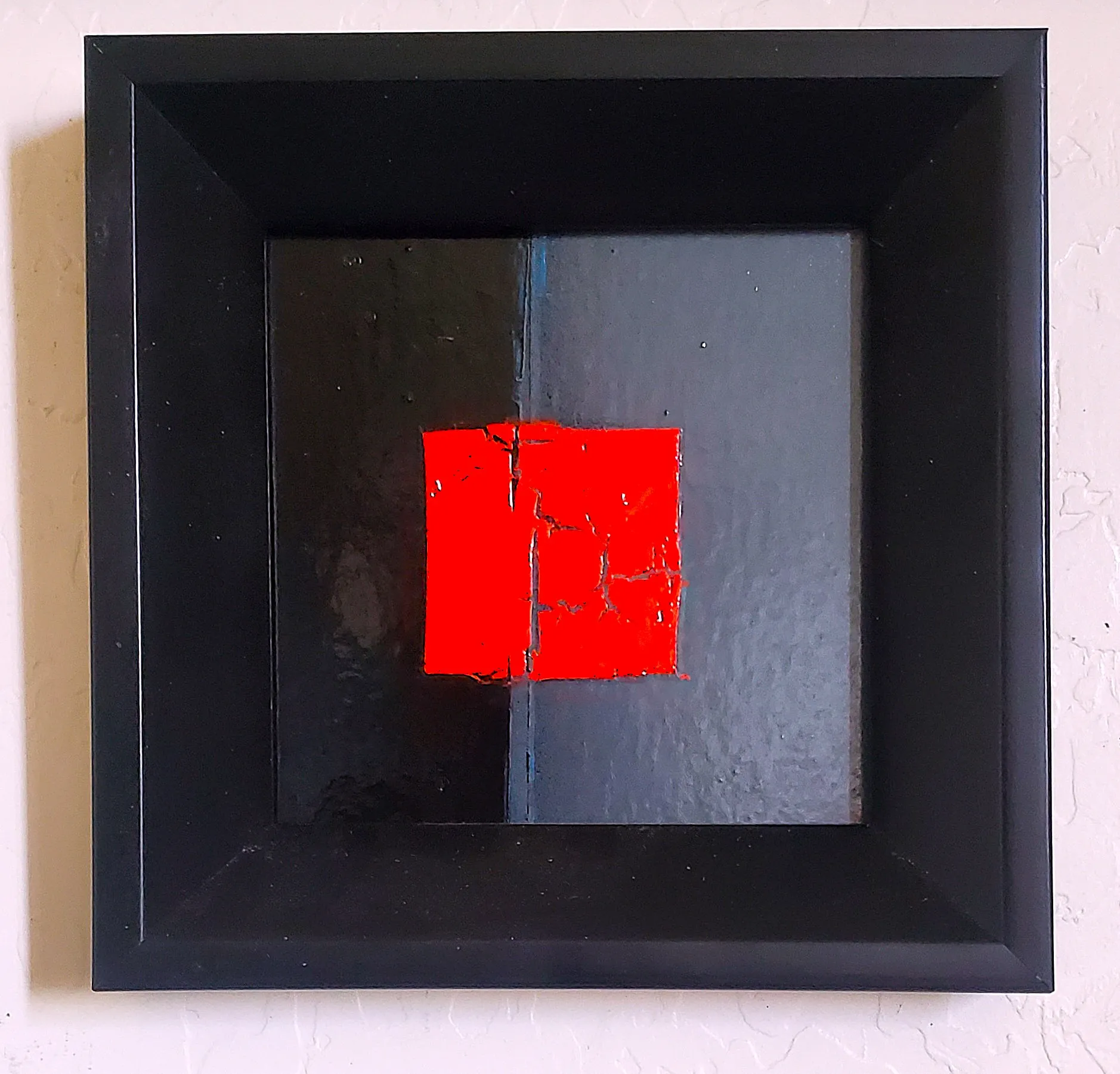
Choosing art for your home does not require a perfect eye or a finished room. It starts with noticing what makes you pause. The right work can give a familiar corner more character, make a quiet room feel warmer, or become the small detail you look for when you walk past it every day.
That is why the best choice is rarely the piece that simply fills a blank wall. It is the one that holds your attention before you have explained it. A few practical checks around scale, light, and placement will help, but the first signal is personal: you want to keep looking.
1. Start with the feeling you want to live with
Before matching colors or measuring a wall, think about what you want a room to give back to you. A painting can make an entry feel more welcoming, add a point of stillness to a busy desk, or bring energy to a wall that has begun to disappear into the background. Those are better starting points than trying to buy a piece that follows a rule.
Look for the responses that come naturally. You may return to soft morning light, rough marks, changing water, dry hillsides, or a strong field of color. Save a few images and write down three words beside each one. After a week or two, the words often reveal a clearer preference than the subjects do. You might be choosing atmosphere, contrast, or open space more than landscapes, abstractions, or seascapes.
This is also permission to let your taste be a little broader than you expected. A home can hold different kinds of art when each piece carries a familiar quality. Fred's landscapes, seascapes, and abstract work do not describe the same place, but they can all bring a quiet focus to a room.
2. Choose a real spot before you choose a perfect match
A work of art does not need to match the sofa, rug, or curtains exactly. In fact, a little contrast often gives a room more life. Instead of asking whether a painting repeats every color you already own, ask what it changes. Does it make the room feel calmer? Does it wake up a neutral wall? Does it bring a color into view that you would like to notice more often?
Think about the places you naturally look. The wall beside a reading chair, the end of a hallway, the first corner you see after coming home, or the shelf near a morning routine can be stronger choices than the largest empty space. Art works especially well when it has a relationship to daily life. You do not need to create a formal gallery wall for a piece to matter.
Small originals are generous in this way. They can live where people come close enough to notice the surface, the frame, and the small shifts of color. If you are considering a compact piece, the guide to displaying small paintings offers practical ways to use a narrow wall, shelf, or close-up corner with intention.
3. Check scale in the room, not only on a screen
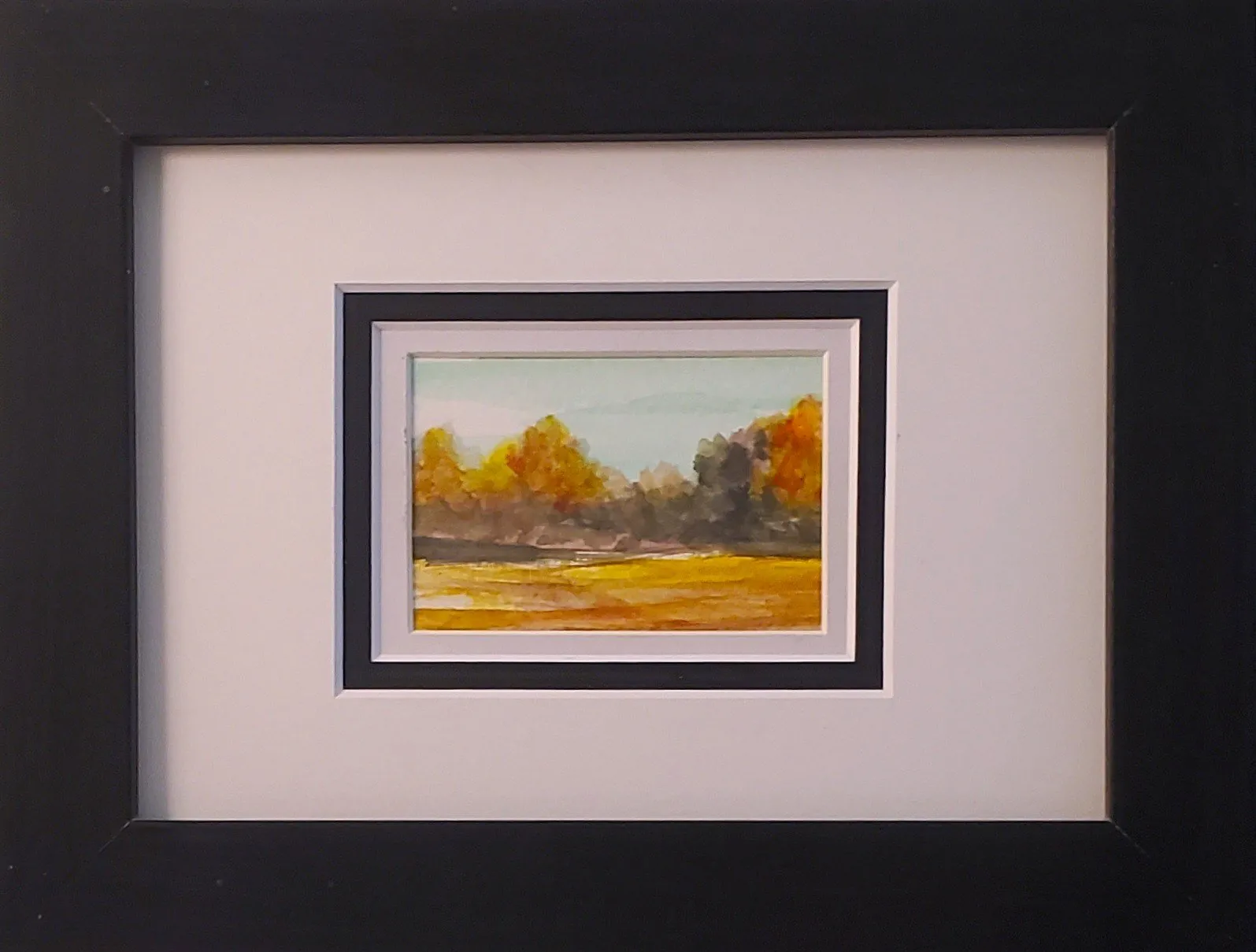
Dimensions are part of choosing art for your home, but they are easier to understand in the actual room. Read both the image size and the framed size when those are different. Then make a simple paper outline or use painter's tape to mark the outside edge of the frame on the wall. It takes a few minutes and answers questions that a product photo cannot.
Look at the outline from the doorway, then from the chair, desk, or table where you will normally see it. A work that feels small from across a large room may be exactly right beside a chair or above a narrow console. A larger wall may ask for a pair, a group, or more empty space around a single piece than you first expected. The goal is not to make every inch busy. It is to give the artwork a place where it can be noticed.
Framing changes the scale too. A mat can give a small painting room to breathe, while a darker frame can help it hold its own against a light wall. When you are unsure, view the full framed dimensions as the artwork's footprint. That is what the room will respond to each day.
For a first purchase, it is fine to choose a work that does not solve every future wall decision. Living with one piece teaches you how a room uses color and how close you like to stand to art. The guide to buying art for the first time can help with the accompanying practical details, from dimensions to delivery and return terms.
4. Let light and surface do some of the choosing
Art changes as daylight moves through a room. A watercolor may feel especially open near a soft window light, while an oil painting can reveal different texture as you pass it. Notice the light where you plan to hang the work, not because there is one correct answer, but because the room will become part of the experience.
Direct, harsh sun deserves more caution than gentle daylight. The Smithsonian's collection-care guidance recommends protecting valued objects from strong light, heat, and humidity changes. A location near a window can still work beautifully when the light is softened, the work is properly framed, and the piece is not asked to endure the brightest part of the day.
Surface matters as much as subject. Watercolor can offer transparency and quiet layering. Oil can bring weight, texture, and a different kind of depth. An abstract may make a color relationship feel more immediate, while a landscape can give a room an imagined view. Spend a moment looking at the material qualities, not just the thumbnail image. The texture or softness you notice up close may be the reason the piece continues to work in your home.
5. Build a connection, not a matching set
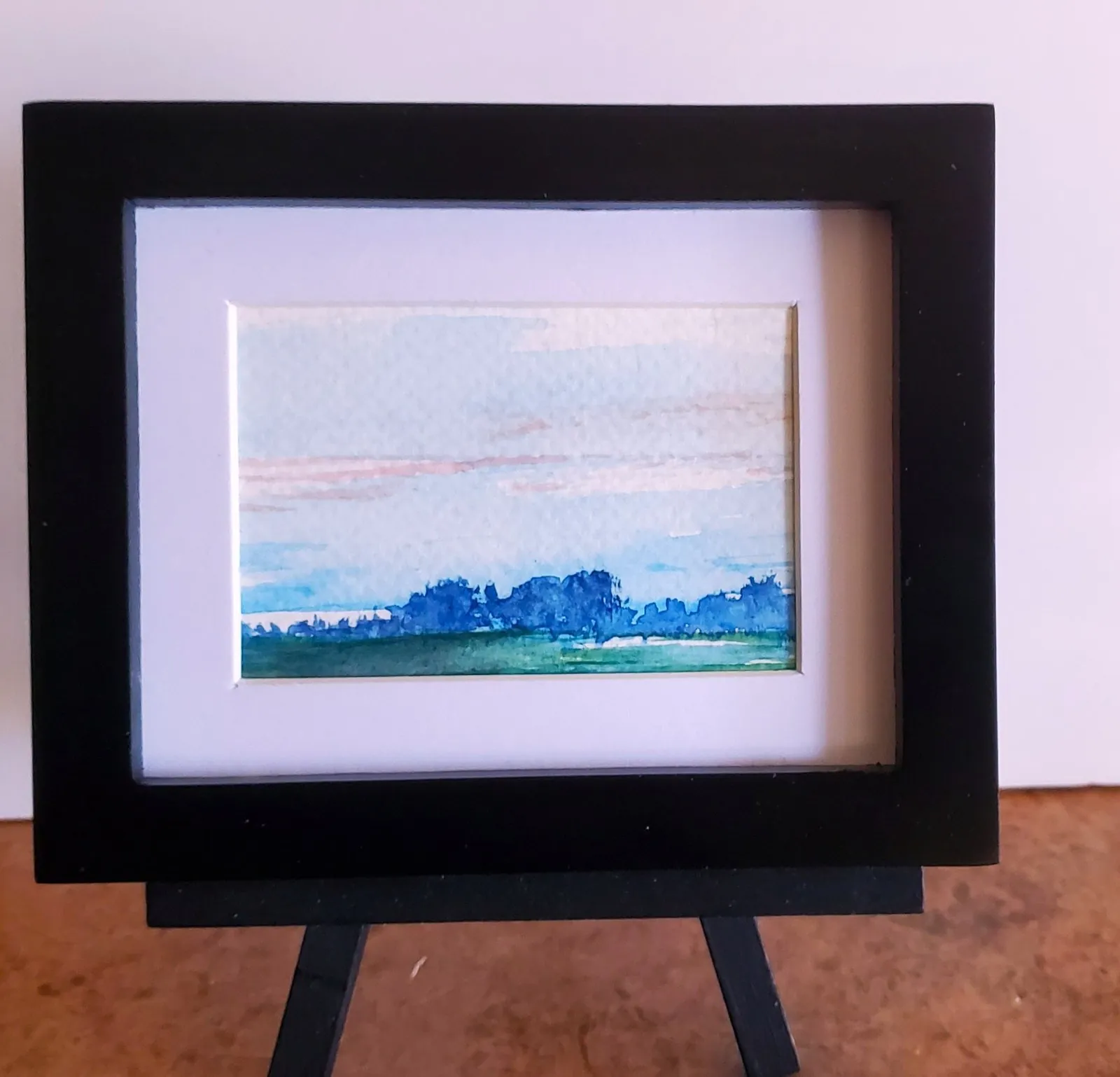
When you are choosing a second or third work, it helps to look for a conversation rather than a match. Two paintings might share a blue note, a similar amount of open space, a comparable frame finish, or simply the same sense of quiet. Those connections make a group feel considered without forcing every piece to repeat the same subject.
Contrast can be useful too. A small seascape can bring a different rhythm to a room full of dry landscape colors. A more abstract painting can give a group of recognizable scenes a pause between them. The question is not whether every piece belongs to one obvious theme. The question is whether each addition gives the others something new to say.
Try a low-pressure test before you hang anything permanently. Place the framed work on a shelf, lean it briefly against a wall, or hold it in the proposed spot while someone else steps back. Take a photo and look again later. This gives you distance from the first rush of deciding, and it can reveal whether the artwork has enough breathing room.
6. Make the practical details part of the confidence
A painting should be able to earn an emotional yes, but it should also come with clear information. Before you buy, check the medium, dimensions, framed condition, price, shipping cost, and return terms. Ask how the work will be packed and whether it is ready to hang. These details do not take the feeling out of the decision. They give the feeling a solid place to land.
Set a budget that feels comfortable for the whole purchase, including framing or delivery when those are separate. A collection does not need to begin with a dramatic commitment. A small original can be a thoughtful way to bring a singular object into your home and learn what kind of work you want to live with over time.
It is also worth reading about the artist's point of view. The materials, subjects, and way an artist looks at a place can give a work a longer life than its colors alone. Fred's artist story shares the close attention behind his compact studies of land, water, and imagined space. That context helps a visitor decide whether the work feels right for their own home.
Take your time. A good choice does not become less good because you leave it open for a day. If a work still holds your attention after you have checked the details and pictured it in a real room, that is useful information.
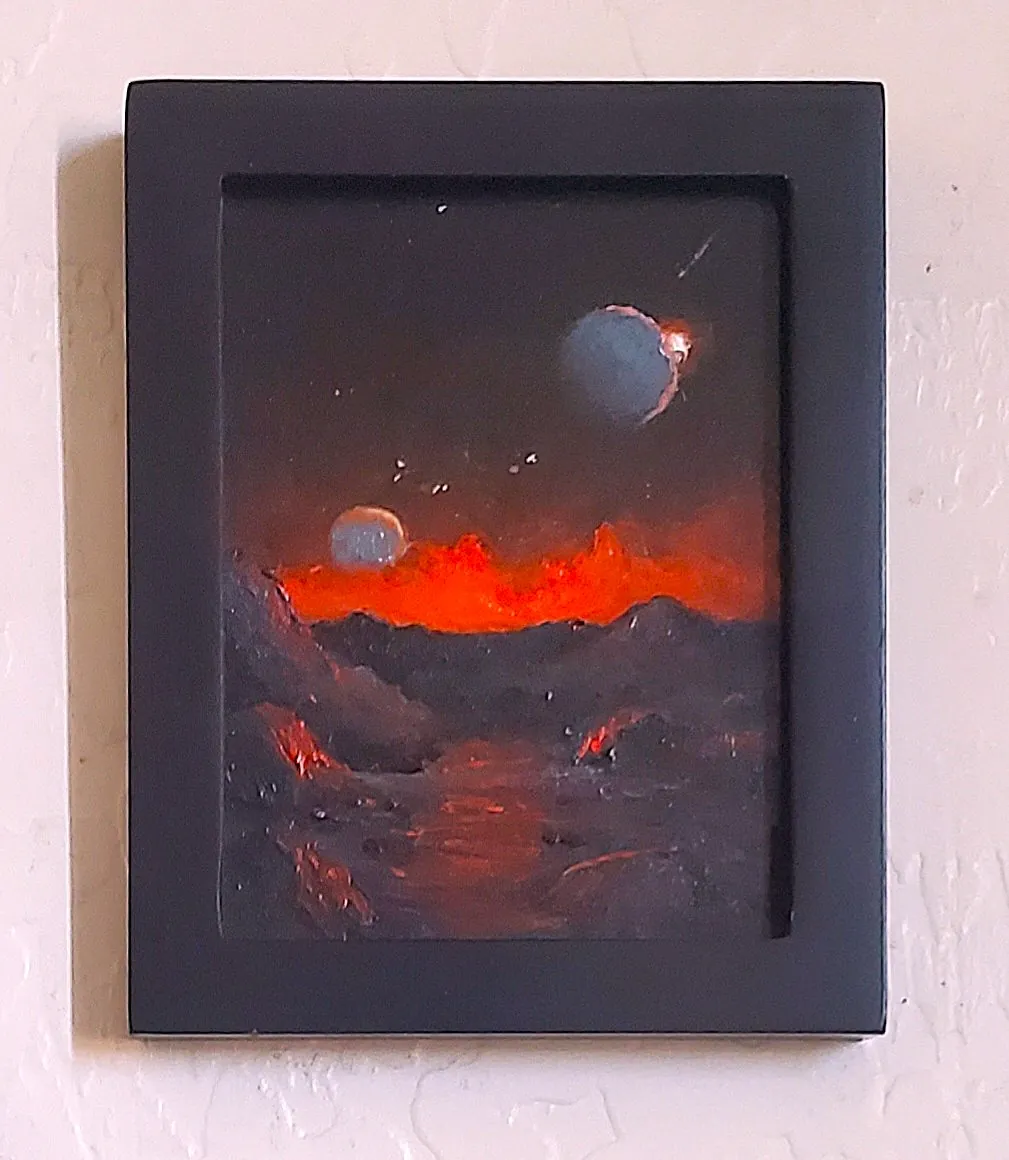
A simple way to make the final choice
Before you decide, return to a few plain questions. Do I keep coming back to this work? Can I imagine it in a specific part of my home? Do I understand its true size, materials, delivery, and care needs? Does the price feel comfortable? And does it bring something to the room that I want to keep seeing?
You do not need to know everything about art to answer those questions. You only need enough information to make the choice yours. Art collecting becomes more personal when you choose slowly, let your own response count, and give each piece a real place in the life of your home.
A close look
Original paintings made for the places you notice most.
Fred3 Mini Art offers original miniature paintings shaped by land, water, color, and imagined space. Explore the available work, browse the watercolor collection, or contact Fred with a question before you choose.
Browse available workQuestions
Choosing art for your home FAQ
How do I choose art that fits my home?
Begin with the feeling you want a room to hold, then look at the places you naturally spend time. Choose work that draws you in on its own, check its framed dimensions in the actual space, and let the room guide placement rather than trying to match every color exactly.
Should art match the colors in a room?
It can echo one or two colors already in the room, but a perfect match is not required. Contrast can make a painting feel more alive. The more useful question is whether the work gives the room the mood, energy, or quiet you want to live with.
What size art should I choose for a wall?
Start with the framed dimensions and test them with paper or painter's tape on the wall. View the outline from the doorway and from the place where you normally sit. A small painting works especially well in places people see close up, while a larger wall may call for a group or a work with more visual presence.
Is it okay to buy art before knowing exactly where it will go?
Yes, especially when a work genuinely holds your attention. It helps to know its dimensions and care needs first, then try it in a few parts of your home. A small original can move between a shelf, hallway, desk, or reading corner before it finds its long-term place.
Keep reading
Related posts
Art Collecting
How to Buy Art for the First Time: A Simple Guide
How to buy art for the first time, with practical steps for choosing a painting, checking size and condition, and confirming delivery.
Read the guide ↗Art Collecting
How to Care for Watercolor Paintings at Home
How to care for watercolor paintings at home, with practical advice on light, framing, cleaning, handling, and safe storage.
Read the guide ↗
Art Collecting
How to Display Small Paintings: 7 Ideas That Work
Seven practical ways to place small paintings with confidence, from a single close-up moment to a more collected grouping.
Read the guide ↗