Art collecting
How to Store Paintings Safely at Home
How to store paintings safely at home, with practical guidance on handling, wrapping, placement, and when to call a conservator.
A painting may be off the wall for a move, a renovation, a seasonal change, or simply because your collection has grown faster than your available walls. Good storage is not about building a museum at home. It is about reducing the ordinary risks: pressure, rubbing, dampness, sharp temperature changes, dust, and an awkward lift at the wrong moment.
For a small original, the best storage plan is usually calm and simple. Choose an interior space that stays comfortable for people, keep the work upright and supported, protect it from contact with other objects, and avoid improvising with tape, plastic, or a crowded closet. When a painting is damaged, damp, flaking, or unusually valuable, pause and ask a qualified conservator before moving it.
1. Choose a stable room before choosing a box
The place matters more than fancy packing materials. Look for a clean, dry interior room with steady conditions, such as a bedroom, home office, or an interior closet that does not share a wall with a bathroom or exterior door. The National Park Service notes that poor storage can accelerate deterioration, while the Smithsonian’s conservation guidance emphasizes keeping paintings away from ultraviolet light and unstable conditions.
Skip attics, basements, garages, sheds, and unfinished storage rooms whenever possible. Those spaces are more likely to experience heat, cold, dampness, plumbing risk, pests, and sudden environmental shifts. A painting can look secure in a box and still suffer when the room around it changes too dramatically over time.
Also think about what is above, below, and beside the storage spot. Avoid a place under pipes, near a washing machine, against a cold exterior wall, or beside stored food and household chemicals. The aim is not perfection. It is a low-risk part of the home where the work will not be forgotten under something heavy or exposed to an avoidable leak.
2. Inspect the work before you pack it
Give the painting a quiet inspection in even light. Note whether it is framed, glazed, on canvas, on panel, or on paper. Look for loose paint, a cracked surface, a slack canvas, damaged corners, a wobbly frame, or moisture inside the glazing. Take a few clear photographs, including the front, back, and frame corners. This is useful documentation, not busywork. It lets you recognize a later change and gives a framer or conservator a starting point if you need advice.
If anything looks unstable, do not press it flat, tape it down, or try to clean it before storing. A painting with raised or flaking paint needs individual advice. The Canadian Conservation Institute’s storage and display guidance for paintings makes the same practical distinction: fragile surfaces may need a tailored support or container rather than ordinary wrapping.
Remove dangling wires only if you know the frame is secure and the work needs to be stacked in a professional storage setup. For most homeowners, the safer rule is simpler: do not let hardware scrape another frame or painted surface. Keep objects separated and make fewer moves, not more.
3. Store most paintings upright, never in a leaning pile
For framed paintings and canvases in sound condition, upright storage is usually the safest approach. Stand each work on its bottom edge, as it would hang, with a firm support behind it so it cannot slide or tip. Keep it slightly away from the floor, particularly if the room has any chance of water intrusion. A sturdy shelf, cabinet, or clean raised platform is better than bare carpet or concrete.
Never stack paintings face-to-face or lay a pile of framed work on top of another. Weight can distort a frame, press glazing against a mat, or mark a textured surface. The National Park Service’s curatorial guidance is direct on this point: paintings should not be stacked on top of one another. Even a small piece deserves the same basic courtesy.
If you have several works, separate them with a stable divider or a clean, rigid layer that cannot bow into the artwork. Do not create a tight sandwich where frames can rub as you pull one out. Give yourself enough room to lift each piece from both sides without dragging it past the others.
4. Use protective layers thoughtfully
Protection should prevent dust and abrasion without trapping a painting in a damp, abrasive package. For a short move, clean acid-free tissue or glassine can help shield a stable surface, followed by a rigid layer that keeps pressure away from the face. The Metropolitan Museum of Art recommends smooth acid-free paper over stored paintings to guard against abrasion, fingerprints, and airborne dirt.
Bubble wrap has a role in shipping, but it is not a universal storage solution. Do not press it directly against a painted surface, especially one with texture, and do not tape it to the frame. For a longer stay, a clean breathable cover plus a supported upright position is often safer than sealing the work tightly in plastic where moisture can linger unnoticed.
Never use newspaper, printed paper, colored tissue, packing peanuts, or a dusty blanket against the artwork. Ink, dyes, fibers, and grit are exactly the kind of surprise a careful storage plan is meant to avoid. If you do not have suitable materials, protect the work from contact and wait until you do rather than making a questionable substitute permanent.
5. Keep paintings away from pressure, furniture, and foot traffic
A storage spot can have good temperature and still be a bad choice if a chair, bicycle, suitcase, or box will be pushed against the artwork. Store paintings vertically in a place that does not double as a busy corridor. Leave a clear path to reach the piece without moving a dozen other things first.
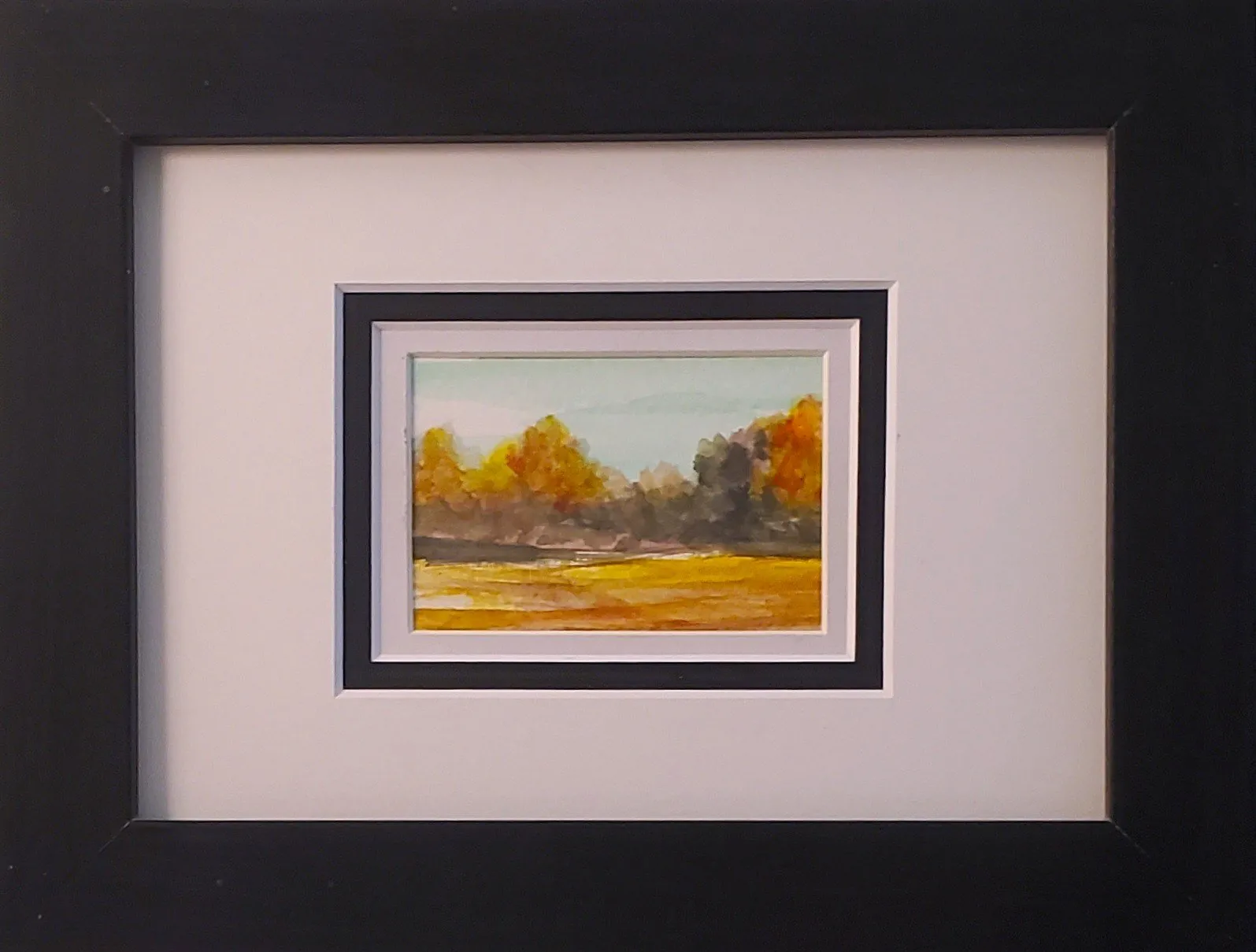
Framed watercolor needs a little more attention because glass or acrylic can crack under pressure and moisture can become trapped inside the frame. Do not wrap it so tightly that a bump transfers force directly to the glazing. If you see fogging, spotting, mold, or loose mat material inside the frame, do not open it on a kitchen table. A professional framer or conservator can assess it without putting the paper edges at risk.
A small painting may seem easy to tuck anywhere, but its compact scale is a strength, not permission to treat it like an object at the bottom of a drawer. Give it a dedicated space. You will protect it better and be more likely to bring it back out when a new wall or room calls for it.
6. Handle less, and handle from the frame
Every move introduces a chance for a knock, scrape, or fingerprint. Plan the path before lifting the work, clear a clean padded resting spot, and use clean, dry hands. Lift from both sides of the frame or the outer structure, never from a hanging wire, a stretcher bar, or the painted surface. Keep rings, watches, keys, and loose clothing away from the work.
For a larger or awkwardly framed painting, ask for help rather than trying to balance it with one hand. Carry it upright where practical and avoid squeezing it through a cluttered doorway. If the work must travel farther than a room or a short local move, professional art handling may be the sensible choice, especially for an older, fragile, or sentimental piece.
Once it is in place, resist the urge to keep checking or rewrapping it. Storage should create fewer decisions, not more. A quick seasonal visual check for dust, dampness, pests, or a shifted support is enough for most stable works.
7. Bring the painting back into the room with the same care
When it is time to display the work again, inspect it before hanging. Check the frame, glazing, hanging wire, and hardware. If it has been stored near a different temperature or humidity, let it rest in the room before opening a tightly protected package. Slow, ordinary handling is safer than rushing from storage to wall.
Choose a wall away from direct sun, steam, cooking residue, and heat sources. The Journal’s guide to protecting paintings from sunlight explains why a bright room can still work when direct beams are avoided. For practical hanging decisions, the guide to hanging a painting covers height, hardware, and checking a wall before you commit.
Storage is part of living with original art, not a failure to display it. A painting can rest safely while you move, decorate, or wait for the right spot. The important thing is that it comes back to a room in the same condition, ready to reward another close look.
A simple painting-storage checklist
- Choose a clean, dry interior room with steady conditions.
- Inspect and photograph the work before you move it.
- Store sound framed paintings upright, supported, and raised from the floor.
- Never stack paintings or let frames and surfaces rub together.
- Use clean, acid-free protective materials when needed, never newspaper or tight plastic against paint.
- Keep the work away from leaks, heat, dampness, direct sun, pests, pressure, and heavy traffic.
- Ask a conservator before moving a damaged, flaking, damp, or unusually fragile painting.
A close look
Small originals made to stay with you.
Fred3 Mini Art offers original miniature paintings shaped by land, water, color, and imagined space. Explore the available work, see Fred’s artist story, or contact Fred with a question before choosing.
Browse available workQuestions
Storing paintings FAQ
Is it okay to store paintings in a garage or attic?
Usually not. Garages, attics, basements, and sheds often have larger swings in temperature and humidity, along with greater risk from leaks, pests, and dust. Choose a clean, dry interior room where people are comfortable year-round instead.
Should paintings be stored flat or upright?
Most framed paintings and canvases are best stored upright on their bottom edge, with stable support so they cannot tip or rub together. A fragile work, a work with flaking paint, or an unusual construction may need different handling, so ask a conservator before moving it.
Can I wrap a painting in bubble wrap for storage?
Bubble wrap is better reserved for short, carefully planned transport and should not touch a painted surface. For longer storage, use a clean protective layer and a stable, breathable setup. If the painting has texture, fragile paint, or an ornate frame, seek professional packing advice.
How do I store a framed watercolor?
Keep it upright in a clean, dry interior space away from direct sun, heat, dampness, and high-traffic areas. Protect the frame from abrasion, but do not use tape or wet materials near the glazing. If you see moisture, spotting, or mold inside the frame, contact a framer or conservator.
Keep reading
Related posts
Art Collecting
How to Protect Paintings From Sunlight
A practical guide to placing and caring for paintings so light remains part of the pleasure, not a source of avoidable damage.
Read the guide ↗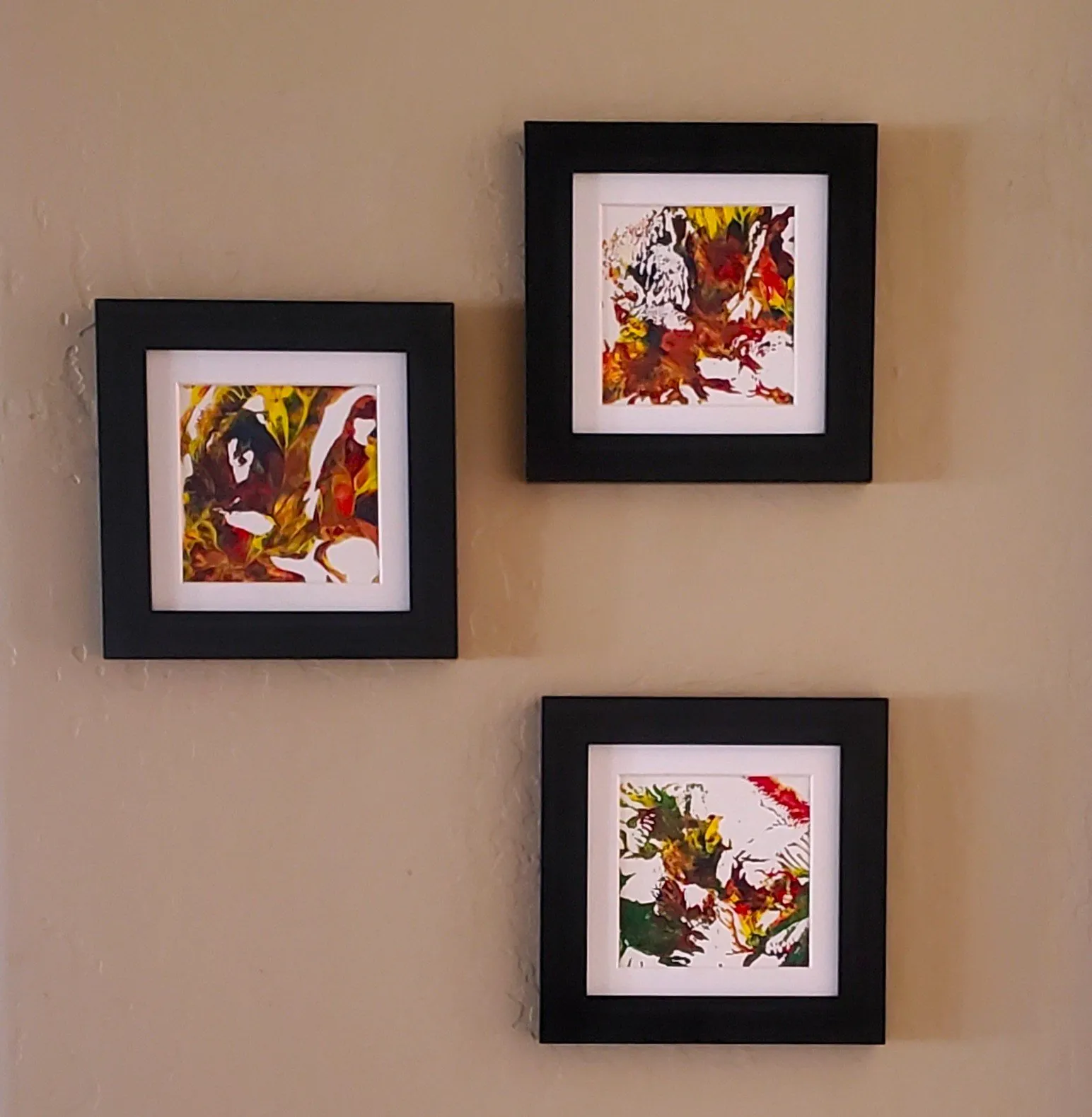
Art Collecting
How to Frame a Painting: A Guide for Small Original Art
A practical guide to choosing a frame, mat, glazing, and hanging plan that lets a small original painting hold its place at home.
Read the guide ↗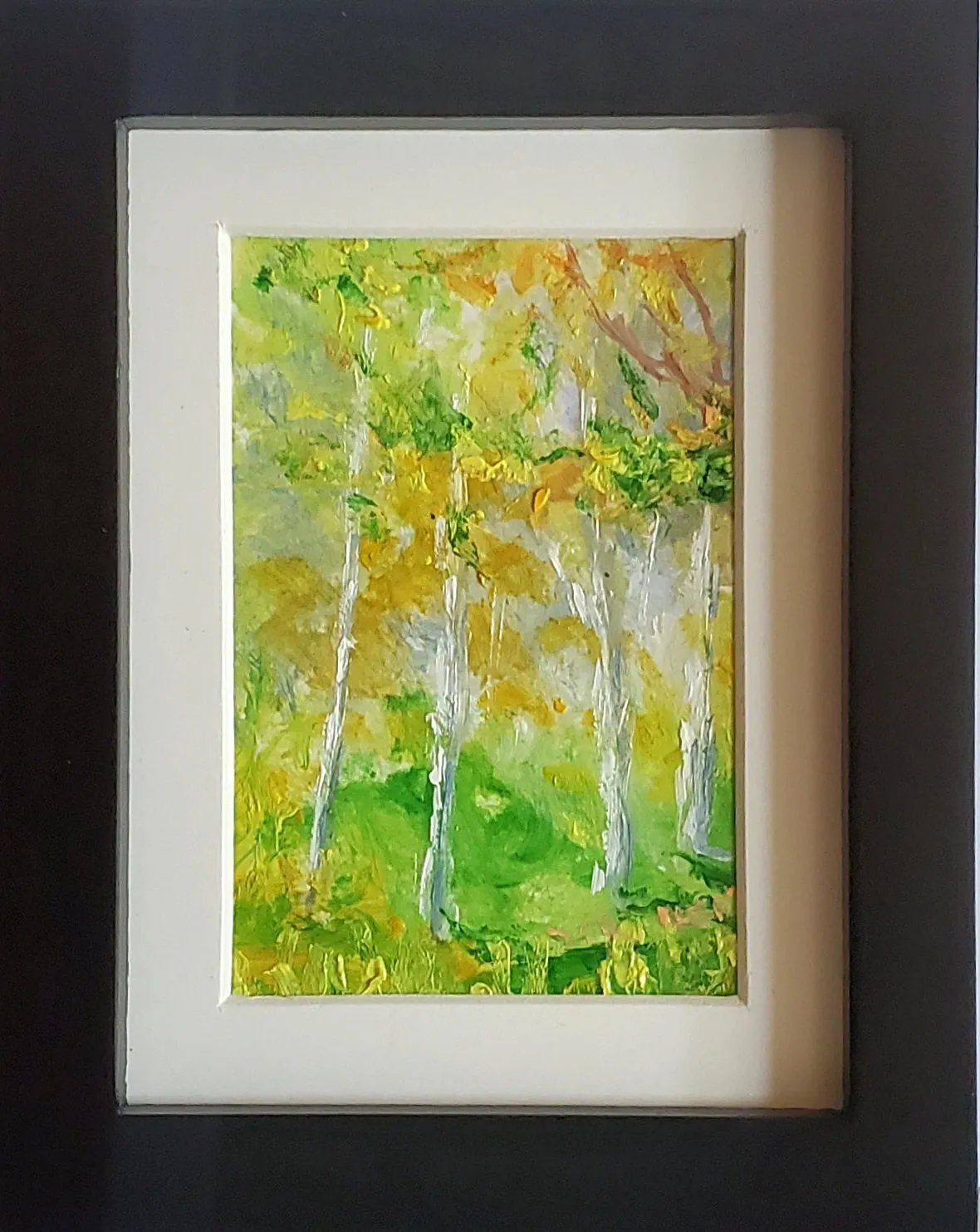
Art Collecting
How to Clean a Painting Safely: What to Do and Avoid
How to clean a painting safely, from handling ordinary dust to knowing when a stain, spill, or damaged surface needs a conservator.
Read the guide ↗