Art collecting
How to Frame a Painting: A Guide for Small Original Art
A practical guide to choosing a frame, mat, glazing, and hanging plan that lets a small original painting hold its place at home.
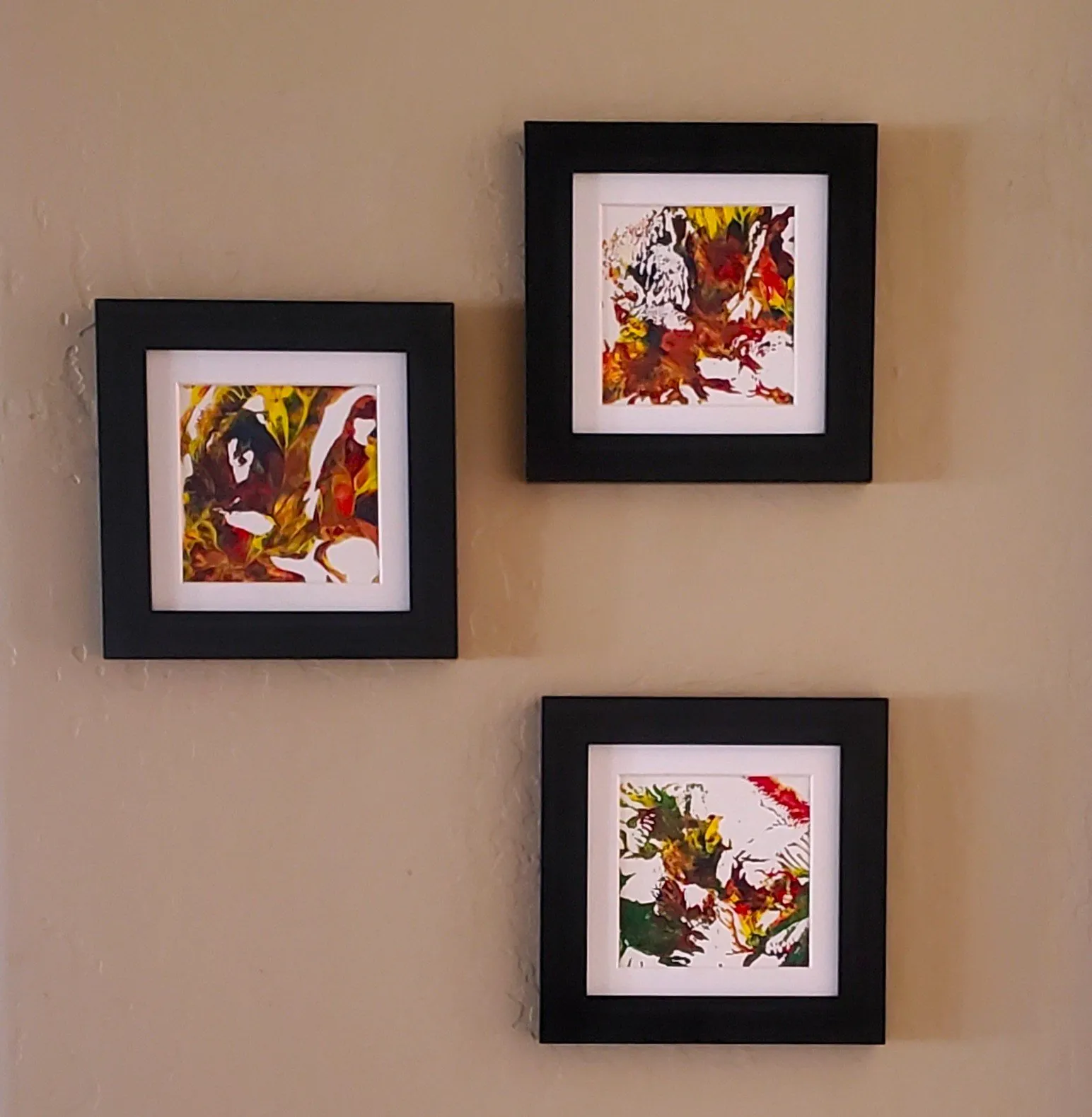
A frame does more than finish a painting. It gives a small work a deliberate place in the room, protects its more vulnerable edges, and helps you see it as part of your daily life rather than another image on a screen. The aim is not to make a painting look expensive. It is to give the artwork enough space and protection to be enjoyed.
That can feel like a lot to decide when you are standing in front of a wall of samples. It becomes simpler when you separate the choice into a few useful questions: what kind of work is this, what needs protection, how much visual space should it have, and where will it live? This guide walks through those decisions with small original paintings in mind, but the same approach works for many pieces you want to keep close.
1. Start with the artwork, not the room
Before choosing a color or profile, take a good look at the artwork itself. Is it watercolor, oil, acrylic, ink, or another medium? Is it painted on paper, canvas, board, or panel? Does it have a clean painted edge that the artist intended to show? Is it already mounted, matted, or stretched? Those details shape the framing decision more than a current decorating trend ever can.
Work on paper usually benefits from a protective frame, a mat or spacer, a backing board, and glazing. A stretched canvas or a rigid panel may be framed without glazing, but its edges, surface, and the artist's intentions still matter. When in doubt, take the actual work to a professional framer instead of relying on a listing photo. They can measure the piece, inspect how it is made, and flag a detail that an online image cannot show.
Begin by writing down the artwork's image size and its full outside size if it is already framed. Keep the title, medium, and a few photographs with the receipt. These small records help you compare frame options clearly and make later decisions about placement, insurance, or a move much less mysterious.
2. Decide whether the frame should disappear or participate
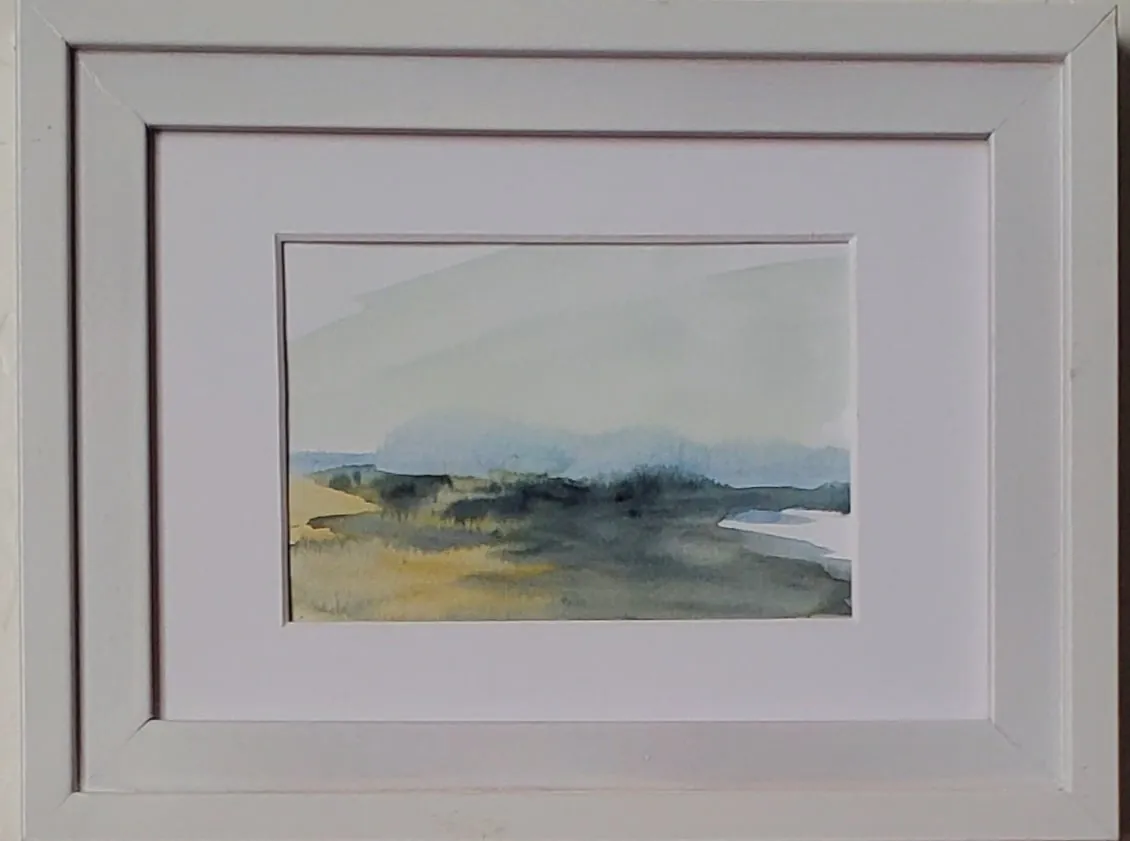
A good frame does not need to be invisible, but it should have a clear relationship with the painting. Ask what you want to notice first from a few feet away. If the answer is the painting's color, light, or subject, a quieter frame is often right. A simple natural wood profile, a narrow black frame, or a soft off-white finish can create a boundary without asking for equal attention.
There are times when a more present frame makes sense. A warm wood can echo an earthy landscape. A darker line can give a pale watercolor more definition. A deeper profile can help a small piece feel settled on a wall with larger furniture nearby. The point is not to match every color in the room. It is to choose one visual decision that helps the painting be seen.
For an original miniature, simplicity is usually a safer place to start than decoration. A busy carved or high-gloss frame can make a compact work feel like an accessory to the frame. Hold samples beside the artwork, then take a few steps back. The useful test is direct: does the frame make you look into the painting, or does it make you look at the frame?
If you are building a group over time, repeat one or two framing ideas rather than forcing every piece into identical frames. Similar wood tones, comparable widths, or a shared mat color can hold a group together while letting each painting keep its own character. The guide to displaying small paintings can help you plan the wall around that relationship.
3. Give small work enough breathing room
Small paintings are easy to underestimate because online listings shrink everything to a similar rectangle. In a room, a small work is seen close up. A frame can create the visual pause that lets it hold its place beside a lamp, bookshelf, desk, or narrow wall without pretending it needs to fill a large blank expanse.
A mat is one way to create that pause for work on paper. It adds space around the image and helps separate it from the glazing. A wide mat is not a trick for making a small painting seem larger. It gives the viewer's eye a calmer transition from wall to frame to image. White, soft cream, or a muted neutral often works well because it supports the artwork's colors without making a second statement.
Proportion matters more than a fixed rule. A delicate watercolor may feel right with a generous mat and a narrow frame. A bolder abstract can hold its own with less surrounding space and a stronger edge. Ask the framer to show two or three options at the same time. A slightly wider mat or a quieter profile can be easier to judge in a real comparison than from a single sample.
4. Protect work on paper from contact and light
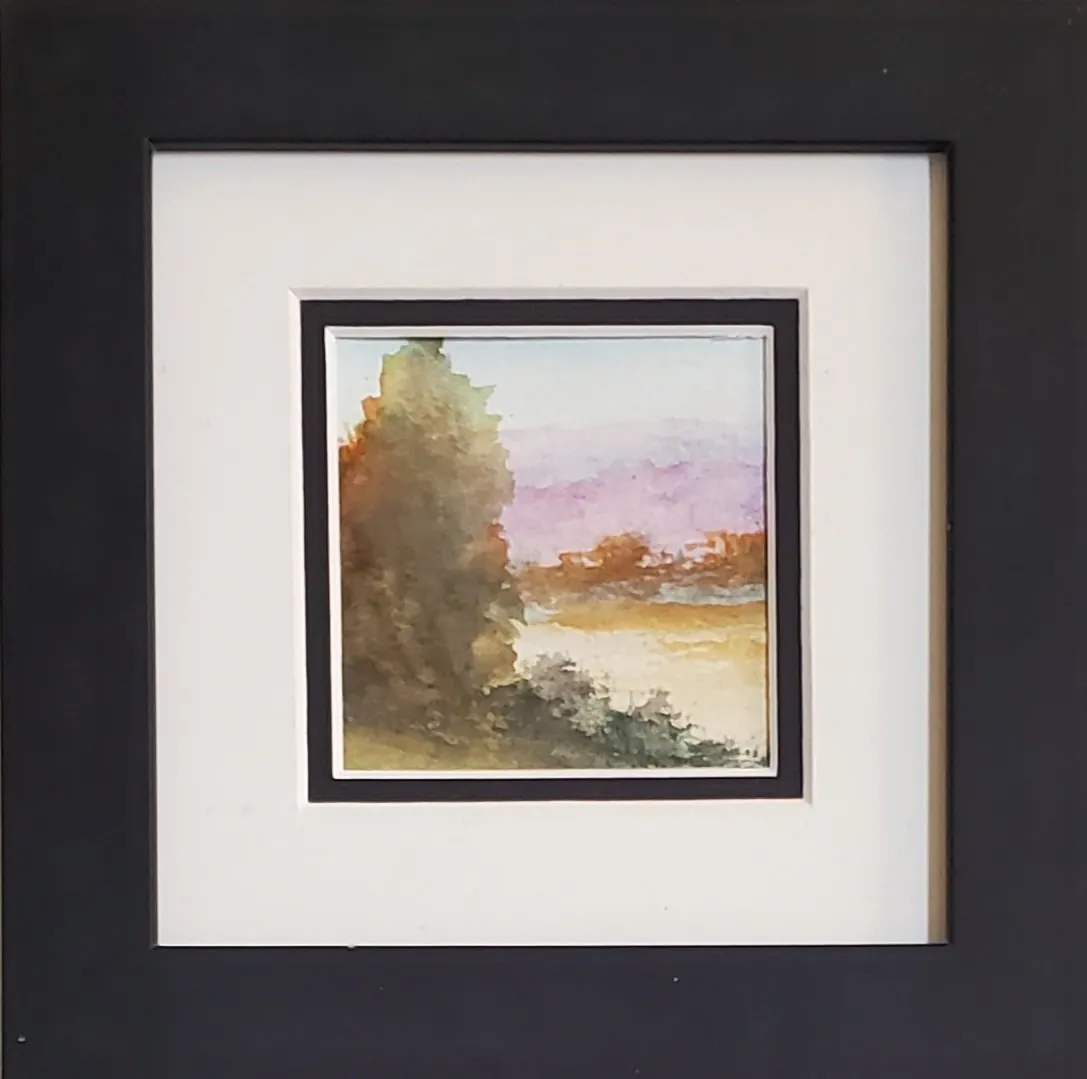
Watercolors, drawings, prints, and other works on paper need a little more protection because paper and delicate media can be affected by handling, dust, and light. The framing detail that matters most is simple: the artwork should not sit directly against glass or acrylic. A proper mat or spacer creates a small air gap, helping reduce the chance that the surface could soften and stick during humid conditions.
The North Carolina Department of Natural and Cultural Resources recommends using archival-grade or acid-free materials around paper objects, keeping them separated from glazing with spacers or a mat, and choosing UV-filtered glass or acrylic for display. Its guidance for caring for documents, books, and photographs explains the conservation reasoning behind those requests. The same principles are useful questions to bring to a framer when you are buying or reframing a watercolor.
UV-filtered glazing helps reduce a source of damage, but it is not a license to hang art in direct sun. Light exposure accumulates over time. Choose a wall away from the strongest direct beam, then use a shade, curtain, or blind during the brightest part of the day when needed. The practical advice in the Journal's guide to protecting paintings from sunlight can help you assess the room before the framed work goes up.
For valuable, fragile, old, or emotionally important work, do not experiment with adhesive tapes, household cardboard, or a tight bargain frame. A professional framer can explain the materials they recommend, and a conservator is the right person when the artwork is already damaged or its condition is uncertain. The American Institute for Conservation's Find a Professional directory is a useful starting point when specialist care is needed.
5. Choose glazing based on the painting and the place
Glazing means the clear protective layer at the front of a frame. Glass is traditional, clear, and widely available. Acrylic is lighter and less likely to shatter, which can make it useful for a large frame, a high-traffic area, or a piece that will travel. Both have tradeoffs, and a framer can help you choose based on the work's size, medium, and location.
For paper-based art, the question is not only glass versus acrylic. It is also whether the glazing filters ultraviolet light, reduces reflection, and stays safely apart from the artwork. For a small watercolor in a modestly lit room, a straightforward UV-filtered option may be enough. For a piece that will hang opposite windows or under strong lights, reduced reflection can make a meaningful difference in how often you actually enjoy looking at it.
Paintings on canvas or panel are often displayed without front glazing because the painted surface needs to be seen directly and a frame can provide protection around the edge. That is not an absolute rule. A delicate surface, a dusty setting, or a special preservation need may call for a different solution. The Canadian Conservation Institute's guidance for caring for paintings is a helpful reminder that light, heat, moisture, and handling all affect how valued objects age.
6. Use a ready-made frame when it is genuinely a good fit
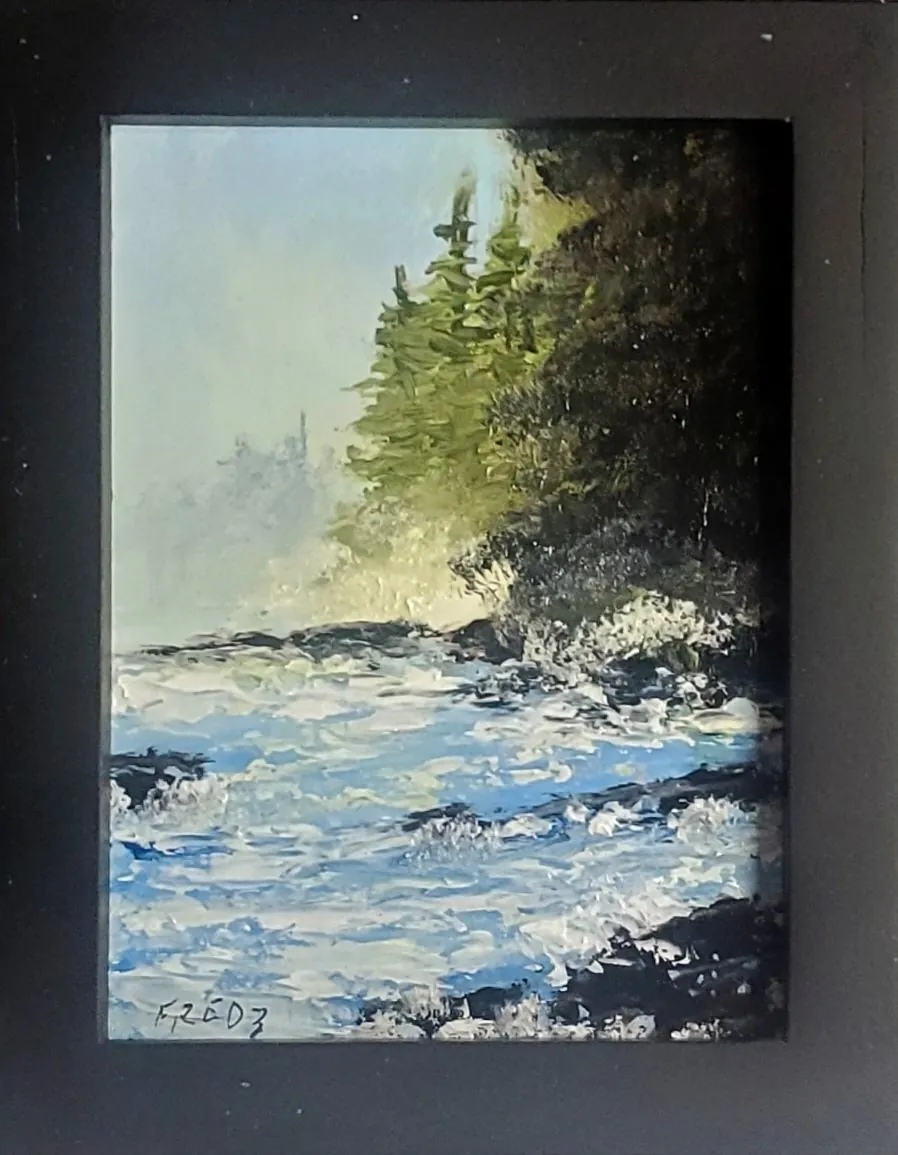
A ready-made frame can be an excellent choice for a standard-size, sturdy piece when the fit is clean and the materials are appropriate. It keeps the process simple, gives you a chance to try the work at home, and can be easier on the budget. Look for a frame that leaves enough depth for the artwork, backing, and any mat or spacer the piece needs. Avoid forcing a painting into an opening that presses on its edges.
Custom framing earns its cost when the artwork has unusual dimensions, needs a specific depth, has a delicate surface, or calls for a proportion that a standard frame cannot provide. It can also be worthwhile when a small painting is intended for a meaningful place, such as above a desk or in the first room you see each day. You are not paying only for a more elaborate frame. You are paying for fit, protection, and a clearer visual decision.
There is no virtue in choosing the most expensive option by default. Ask for the estimate in plain language, including the frame, mat, glazing, backing, mounting method, and hardware. Ask which parts are for appearance and which parts protect the work. A good framer should be able to explain the difference without making the choice feel intimidating.
7. Plan the final placement before the frame is closed
Before you commit, think about where the work is likely to live. Is it a close-up piece for a reading chair, desk, hallway, or bookshelf? Is it part of a group? Will it sit near a window, kitchen steam, a fireplace, or a frequently opened door? The frame and hanging hardware should follow the real location, not an imaginary perfect room.
Measure the outside dimensions of the finished frame and tape that outline on the wall. Look at it from the doorway and from the place where you usually sit. This helps you judge whether the work needs more surrounding space, a partner piece, or a quieter wall. It also gives you time to notice direct light before the artwork is hanging there.
Use secure hardware suited to the frame's actual weight and the wall material. For a small piece, the simplest installation can be the most effective, but it still deserves a level and a stable hook. Once it is up, live with it for a few days before declaring the decision final. Small original art can move easily between a shelf, a narrow wall, and a more intimate corner until it finds the place that rewards looking.
A framing checklist to take to the shop
- Bring the artwork, or clear front and back photographs with exact dimensions.
- Tell the framer the medium, support, age, condition, and the room where it will hang.
- Compare at least two frame profiles beside the work, not from a wall of samples alone.
- For work on paper, ask about archival materials, a mat or spacer, and UV-filtered glazing.
- Ask how the artwork will be mounted and whether any adhesive will touch it.
- Confirm the finished outside dimensions and the right hanging hardware before placing the order.
Framing is not a test of whether you have the right taste. It is a way to make a considered object easier to live with. When the materials are right and the proportions feel calm, the frame fades into the experience of returning to the painting again and again.
A close look
Small originals, ready for a considered place.
Fred3 Mini Art offers original miniature paintings shaped by land, water, and imagined space. Explore the available work, browse the watercolor collection, or contact Fred with a question before choosing a piece for your home.
Browse available workQuestions
Framing a painting FAQ
Should a painting be framed?
Many paintings look complete in a frame, but the right answer depends on the work's surface, support, edges, and the way you want to live with it. Work on paper normally needs a frame and protective glazing. A stretched canvas or panel may be framed without glazing, but a professional framer can advise on the specific piece.
What kind of frame looks best with a small painting?
Choose a frame that gives the painting a clear edge without competing for attention. A simple wood, black, white, or quiet painted frame is often easier to live with than a highly decorative profile. Small work can also benefit from a wider mat or a little more surrounding space.
Does original watercolor need glass?
Watercolor and other works on paper are commonly framed behind glass or acrylic because their surfaces are more vulnerable to dust and handling. The artwork should not touch the glazing, so a mat or spacer is important. Ask for UV-filtered glazing when the work will live in a bright room.
Can I use a ready-made frame for original art?
Yes, when the frame fits the work properly and uses suitable materials. A ready-made frame can be a practical choice for a straightforward, standard-size piece. Custom framing is more useful when the artwork has unusual dimensions, needs a mat or spacer, has delicate paper edges, or deserves a more considered proportion.
Keep reading
Related posts
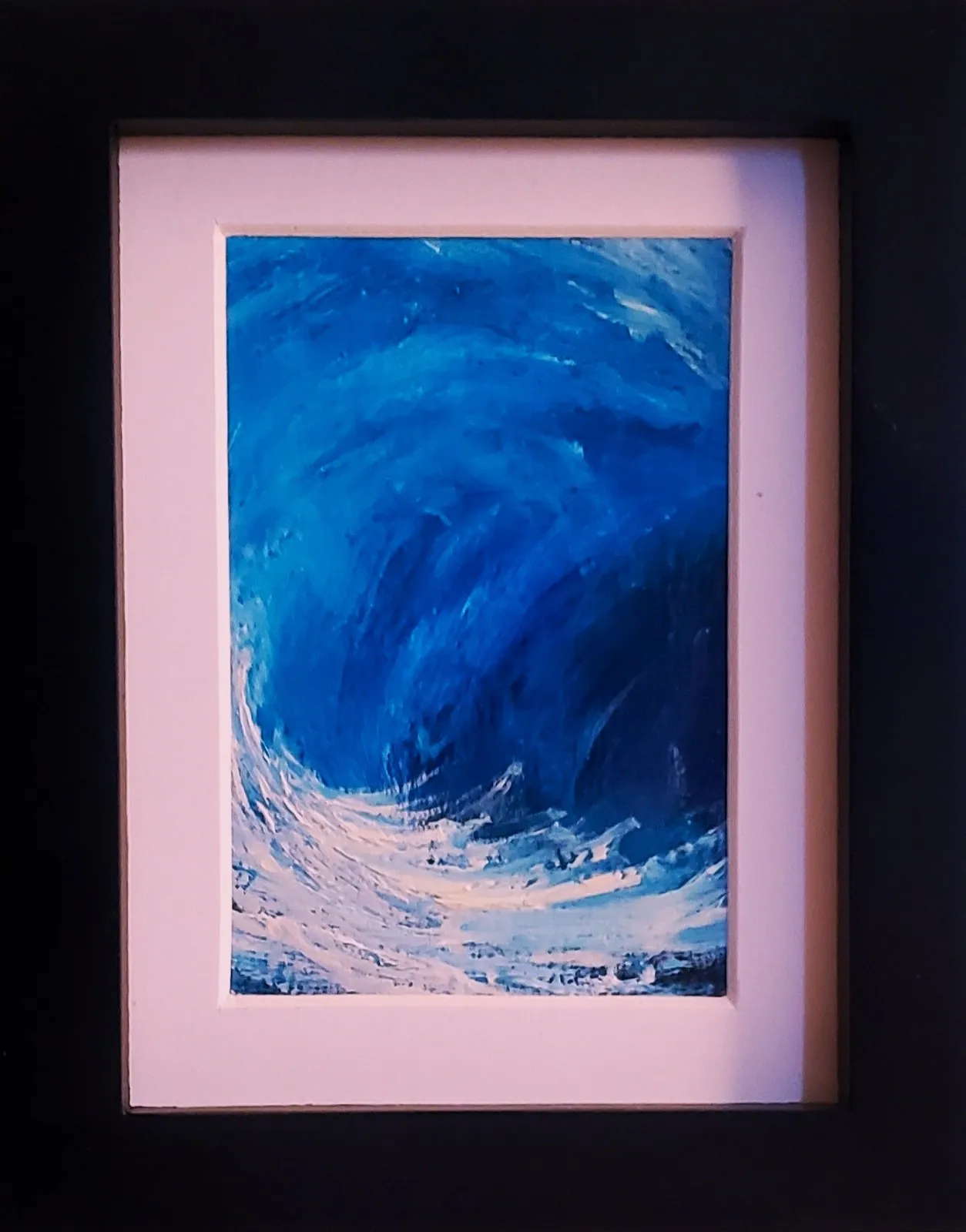
Art Collecting
How to Buy Art for the First Time: A Simple Guide
How to buy art for the first time, with practical steps for choosing a painting, checking size and condition, and confirming delivery.
Read the guide ↗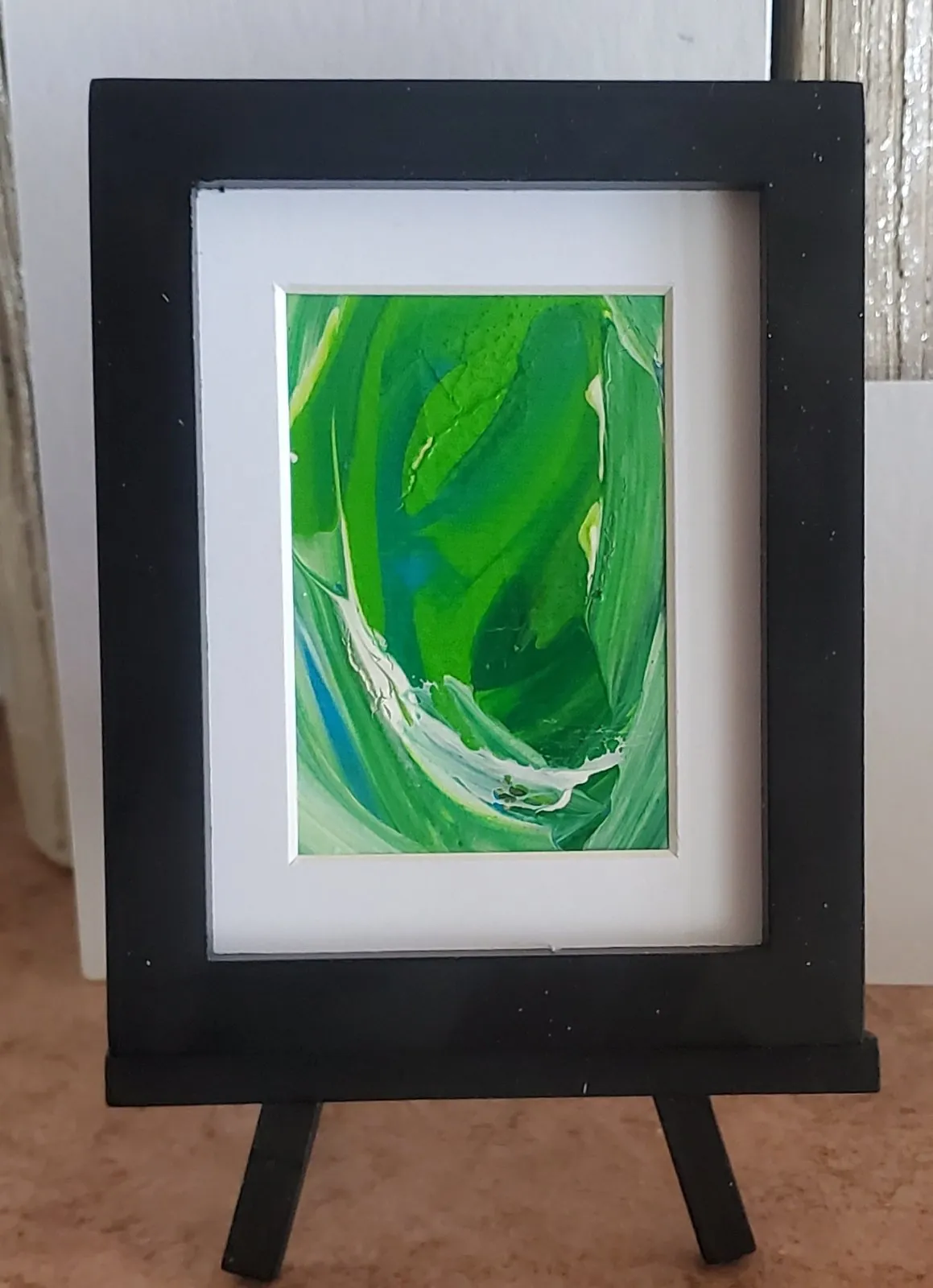
Art Collecting
How to Display Small Paintings: 7 Ideas That Work
Seven practical ways to place small paintings with confidence, from a single close-up moment to a more collected grouping.
Read the guide ↗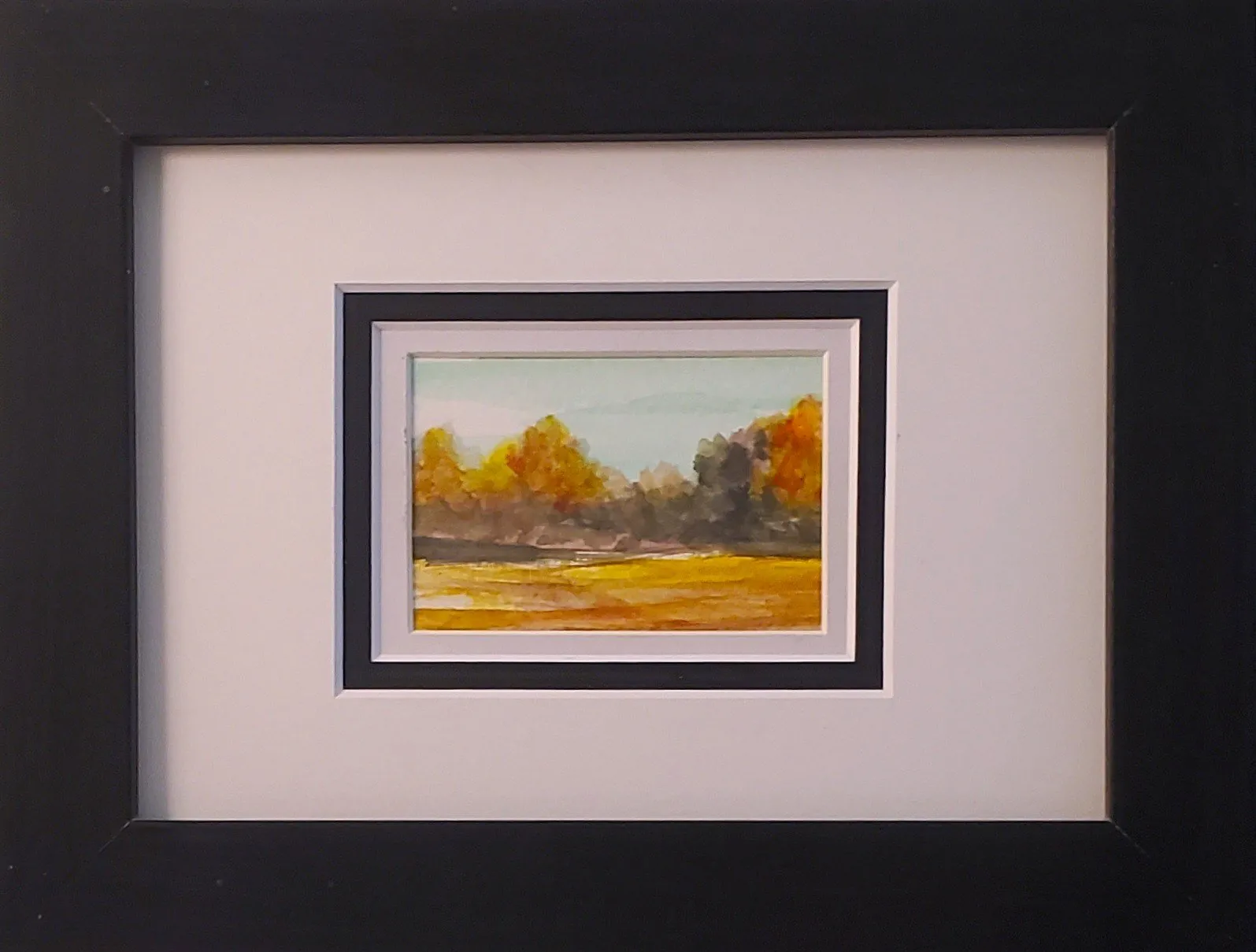
Art Collecting
How to Start an Art Collection for Beginners
A beginner's guide to starting an art collection, choosing a first piece, setting a budget, and buying original art with confidence.
Read the guide ↗