Art collecting
How to Clean a Painting Safely: What to Do and Avoid
How to clean a painting safely, from handling ordinary dust to knowing when a stain, spill, or damaged surface needs a conservator.
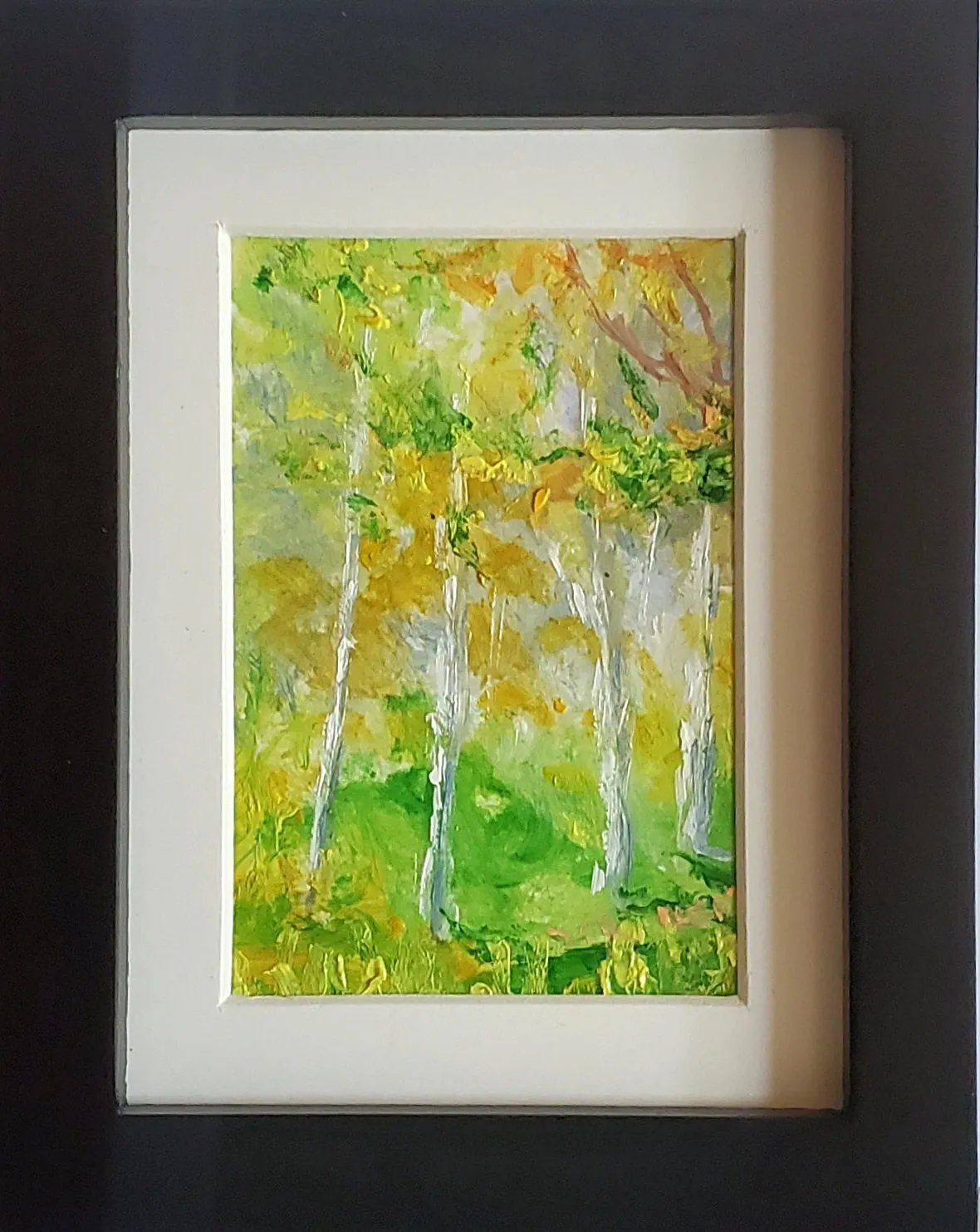
A little dust on a painting is ordinary. The instinct to make it disappear with a cloth, spray, or quick household remedy is also ordinary. It is just not a good bet. A painting is made of layers that can react very differently to moisture, pressure, and cleaning products, so the safest home approach is deliberately modest: protect it, inspect it, and leave anything beyond loose dust to a trained conservator.
That may sound cautious, but it is a useful kind of caution. Good care lets original art remain part of daily life without turning it into something untouchable. The goal is not to restore a painting at home. It is to prevent an easy cleaning job from becoming a permanent change to the surface you chose to live with.
1. Start by deciding whether the painting should be touched at all
Before doing anything, place the work somewhere with even light and look without touching the frame or surface. Is the issue only a light layer of dust? Or do you see a stain, sticky film, smoke residue, a drip, mold, cracking, loose paint, or a canvas that has slackened? Those are different problems, and they do not have one universal home remedy.
If paint looks raised, powdery, cracked, or as if it could lift away, stop. The same goes for a watercolor, pastel, or any work on paper that is not safely behind glazing. The Canadian Conservation Institute explains that surface cleaning and repairs depend on the materials and condition of a painting, and can cause lasting damage when attempted without that assessment. In other words, uncertainty is a reason to pause, not a reason to test a hidden corner.
It also helps to separate the painting from its frame. A dusty wood edge is not the same as a dusty painted surface. Fingerprints on glass are not the same as residue on watercolor. Once you name what you are looking at, it becomes easier to choose a careful next step instead of treating the whole object like ordinary household decor.
2. Skip water, sprays, wipes, and old household tricks
Do not put water, soap, polish, glass cleaner, vinegar, oil, bread, erasers, or household wipes on a painted surface. Do not spray cleaner nearby and hope it lands only on the frame. Liquids can run into edges or behind glazing, while rubbing can catch on texture or move material that looked stable a moment ago.
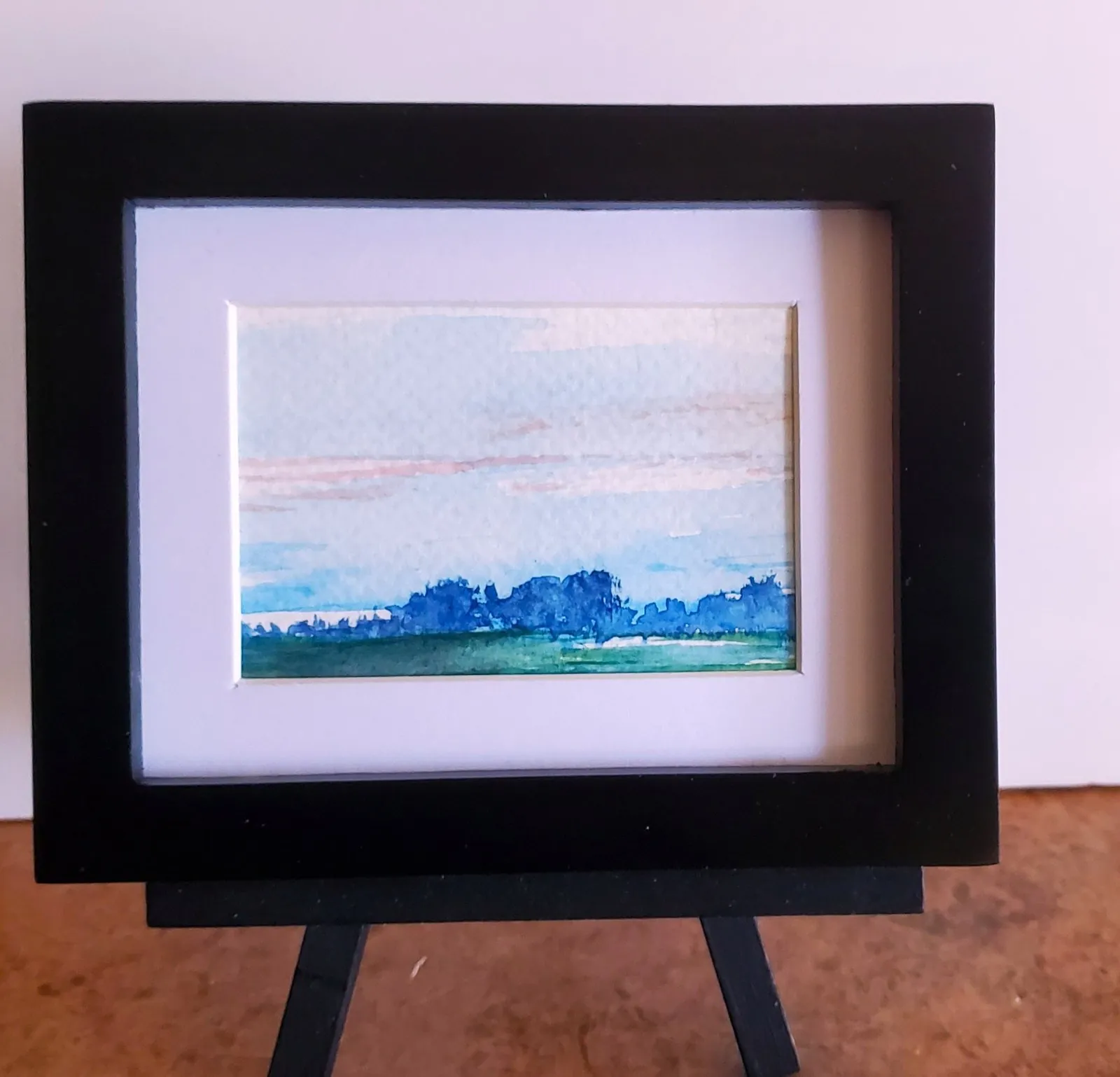
This is particularly important for modern work. Acrylic, oil, watercolor, mixed media, varnish, paper, canvas, and panel each respond differently. A surface that looks tough may include water-sensitive layers or an unvarnished finish. The Canadian Conservation Institute's cleaning precautions are clear that even careful cleaning by an untrained person can cause permanent damage.
There is no prize for making a painting look newly cleaned in an afternoon. Slight age, a modest layer of dust, or a frame that needs professional attention is usually less troubling than a rubbed patch, a water mark, or a changed varnish. When in doubt, leave the painted surface alone and focus on the conditions around it instead.
3. For stable dust, use the smallest possible intervention
If you have inspected the work and the paint looks secure, a light dry dusting may be appropriate. Work upright on a stable surface or with the painting securely hanging. Use a clean, very soft, dry natural-hair artist's brush reserved for art care. Hold the brush lightly and use slow strokes that let loose dust fall down and away.
Do not press into cracks, paint texture, or the corners beside the frame. Do not scrub until the surface looks brighter. Stop immediately if anything catches, shifts, flakes, or seems tacky. A vacuum, canned air, and a regular household duster are not substitutes. Strong suction and air can disturb fragile areas, while cloth fibers can snag on textured paint.
Keep the job short. The point is to remove loose dust, not to solve stains or grime. If there is still a visible film after gentle dry dusting, it is no longer a dusting decision. Put the brush down and arrange a conservator's opinion instead. That boundary is what keeps ordinary maintenance from crossing into treatment.
4. Clean glazing and the frame without endangering the artwork
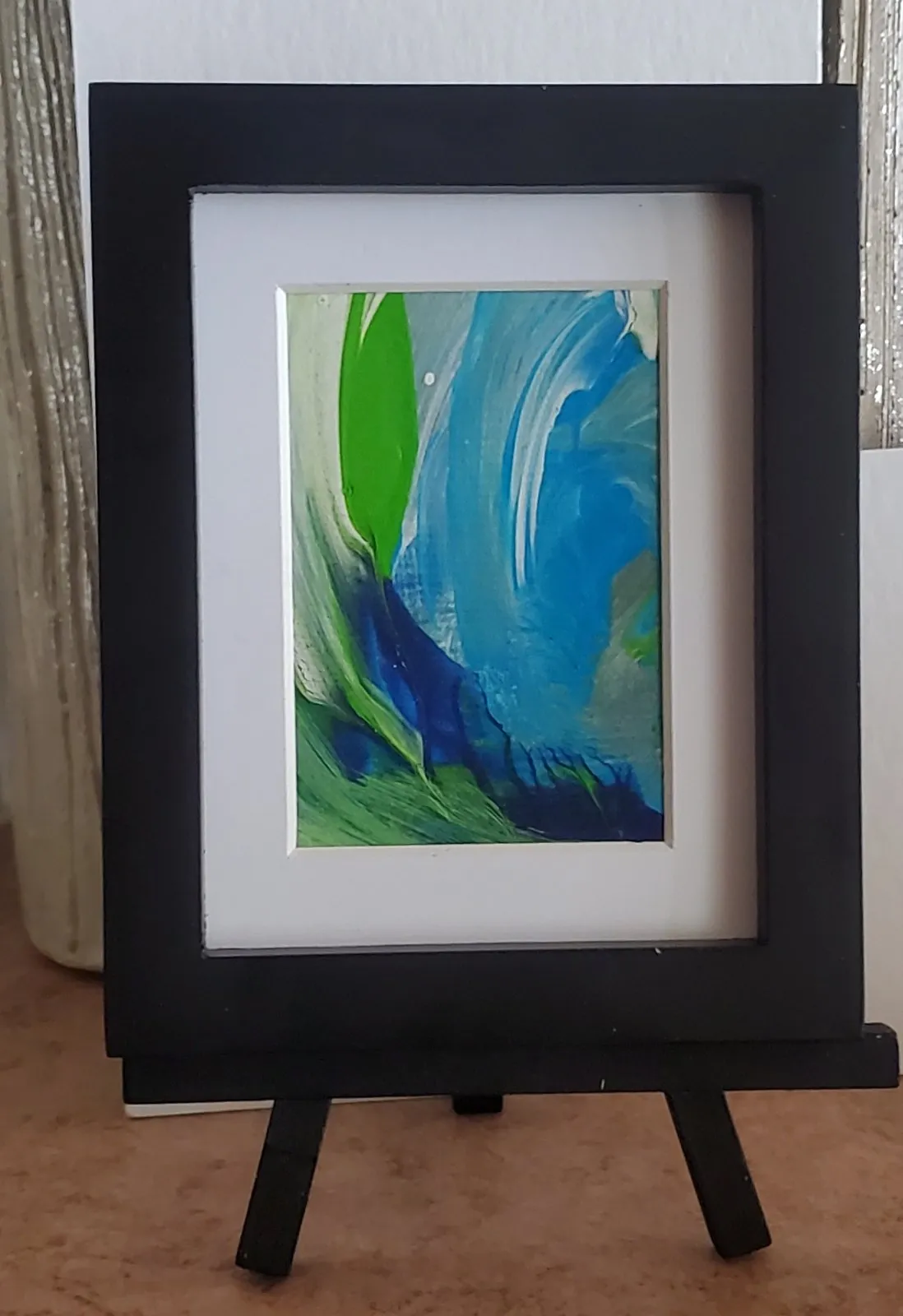
Framed watercolor and other work on paper often sit behind glass or acrylic. For fingerprints on the outside of that glazing, first make sure the frame feels secure. Apply a small amount of cleaner to a cloth well away from the art, then wipe only the outside surface. Never spray toward the frame, because liquid can find its way into seams and behind the glazing.
Keep the cloth just damp enough for the glazing, not wet. Avoid pressing at the frame's inner edge. If you see moisture, dust, spotting, or mold inside the frame, do not open it at home. A framer or conservator can assess the construction and reseal it without putting paper edges, mats, or the artwork itself at unnecessary risk.
A simple painted or wood frame can collect dust too, but ornate, gilded, cracked, or flaking frames are their own conservation problem. Use a soft dry brush for light loose dust only. Skip polish and furniture cleaner. A frame is not merely packaging, it is part of the work's presentation and can be more fragile than it appears.
5. Know the signs that call for professional help
Some situations deserve an immediate pause: a fresh spill, water staining, a musty smell, mold, soot or smoke residue, insect activity, a tear, a dented canvas, loose paint, or a frame that no longer holds the work securely. Photograph the issue in good light before moving the piece, then keep it away from direct sun, heat, and moisture while you seek advice.
Do not try to lift a stain with a cotton swab, tape down a lifting edge, or flatten a damaged canvas. The Smithsonian's Museum Conservation Institute notes that cleaning is an irreversible treatment and that water can affect some acrylic materials and colorants. A conservator has the training to identify what the surface is made of before choosing a treatment.
Professional help is also sensible for work with sentimental or financial value, even when the issue seems minor. A quick assessment can clarify whether the change is harmless age, a framing problem, or something that should be addressed soon. This is not overreacting. It is the same reasoning that leads a collector to ask careful questions before buying an original.
6. Prevent dirt before it becomes a cleaning problem
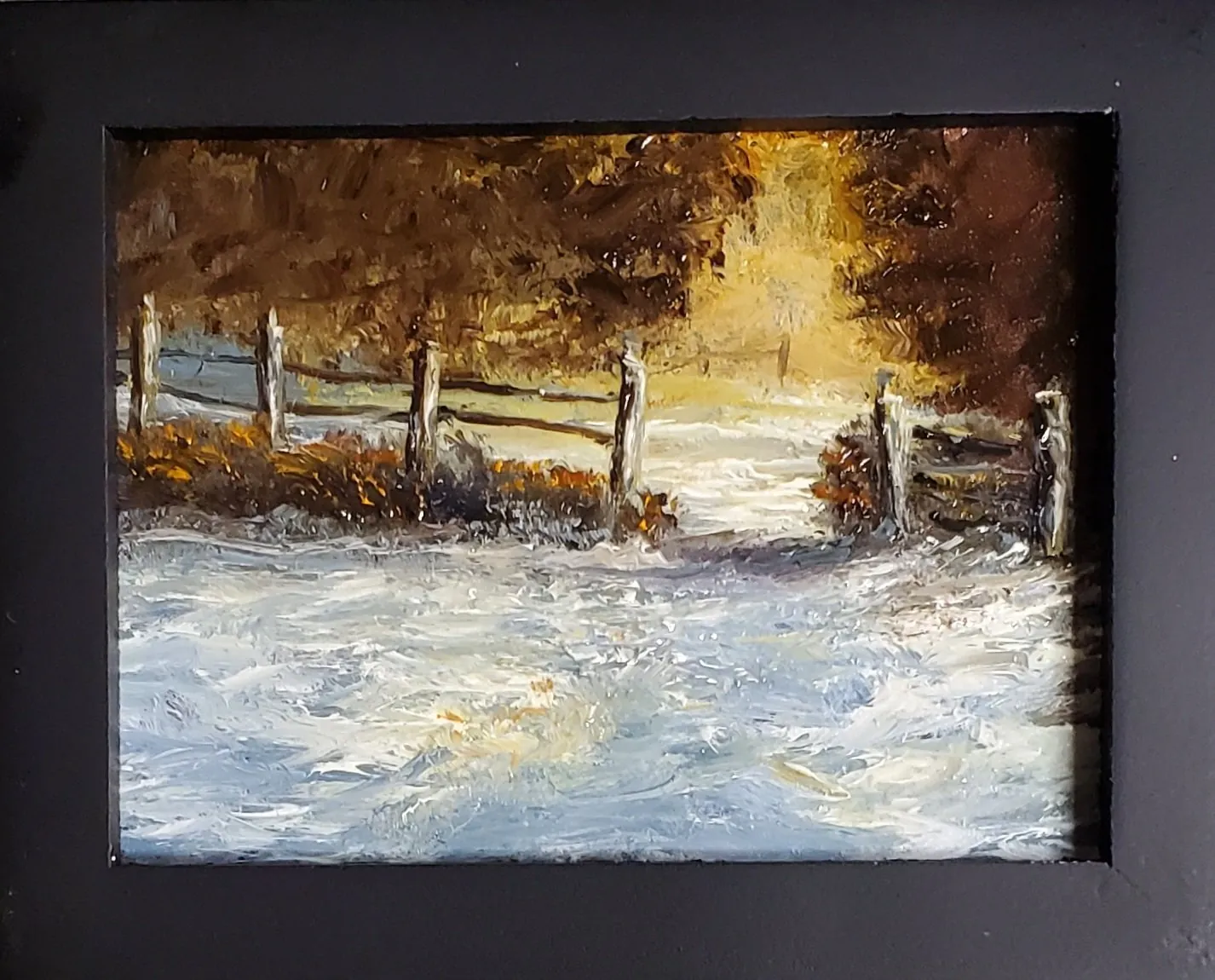
The best cleaning plan begins with placement. Keep paintings away from cooking grease, fireplace smoke, steam, dampness, and the narrow path of a door or chair. A stable wall in a living room, bedroom, hallway, or home office is usually kinder than a kitchen backsplash, bathroom, or spot above a radiator.
Light matters too. Direct sunlight can fade or change vulnerable materials over time, and heat can make the wall around a painting less stable. Fred's guide to protecting paintings from sunlight can help you assess a room before the work goes up. The simple rule is to choose a place that is comfortable for people, then avoid the strongest light, steam, and temperature swings.
Regular gentle housekeeping around the artwork helps. Dust shelves, mantels, and nearby furniture before dust can settle on the frame. Avoid cleaning above a painting, where particles or spray can fall onto it. When moving the work, carry it with clean, dry hands from both sides of the frame, never by its wire. Those small habits are more useful than any heroic cleaning session later.
7. Keep a simple care note with the painting
For an original you care about, keep its receipt, artist information, framed dimensions, and a few photographs together. Note when you acquired it, where it normally hangs, and any condition you notice before or after moving it. This does not need to be formal. A small envelope or digital folder is enough.
The record helps if you later need a framer or conservator, and it keeps ordinary changes from becoming a mystery. It also makes seasonal moves easier. A miniature painting can spend winter near a reading chair and summer in a gentler hallway without losing the story of how you have lived with it.
Care is not separate from enjoyment. The same attentiveness that tells you a frame needs dusting can help you notice the surface, color, and small details that first made you choose the work. If you are still finding a piece for a particular corner, the guide to choosing art for your home can help you start with the real conditions of the room.
A calm painting-care checklist
- Inspect first. Loose dust is different from a stain, a spill, or unstable paint.
- Keep liquids, cleaners, wipes, oils, erasers, and household remedies away from the painted surface.
- Only dry-dust a surface that looks stable, using a clean, soft natural-hair brush and almost no pressure.
- Clean only the outside of glass or acrylic, with cleaner placed on the cloth well away from the artwork.
- Stop and ask a conservator about flaking paint, mold, smoke, water, tears, loose canvas, or anything you cannot identify.
- Prevent future buildup with a stable, low-risk placement away from heat, steam, grease, direct sun, and daily knocks.
The safest approach to cleaning a painting is pleasantly unglamorous: do less, notice more, and bring in the right help when a surface needs more than dusting. That leaves the original work free to do its real job, giving you something worth looking at every day.
A close look
Original work for the places you notice every day.
Fred3 Mini Art offers original miniature paintings shaped by land, water, color, and imagined space. Explore the available work, see the watercolor collection, or contact Fred with a question before choosing.
Browse available workQuestions
Cleaning a painting FAQ
Can I wipe a painting with a damp cloth?
No. Do not use a damp cloth, household cleaner, water, or a wipe on a painted surface. Different paints, varnishes, and supports react differently, and moisture or rubbing can cause permanent change. Keep home care to careful dry dusting of a stable surface, or ask a conservator for advice.
What is the safest way to remove dust from a painting?
First look closely for loose, flaking, cracked, or raised paint. If the surface appears stable, hold the work upright and use a clean, soft, dry natural-hair brush with very light strokes, letting dust fall away. Stop if anything seems unstable, and never use a vacuum or canned air on the painting.
Can I clean the glass on a framed watercolor?
You can clean the outside of the glazing carefully, but keep liquid away from the frame and its edges. Put a small amount of cleaner on a cloth well away from the artwork, then wipe only the glass or acrylic. Never spray near the frame, because liquid can run behind the glazing.
When should I call a painting conservator?
Call a conservator before cleaning if you see flaking paint, mold, water damage, tears, a loose canvas, a sticky or powdery surface, smoke residue, or a stubborn stain. Professional assessment is also the right choice for valuable, older, or sentimental paintings.
Keep reading
Related posts
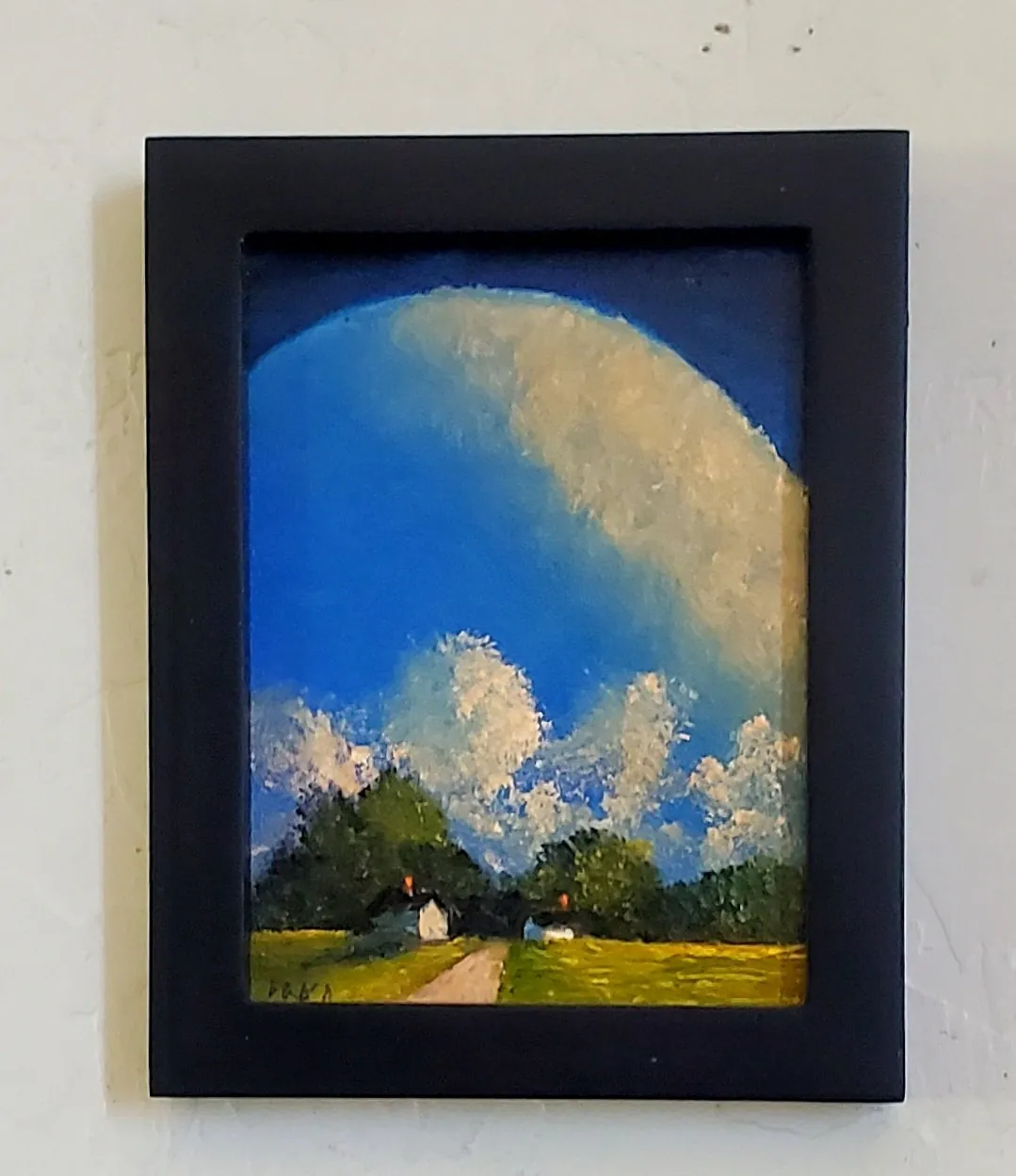
Art Collecting
How to Protect Paintings From Sunlight
A practical guide to placing and caring for paintings so light remains part of the pleasure, not a source of avoidable damage.
Read the guide ↗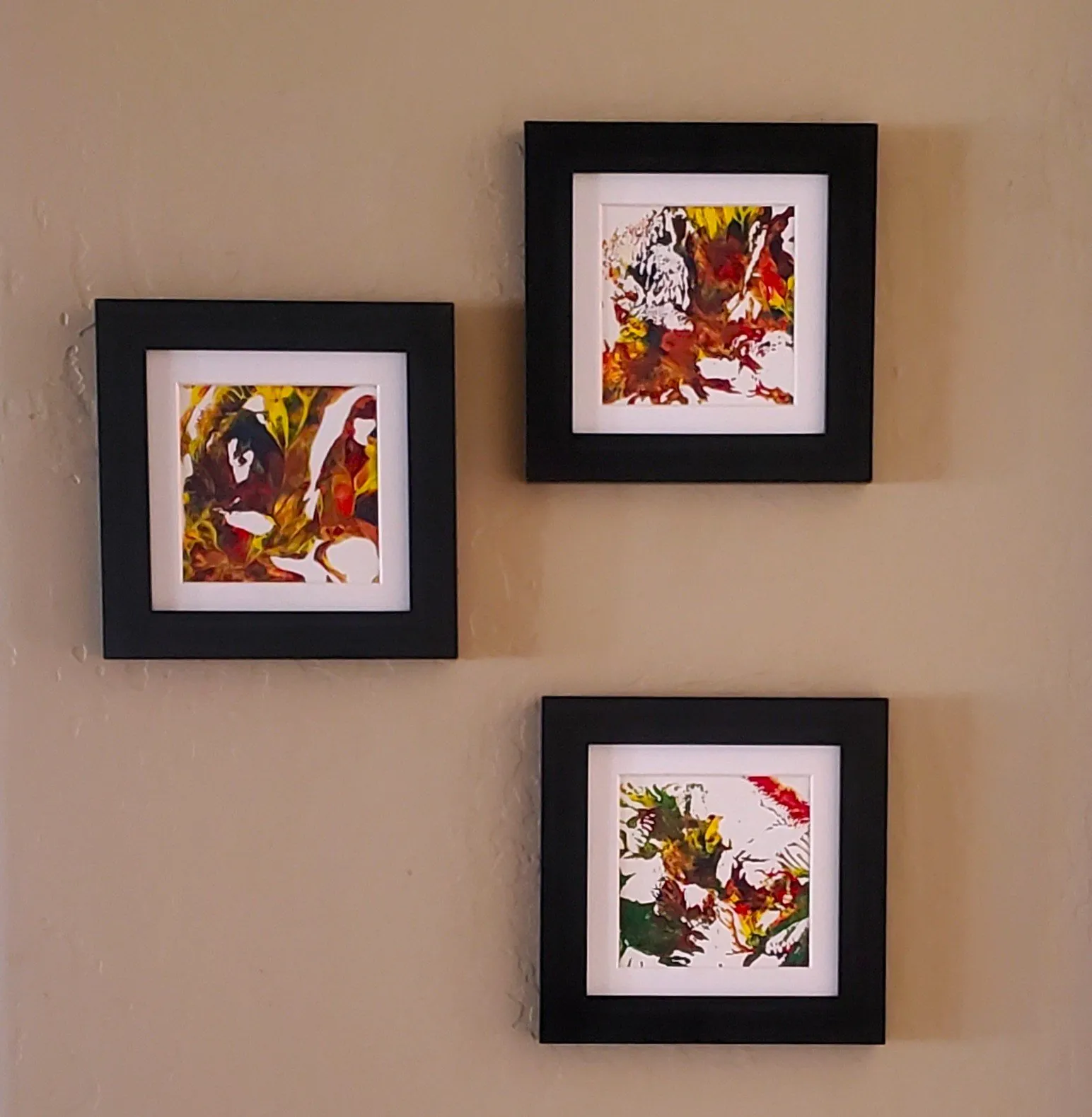
Art Collecting
How to Frame a Painting: A Guide for Small Original Art
A practical guide to choosing a frame, mat, glazing, and hanging plan that lets a small original painting hold its place at home.
Read the guide ↗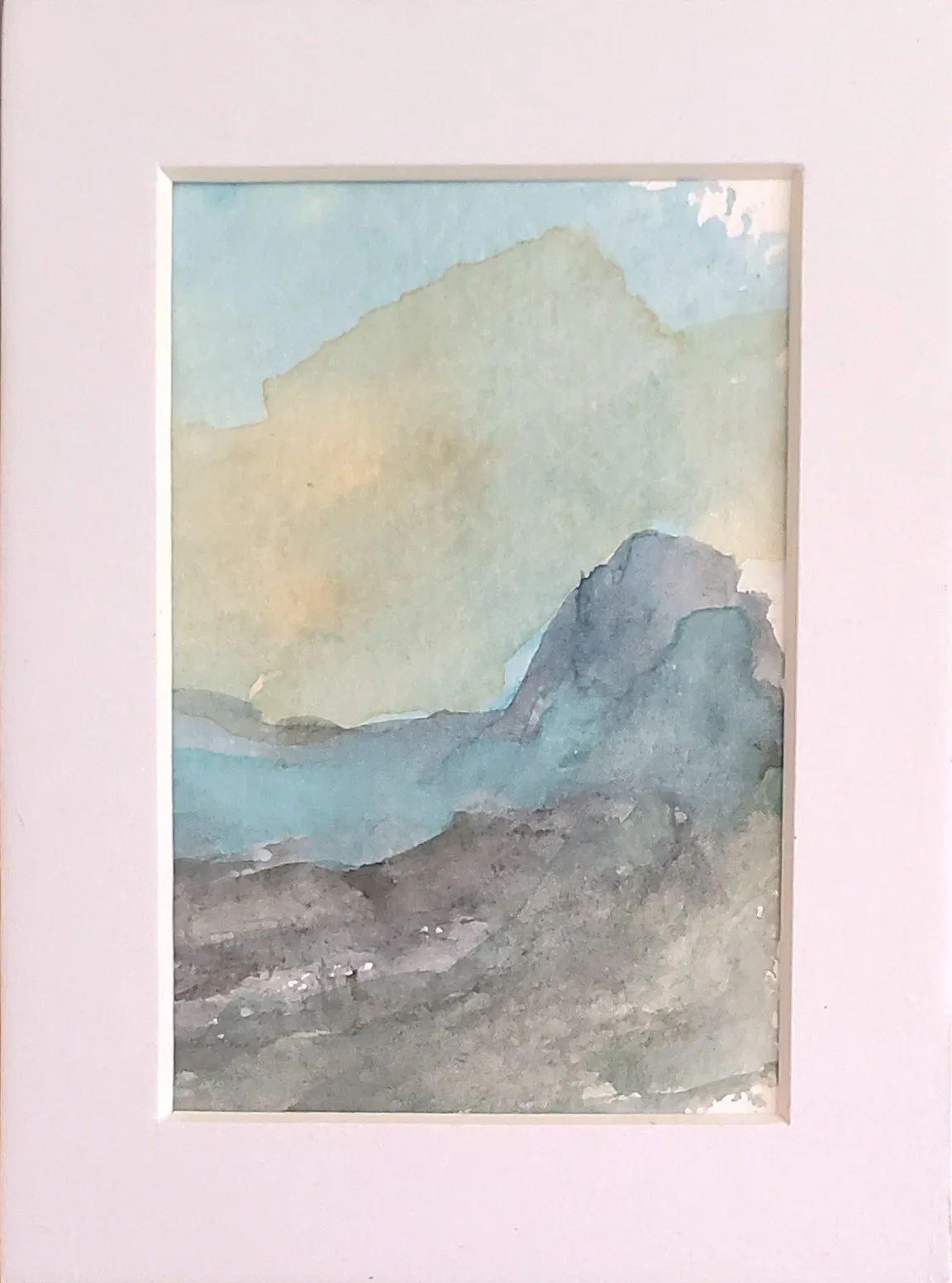
Art Collecting
How to Hang a Painting: A Guide for Small Original Art
How to hang a painting with the right height, spacing, hardware, and placement for a small original work.
Read the guide ↗