Art collecting
Art Above a Sofa: A Practical Guide to Size and Height
A practical guide to choosing art above a sofa, including proportion, hanging height, groupings, and a simple way to test the wall before committing.

The wall above a sofa carries a lot of visual weight. It sits at the center of the room, often across from the place where you relax, talk, read, or welcome people in. The right art can make that seating area feel gathered and intentional. The wrong proportion can make even a good painting look lonely, high, or accidentally small.
There is no single perfect measurement for every sofa and every room. Still, a few practical relationships make the decision much easier: the width of the sofa, the outside dimensions of the frame, the gap above the cushions, and the way the arrangement looks from where you actually sit. Start there, then use your eye before you make a hole in the wall.
1. Let the sofa set the scale
When you choose art above a sofa, measure the sofa first, from arm to arm. The furniture is the anchor for this wall, so it matters more than the width of the empty wall around it. A useful starting range is for one painting, or the outer edge of a whole arrangement, to span about two-thirds to three-quarters of the sofa width.
On a 72-inch sofa, that means roughly 48 to 54 inches of visual width. That could be one substantial landscape, three framed works in a row, or a small gallery with a clear outer shape. The measurement includes frames and the spaces between grouped works. It is not a commandment. It is simply a way to make the art and furniture feel like they belong to the same conversation.
Scale often goes wrong in one direction: a small piece is centered carefully, but it still reads like a postage stamp above a broad sofa. The answer is not always a giant painting. A larger frame, a pair, a horizontal row, or a planned grouping can give a smaller work enough presence. What matters is the total composition, not just the size of one image inside its frame.
2. Start low enough to connect the art to the sofa
For an empty wall, people often begin around standing eye level. Above a sofa, the furniture changes the decision. The art should relate to the seating below, not float in a separate band near the ceiling. A good starting point is to place the bottom edge of the frame around 6 to 8 inches above the top of the sofa back.
That gap is a starting point rather than a rule. A tall sofa back may call for a little more room. A low-backed sofa, a low ceiling, or a small grouped arrangement may look better closer to the furniture. The test is visual: step back to the place where you normally sit or enter the room. If the artwork and sofa read as one calm composition, you are close. If a wide empty stripe splits them apart, lower the work.
Resist the instinct to hang art higher just because the ceiling is tall. The sofa is still the reference point. Most current decorating guides arrive at the same useful conclusion: proportion and connection matter more than filling all the vertical wall space. Your room gets to have blank wall. The art only needs to hold the place it has chosen.
3. Decide whether one work, a pair, or a group suits the wall
A single painting gives the room one clear focal point. It works best when the framed piece has enough width or visual presence to balance the sofa. A horizontal landscape, a large abstract, or a strong framed work can make the choice feel simple and quiet.
A pair can create rhythm without becoming busy. Keep the frames related, use the same top or center line, and leave a measured gap between them. The pair should still read as one overall shape when you look from across the room. If the gap is too wide, the works drift apart. If it is too narrow, they begin to compete for the same space.
A group is where miniature originals can be especially rewarding. Small paintings invite close looking, but above a wide sofa they usually need company. Choose a shared thread: a landscape sequence, related watercolors, matching frame finishes, or a restrained color story. Lay the arrangement on the floor first. Then tape paper outlines to the wall and judge the group as a whole before the individual pieces take over your attention.
4. Use the frame, not only the picture, when you measure
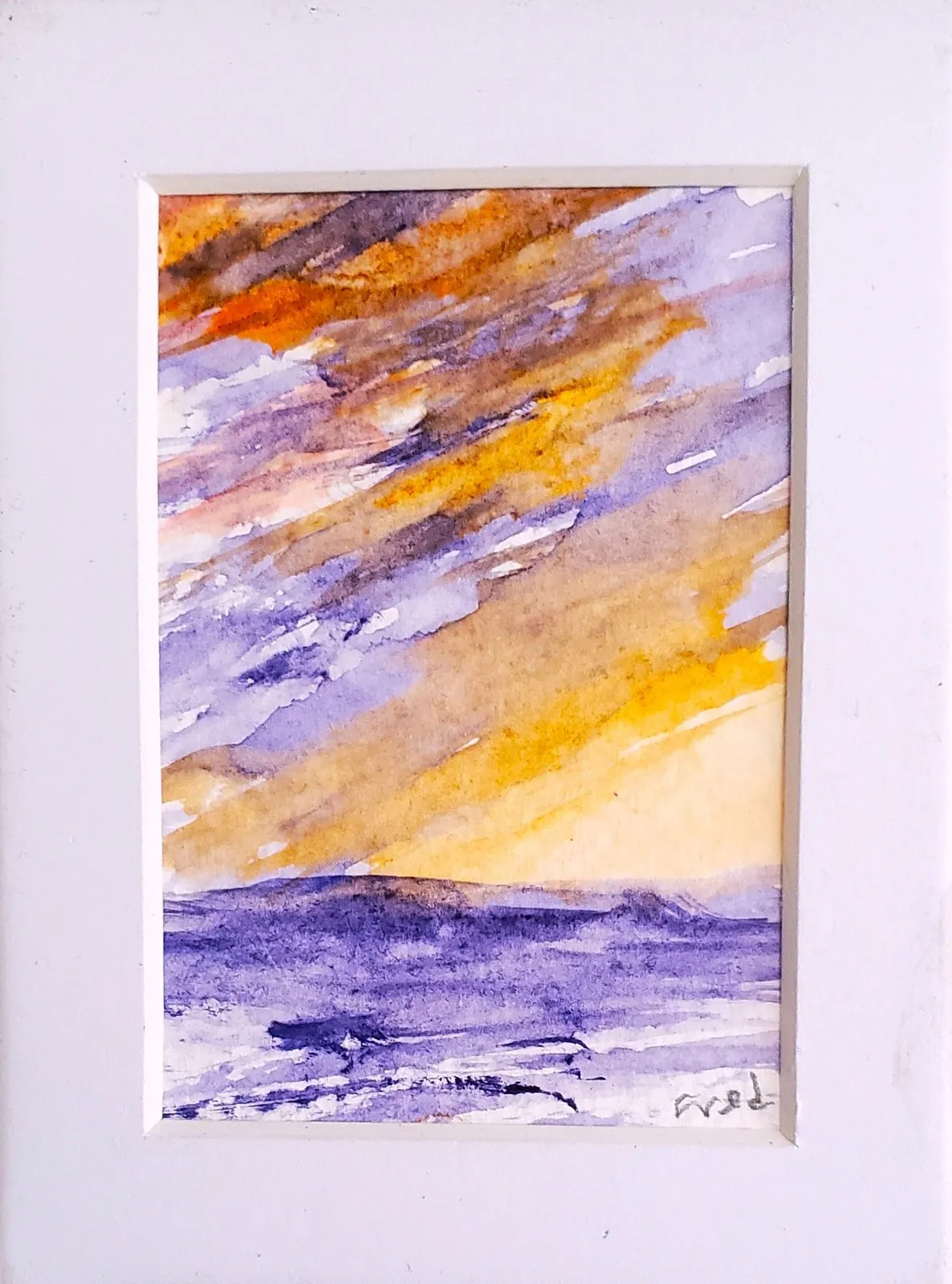
The artwork itself may be small while the finished framed piece has enough presence for a larger wall. This is especially true for a watercolor or miniature painting with a mat. The frame gives the work a boundary, protects it, and creates breathing room around the image. Measure the outside dimensions you will actually hang, not the painted area alone.
That is why a small original can be a beautiful part of a sofa-wall arrangement without pretending to be a mural. A generous mat, a considered frame, and a relationship with other works can turn compact art into a close-up detail inside a broader composition. The room gets a focal point, and the painting still has room to be noticed on its own terms.
If a frame choice is still open, first decide whether you want the wall to feel quiet, graphic, warm, or collected. A simple wood or dark frame can give a group continuity. A lighter mat can add presence around a compact image. Fred’s guide to framing a painting explains how the medium, protection, and proportions of the frame work together.
5. Make a full-size test before you commit
Painter’s tape is one of the best tools for this decision. Mark the outside edge of a single frame, or tape a paper outline for every piece in a group. Include the spaces between works. Then view the wall from the doorway, from the sofa, and from the place where you most often cross the room.
Leave the outline up for a day if you can. The first glance tells you whether the arrangement feels balanced. The next few glances tell you whether it still feels right in ordinary life. You may discover that the group wants to be a little wider, that the bottom edge needs to come down, or that one vertical piece would be better traded for a second small work.
This rehearsal also keeps the decision from becoming expensive or frustrating. It is easier to move tape than to patch several holes. The same full-size test is useful whenever you are choosing art for a new room, and it pairs well with the Journal’s broader guide to choosing art for your home.
6. Center on the sofa, then adjust for the room you have
In most rooms, center the art or arrangement on the sofa, not on the wall. The sofa and artwork should feel aligned even when the wall extends much farther on one side. This is particularly helpful in a room with a window, doorway, or floor lamp nearby, where centering on the full wall can leave the seating area looking off balance.
There are exceptions. A sectional may need an arrangement centered over the longest visual run of seating rather than the full footprint. A fireplace, built-in shelf, or bold window can create a different center of gravity. Start with the sofa anyway. Then stand back and make one deliberate adjustment if the architecture asks for it. Randomly chasing the middle of every surface usually makes a room feel less settled, not more.
Remember that people see the wall seated as well as standing. The view from the sofa matters most because it is the one you will live with. Check that the bottom edge is not uncomfortably high, the art does not feel squeezed by a lamp or molding, and the frame is level against the lines of the furniture.
7. Choose hardware that respects the finished frame
Once the placement feels right, turn to the practical part. Use hanging hardware rated above the full framed weight and suited to your wall material. Do not judge by the size of the painting alone. Glass, a mat, and a substantial wood frame can make a compact original heavier than it appears.
Measure the distance from the top of the frame to the actual hanging point before marking the wall. A wire sits lower when it takes the frame’s weight, while D-rings create a more fixed point. This measurement is what translates the height you planned for the frame into the right position for the hook.
For wider frames or a grouped installation, two hooks can help keep a work level and distribute support. The International Association of Marine Aids to Navigation and Lighthouse Authorities’ display guidance similarly recommends two hooks for framed work when practical. If you are uncertain about an especially heavy frame, masonry, plaster, or an unfamiliar wall, a professional framer or installer is a sensible extra pair of eyes.
8. Let the art serve the room, not a decorating rule
The best art above a sofa gives you a reason to look up. It may bring the colors in the room into conversation, introduce a landscape that opens a compact space, or add a small, surprising detail to an otherwise quiet wall. It does not need to match every pillow or fill every inch.
Original art has a particular advantage here. A piece can be modest in scale and still carry a visible hand, surface, and sense of attention that a room rewards over time. A single miniature might be the intimate note within a larger arrangement. A group of small originals can become a wall with more to discover than one oversized image alone.
When you are ready to place a piece, use the proportion guide, the tape outline, and the view from the sofa. Then trust the room. If the art feels connected to the furniture, easy to see, and like something you want to keep noticing, it is doing its job.
A simple art-above-sofa checklist
- Measure the sofa from arm to arm before choosing the artwork or full arrangement.
- Aim for a total visual width around two-thirds to three-quarters of the sofa width, then adjust for the room.
- Begin with the bottom of the frame about 6 to 8 inches above the sofa back.
- Center on the sofa first, not automatically on the whole wall.
- Include frames and gaps when you measure a pair or gallery grouping.
- Test the complete outline with painter’s tape or paper before hanging.
- Use hardware suited to the framed weight and the wall itself.
A close look
Original art for the rooms you live in.
Fred3 Mini Art offers original miniature paintings shaped by land, water, color, and imagined space. Explore the available work, see the landscape collection, or contact Fred with a question before choosing.
Browse available workQuestions
Art above a sofa FAQ
How wide should art be above a sofa?
A helpful starting point is for one artwork or the full arrangement to span roughly two-thirds to three-quarters of the sofa width. Treat it as a visual guide, not a rule. The room, the sofa height, frame proportions, and the amount of breathing room around the work all matter.
How high should art hang above a sofa?
Begin with the bottom of the frame around 6 to 8 inches above the sofa back, then step back from the main seating position. The artwork should feel connected to the sofa rather than floating high on the wall. Tall sofa backs, low ceilings, and grouped arrangements can call for a small adjustment.
Can small paintings work above a sofa?
Yes. A single miniature is usually too intimate to fill a broad sofa wall alone, but a purposeful pair, row, or small gallery can look striking. Give the group one overall outer shape, consistent gaps, and enough total width to relate to the furniture below.
Should I center art on the sofa or on the wall?
Usually center the artwork or arrangement on the sofa, because the two should read as one composition. A very unusual room, a sectional, or a nearby architectural feature can justify a visual adjustment, but the sofa is the most reliable starting point.
Keep reading
Related posts
Art Collecting
How to Display Small Paintings: 7 Ideas That Work
Seven practical ways to place small paintings with confidence, from a single close-up moment to a more collected grouping.
Read the guide ↗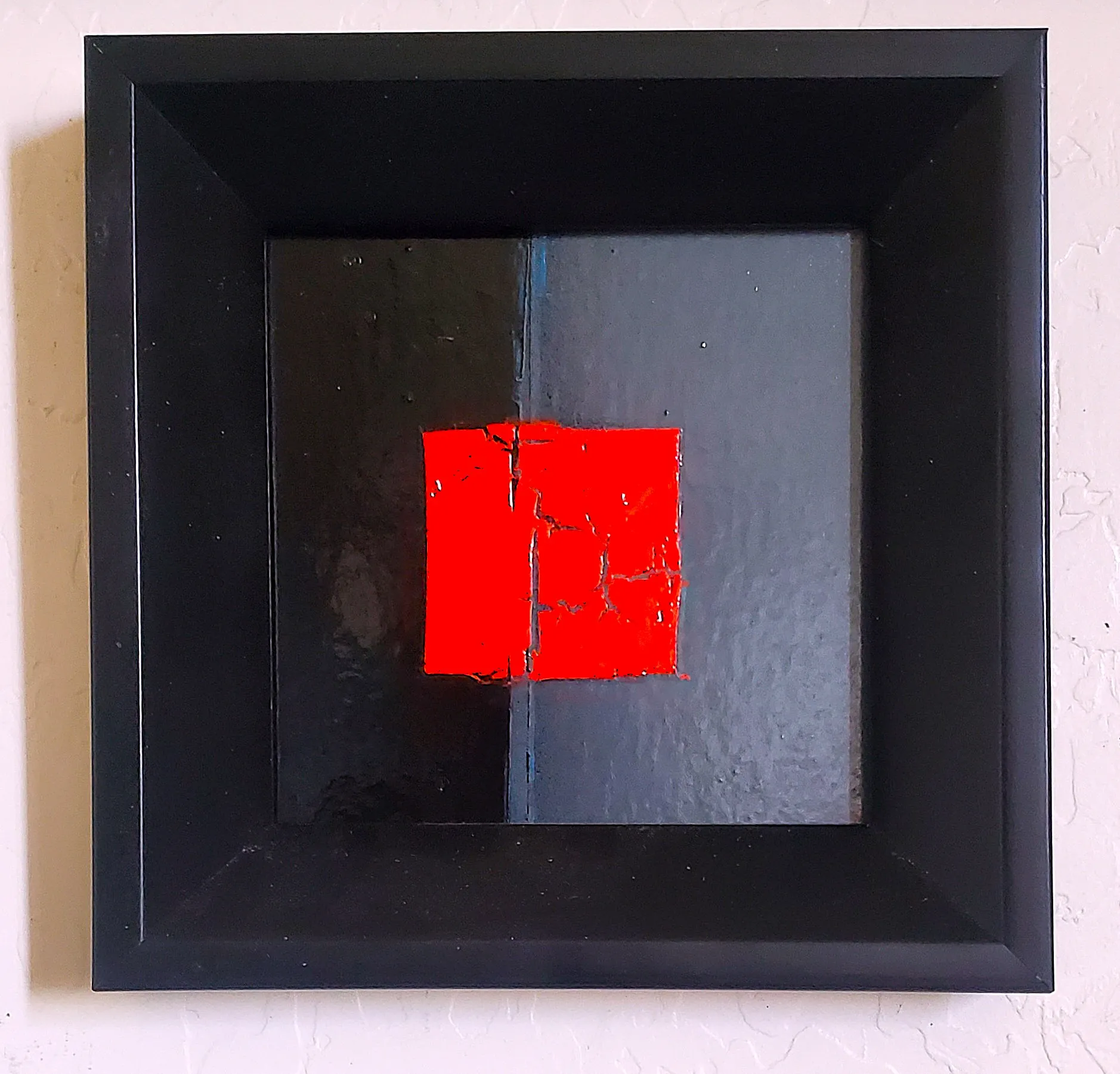
Art Collecting
How to Choose Art for Your Home
A practical way to choose art that feels personal, works with your space, and keeps rewarding a closer look.
Read the guide ↗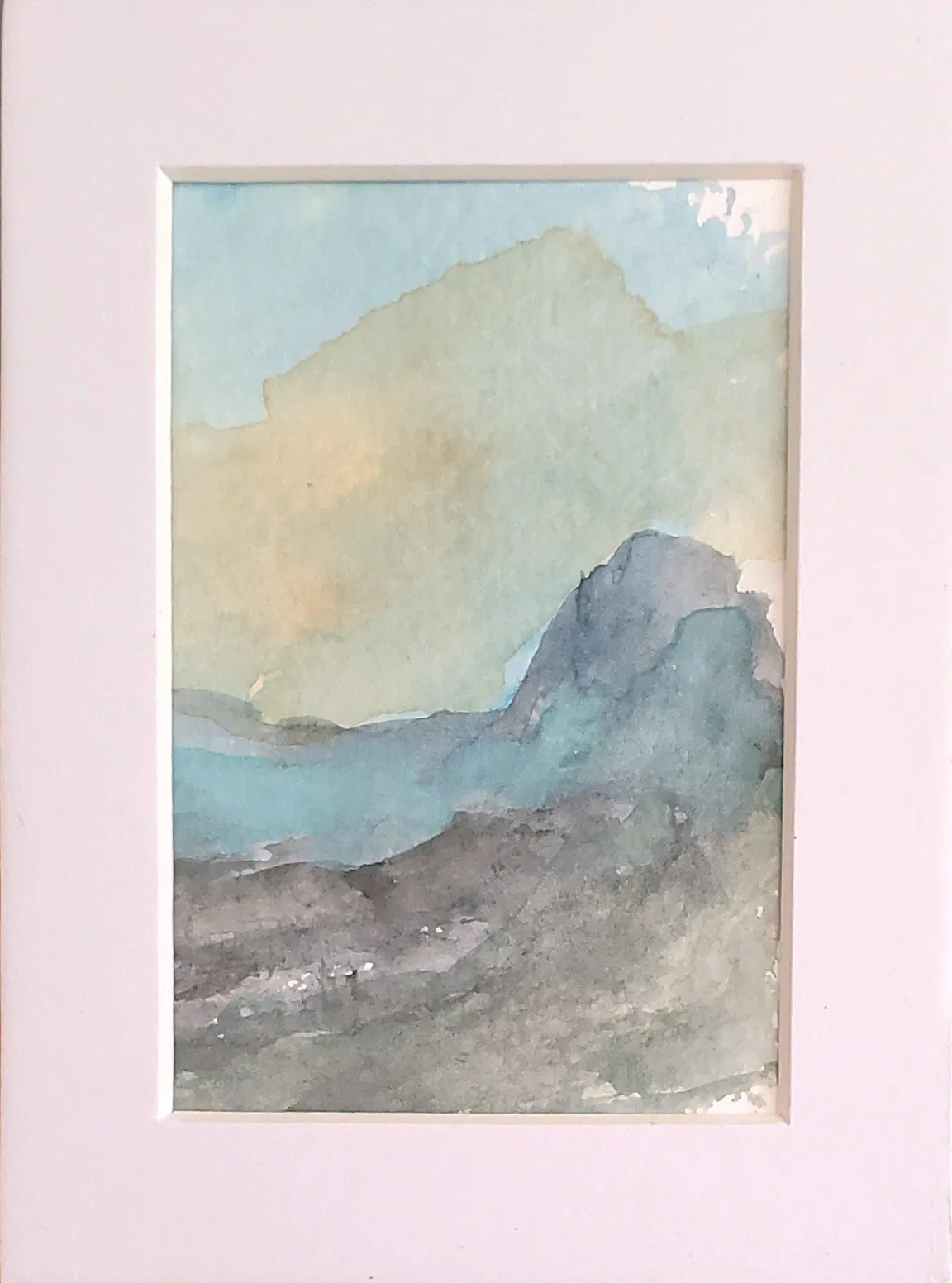
Art Collecting
How to Hang a Painting: A Guide for Small Original Art
How to hang a painting with the right height, spacing, hardware, and placement for a small original work.
Read the guide ↗