Art collecting
How to Tell If a Painting Is Original
A practical guide to checking the artwork, its listing, and its history before you buy an original painting.
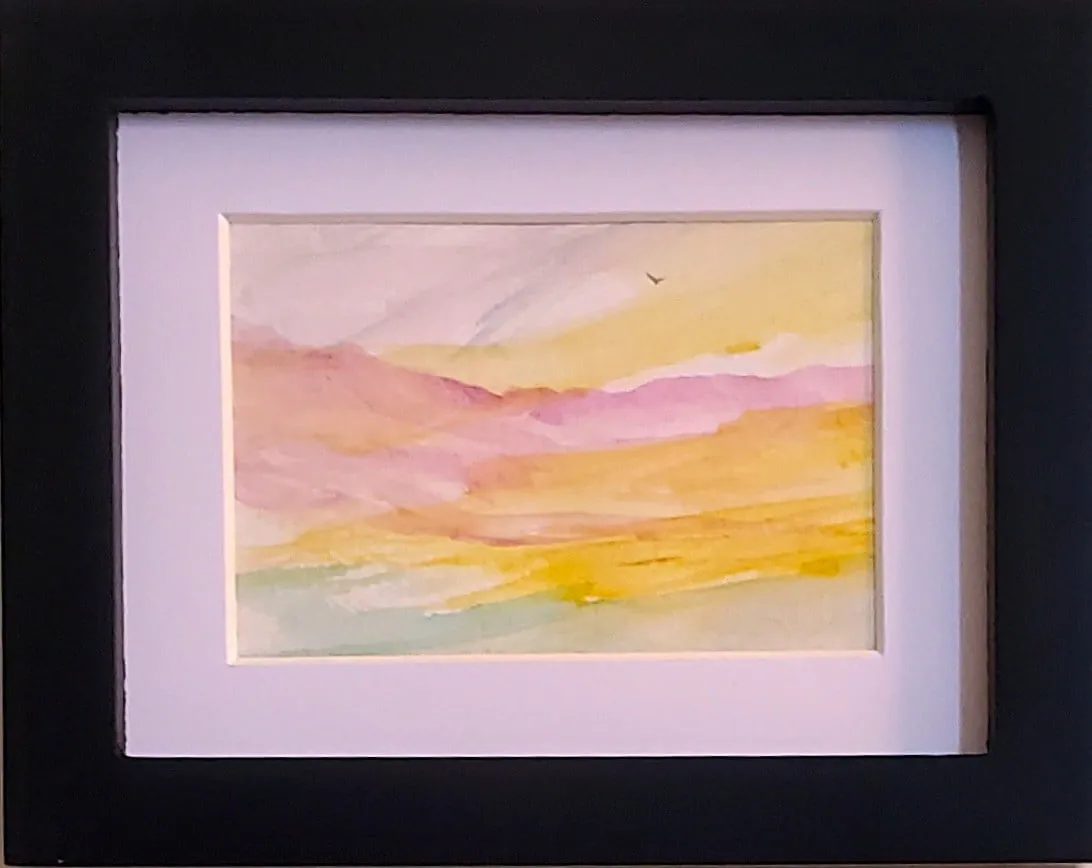
The word original gets used loosely in art listings. Sometimes it means a painting made by hand. Sometimes it means a work made by a particular artist. Sometimes it is used beside a print, an open edition, or a reproduction without explaining the difference. A good purchase starts by slowing down long enough to ask which meaning applies, then gathering enough evidence to feel settled.
You do not need to become a detective before buying a small painting you love. You do need to look past a polished thumbnail. A careful listing, a direct seller, honest images, and clear paperwork are usually more useful than one dramatic clue. For a larger purchase, an older work, or a piece attributed to a well-known artist, it is sensible to go further and seek an informed professional opinion.
1. Start by defining what "original" should mean
An original painting is a singular work made by an artist. It may be oil, acrylic, watercolor, gouache, tempera, ink, or mixed media. You are buying the physical object with its particular marks, layers, and small variations. A print is different. It is an authorized reproduction of an image, often made as an edition, and it can be a very good way to bring art into a home. It is simply not the same object as the original painting.
There is another important distinction. A hand-painted copy may have brushstrokes, but that does not make it an original work by the artist whose image it copies. Likewise, a painting described as "in the style of" an artist is not the same as a painting attributed to that artist. Read the wording closely. A responsible seller should say whether the work is original, a print, an edition, a reproduction, or an unsigned decorative painting.
Look for plain facts before poetic language: the artist's name, title, medium, dimensions, date when known, condition, and whether the work is framed. Those details give you something concrete to compare with the photos. They also make the artwork easier to insure, frame, display, and remember after it comes home.
2. Look closely at the surface, but do not overread it
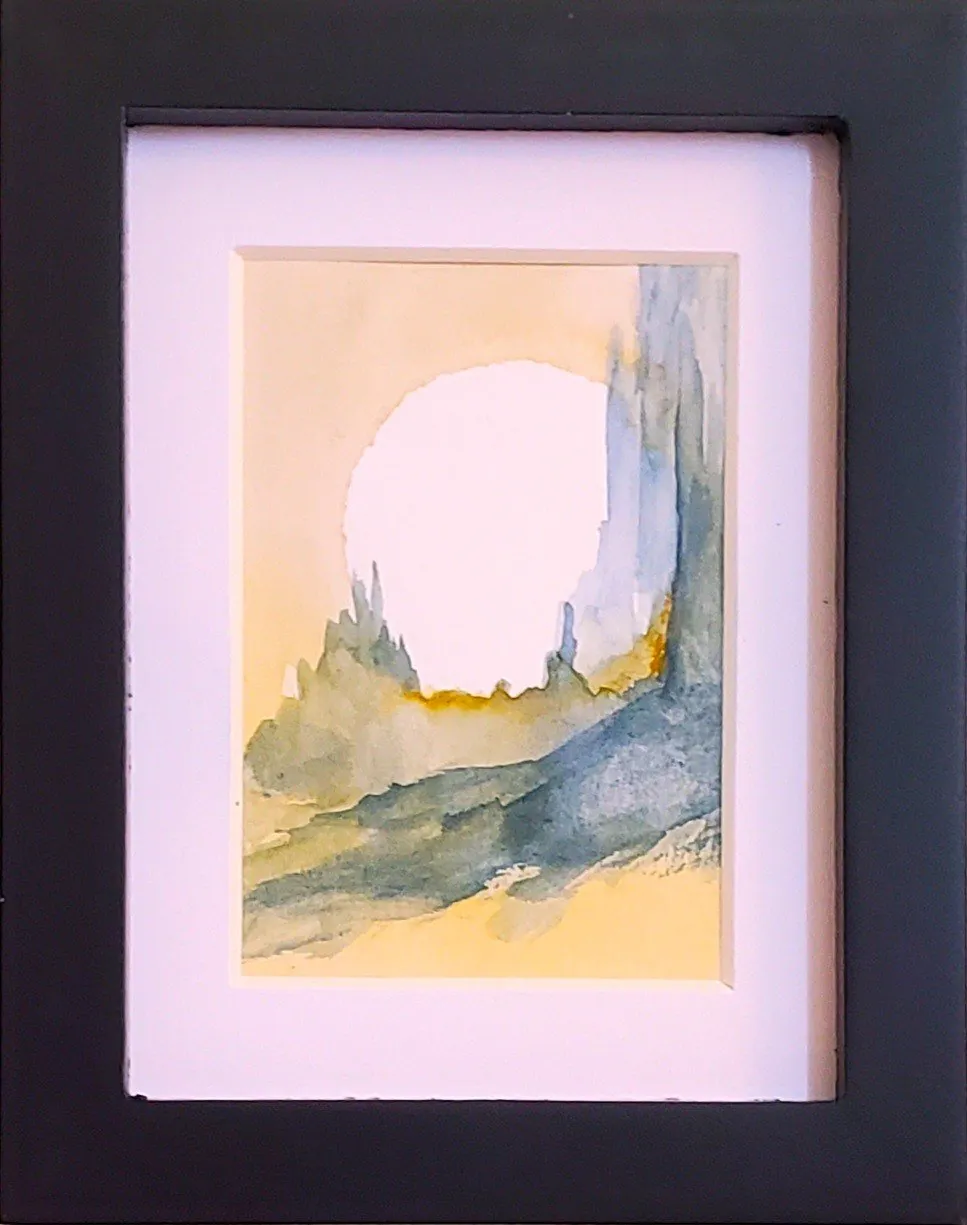
Good close-up images can tell you whether you are looking at paint, paper, board, or a printed surface. In an original oil or acrylic painting, you may see changes in thickness, brush direction, texture, or small areas where the underlying surface shows through. In watercolor, the clues can be quieter: washes may settle differently across the paper, pencil notes may be visible, and the edge of the painted area may feel less uniform than a printed image.
A print often has more even color, repeated dot patterns, or a consistent flatness under magnification. The paper may have a margin, edition number, title, or signature. None of those things are bad. They simply belong to a different type of artwork. Ask the seller for a close image of a corner, the signature area, and the work in raking light if the listing does not already show them.
Still, surface evidence has limits. A photograph can hide texture, and many original works are intentionally smooth. Some prints are richly made and difficult to judge from a phone screen. Some paintings have been cleaned, restored, or framed in a way that hides useful details. Treat the surface as a useful first check, not a final verdict about authorship.
The most reliable way to understand a contemporary work is often to buy directly from the artist or from a seller who represents that artist clearly. You can then compare the listing with the artist's own work, ask direct questions, and keep the record of the sale together with the painting.
3. Ask to see the front, back, and edges
The front of a painting tells you why you are interested in it. The back can tell you how it has lived. Labels, gallery stickers, inscriptions, stamps, stretcher marks, and older framing details may help build a picture of its history. Christie's guide to what to look for on the back of a painting shows why these less visible details are worth recording, especially for older work.
Request images that are sharp enough to inspect. For a canvas, ask to see the back, the stretcher, and the edges. For work on paper, ask whether it is mounted, matted, or hinged, and whether there are notes or labels on the reverse. For a panel, ask for the edges and back. If a seller has no additional images, that is not automatic proof of a problem. It is simply a reason to pause until they can provide a clearer answer.
Do not remove a painting from a frame or backing yourself just to search for clues. A frame, mat, or old tape may be doing real protective work, and careless handling can cause damage. Ask the seller to provide the information first. If the work is important enough to warrant an inspection, have a qualified framer, conservator, or appraiser advise on the safest way to examine it.
4. Build the paperwork into the purchase
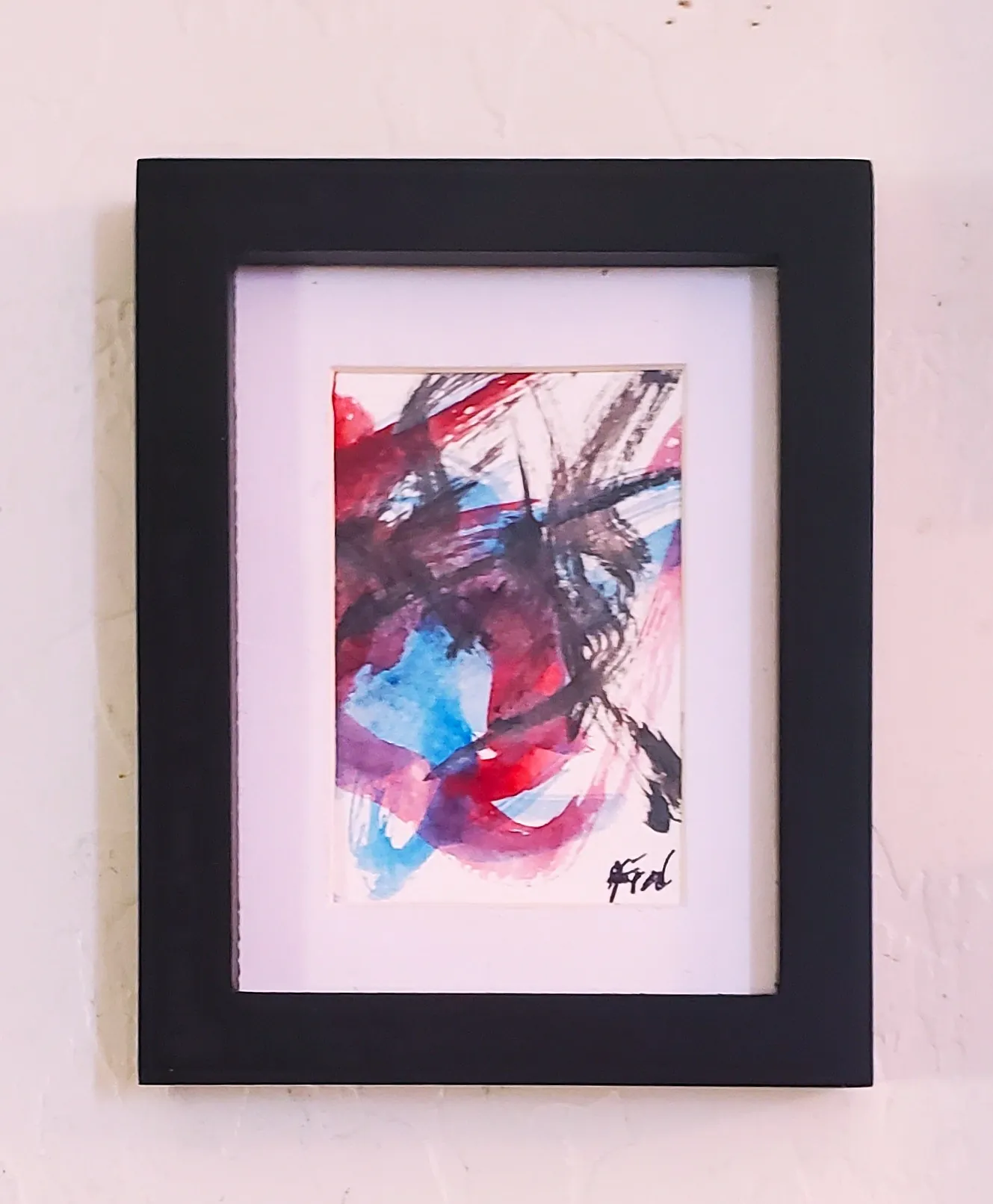
Documentation is not glamorous, but it is part of buying art well. Keep the receipt, listing description, emails or messages with the seller, and any certificate that comes with the work. Save a copy of the listing images, too. If the piece is delivered, photograph it when you unpack it and note its condition. These records make it easier to remember what you bought and useful to have later for insurance, resale, framing, or estate planning.
For a contemporary painting purchased from the artist, the record can be simple: a dated receipt identifying the artist, title, medium, dimensions, and price, plus a note that the work is original. A certificate of authenticity can be helpful when it comes directly from the artist, estate, gallery, or established seller and accurately describes the piece. It should support the other evidence, not replace it.
For older work, the ownership history is often called provenance. It may include gallery labels, exhibition catalogues, auction records, prior invoices, or a chain of ownership. Gaps in that history are common and do not automatically mean that a painting is inauthentic. But the more significant the price or attribution, the more carefully you should ask how the seller knows what they are selling.
Be wary of paperwork that is vague, newly printed for an old work, or disconnected from the object itself. A certificate without the artist's name, title, medium, dimensions, or a clear issuer does not give you much to verify. The same goes for a listing that relies only on a signature without explaining where the work came from. A good seller welcomes specific questions because clear information protects everyone involved.
5. Compare the work with a trustworthy source
When a painting is attributed to a named artist, compare it with work that has a reliable connection to that artist. An artist's own website, a respected gallery that represents them, a museum collection, a catalogue raisonne, or a recognized auction record can be more useful than image-search results or social media reposts. Look for recurring subjects, materials, dimensions, signatures, and periods, but remember that artists can change over time.
Comparison helps you form better questions. Does the seller explain why the work is attributed to the artist? Is the signature consistent with known examples? Do the materials make sense for the claimed date? Are there similar works in a reliable archive? If the answers remain vague, do not fill in the gaps with optimism. Enjoying an image is one thing. Paying for a claim about authorship is another.
For a modest contemporary work, an artist's direct confirmation may be all you need. For a costly historical painting, comparison should be one part of a fuller review that may include a specialist, appraiser, or conservator. The right level of care should follow the risk. There is no need to commission an expensive investigation for every small purchase, but there is also no prize for moving faster than the evidence allows.
6. Know when an expert opinion is worth it
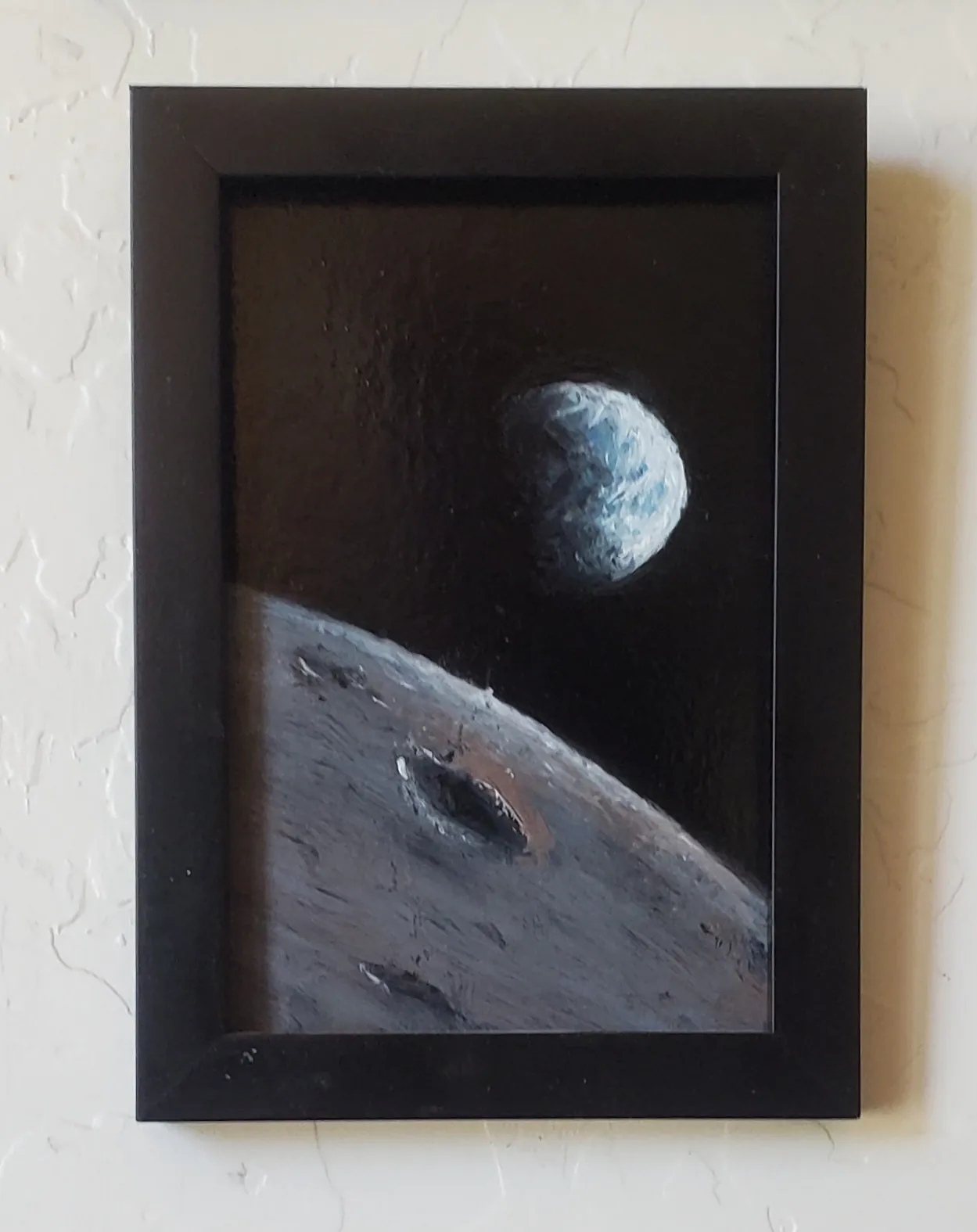
Ask for outside help when the price is substantial, the artist's name drives much of the value, the work has an uncertain history, or the seller's account does not hold together. An accredited appraiser can help with value and documentation. A specialist in the artist or period may be able to assess attribution. A conservator can examine materials and condition. These roles overlap at times, but they are not interchangeable, so be clear about the question you need answered.
Do not expect an appraiser to authenticate every work, or an auction listing to provide a permanent guarantee. Ask what the opinion covers, what evidence was reviewed, and what remains uncertain. If you are buying through an auction or dealer, read the terms of sale and condition report before bidding or paying. A return policy can matter just as much as a convincing first impression when you are still learning.
For higher-value purchases, it can also be sensible to ask whether the work has been checked against databases of reported loss or theft. The Art Loss Register provides due-diligence services for the art market. That kind of check is not a substitute for sound documentation, but it is one more practical safeguard when the stakes are high.
A short checklist before you buy
A trustworthy purchase should leave you with more clarity than doubt. Before you commit, return to the basics. You are not trying to prove everything from a single image. You are looking for a consistent story between the object, the seller, and the paperwork.
- Confirm whether the listing says original painting, print, edition, or reproduction.
- Read the artist name, title, medium, dimensions, price, and condition carefully.
- Ask for close images and, when relevant, the back and edges of the work.
- Keep the receipt, listing, correspondence, and any certificate together.
- Compare an attributed work with reliable examples before paying for the artist's name.
- For a significant purchase, seek the right independent opinion before the return window closes.
That process protects the practical side of collecting, but it also makes the experience more enjoyable. When you know what you are buying and why it belongs in your home, you can spend less time second-guessing the decision and more time living with the work.
A close look
Original work, described clearly.
Fred3 Mini Art offers original miniature paintings by Fred Wilson, with clear images, materials, dimensions, and direct purchase details. Explore the available work, read Fred's artist story, or contact Fred before choosing a piece for your home.
Browse available workQuestions
Original painting FAQ
Can you tell whether a painting is original from a photo?
A clear photo can help you spot clues, such as visible paint texture, paper edges, or a consistent signature, but it cannot prove authenticity on its own. Ask for additional images, the work's details, and its history before treating an online listing as settled.
Does a signature prove that a painting is original?
No. A signature is one useful detail, but it is not proof by itself. Consider it alongside the materials, the seller's information, the artwork's history, and, for a significant purchase, an expert opinion.
Is a certificate of authenticity enough?
A certificate is most useful when it comes directly from the artist, the artist's estate, or a well-established seller and matches the work's title, medium, dimensions, and date. Keep it with the sales receipt and any correspondence, but do not rely on a generic certificate alone.
What should I ask before buying an original painting online?
Ask for the exact dimensions, medium, condition, close photographs of the front and back, information about framing, the seller's return terms, and the work's history. A direct purchase from the artist should also include clear confirmation that the piece is original.
Keep reading
Related posts
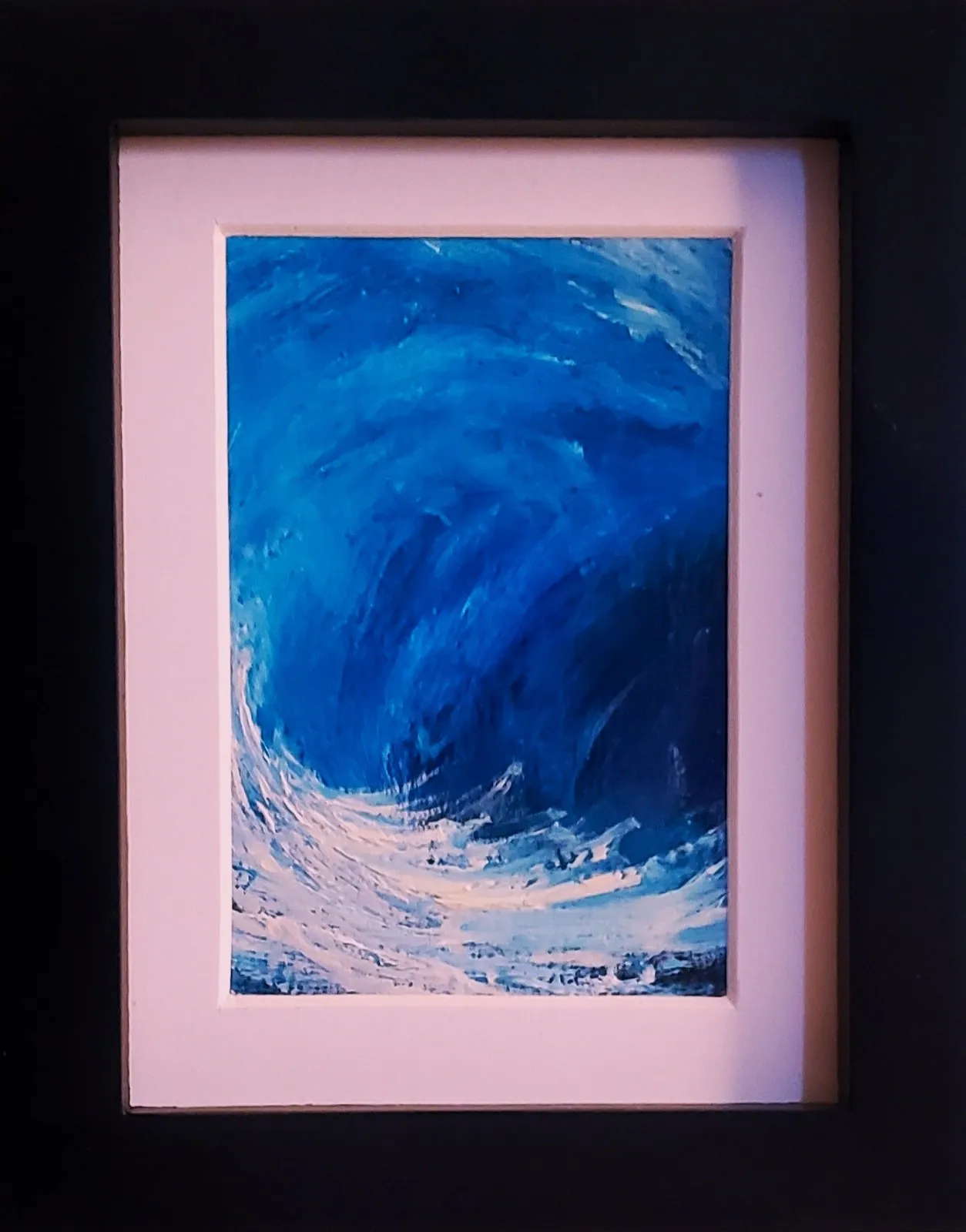
Art Collecting
How to Buy Art for the First Time: A Simple Guide
How to buy art for the first time, with practical steps for choosing a painting, checking size and condition, and confirming delivery.
Read the guide ↗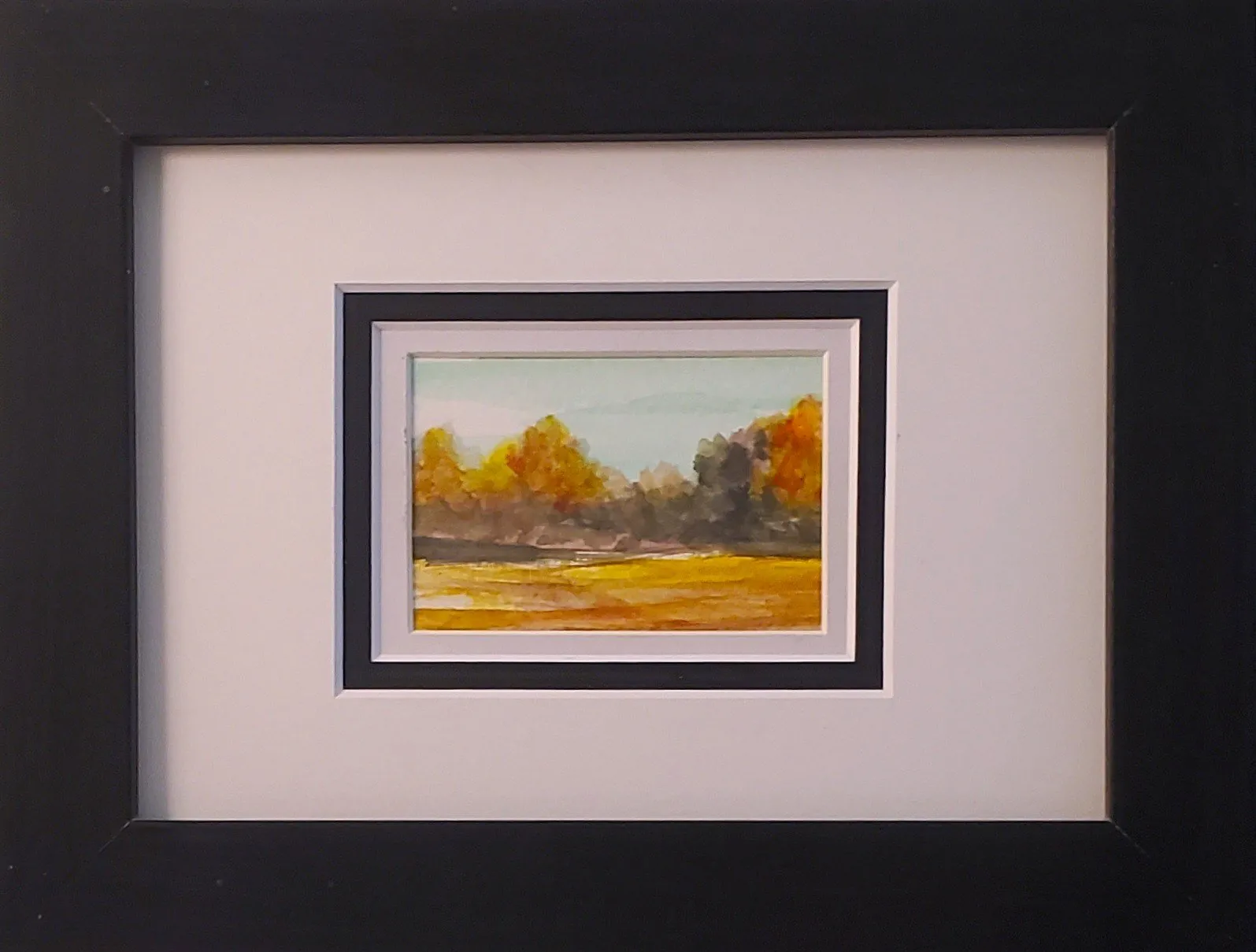
Art Collecting
How to Care for Watercolor Paintings at Home
How to care for watercolor paintings at home, with practical advice on light, framing, cleaning, handling, and safe storage.
Read the guide ↗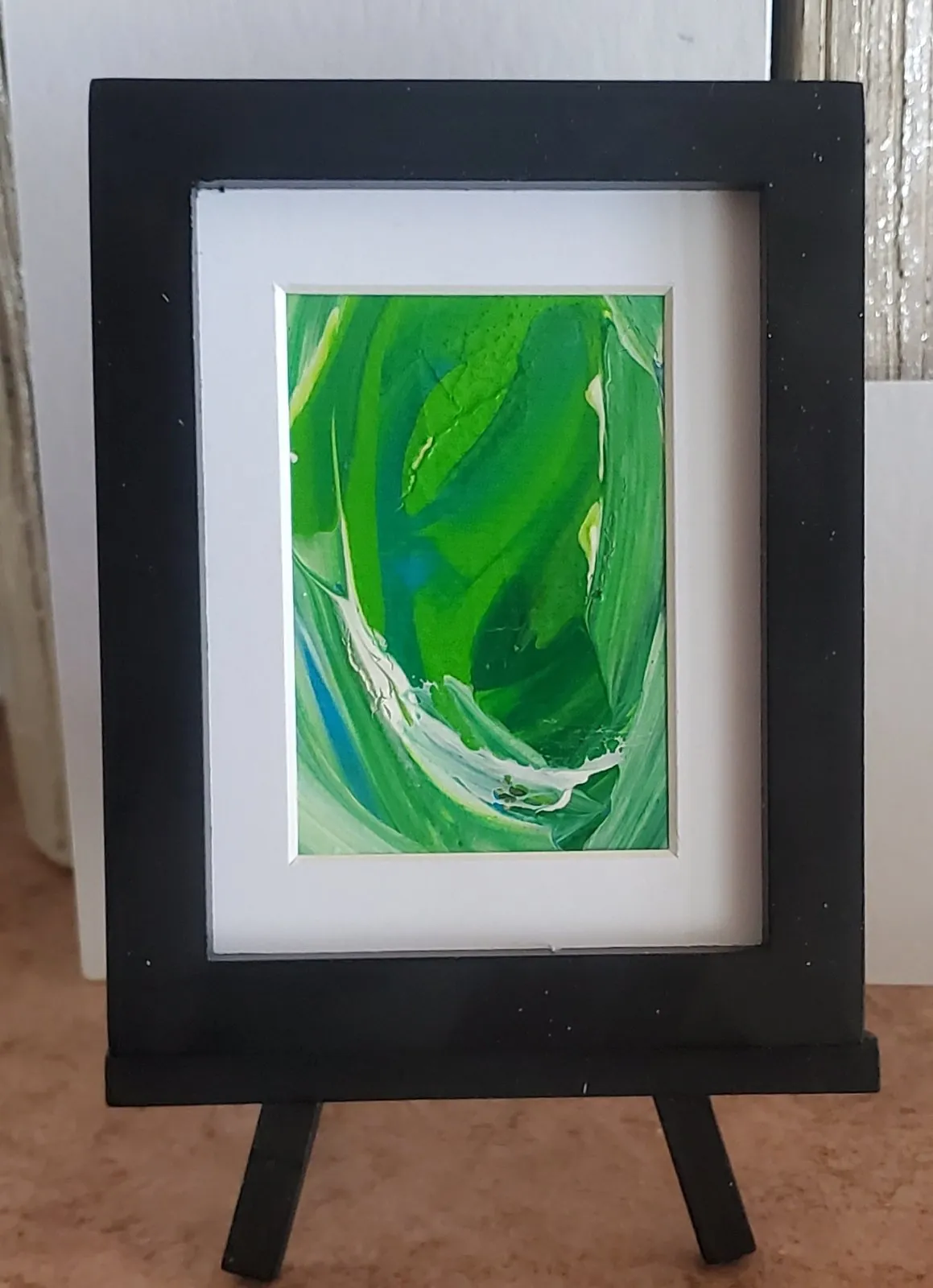
Art Collecting
How to Display Small Paintings: 7 Ideas That Work
Seven practical ways to place small paintings with confidence, from a single close-up moment to a more collected grouping.
Read the guide ↗